The Civil Constitution of the Clergy, passed…
December 1790 CE
This had established an election system for parish priests and bishops and set a pay rate for the clergy.
Many Catholics object to the election system because it effectively denies the authority of the Pope in Rome over the French Church.
In October a group of thirty bishops had written a declaration saying they could not accept that law, and this protest had fueled also civilian opposition against that law.
Eventually, in November 1790, the National Assembly began to require an oath of loyalty to the Civil Constitution from all the members of the clergy.
This led to a schism between those clergy who swear the required oath and accept the new arrangement and those who remain loyal to the Pope.
Priests swearing the oath are indicated as 'constitutional', those not taking the oath as 'non-juring' or 'refractory' clergy.
Overall, twenty-four percent of the clergy nationwide takes the oath.
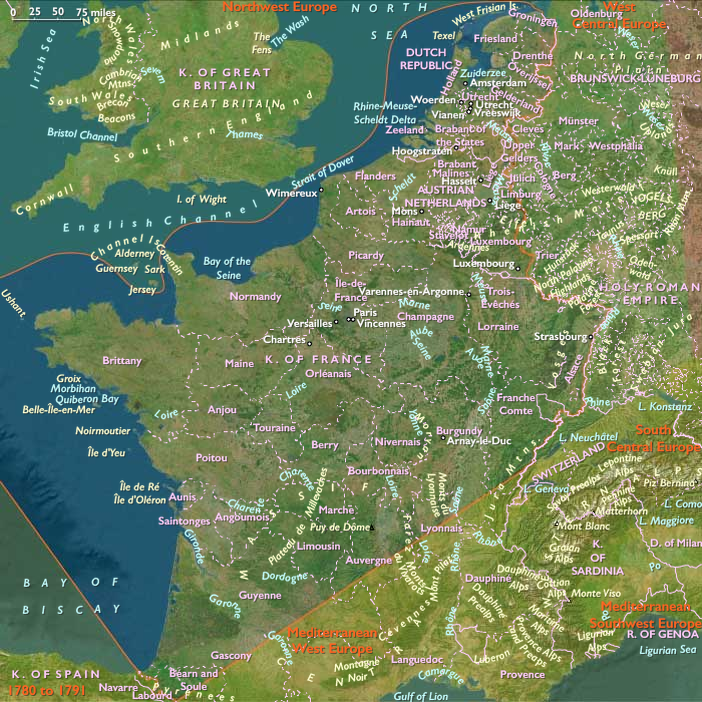
This decree stiffens the resistance against the state’s interference with the church, especially in the west of France like in Normandy, Brittany and the Vendée, where only few priests take the oath and the civilian population turns against the revolution.
Widespread refusal leads to legislation against the clergy, "forcing them into exile, deporting them forcibly, or executing them as traitors".
Pope Pius VI will never accept the Civil Constitution of the Clergy, further isolating the Church in France.
Locations
People
Topics
Regions