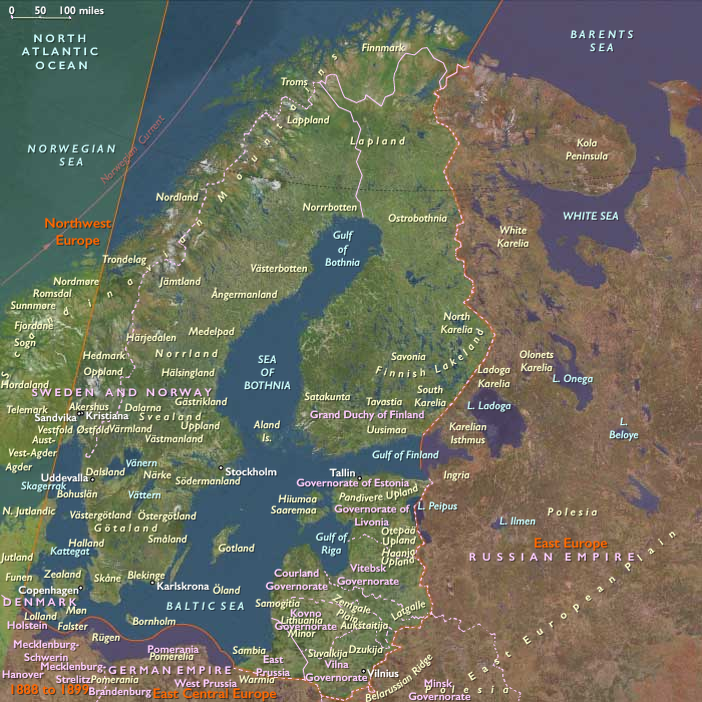
The ultimate consequence of Finland's increased agricultural…
1888 CE to 1899 CE
Some of this surplus rural population is absorbed by the growing urban factory centers, but the rest of these people are forced to stay on the land.
Because the amount of arable land in Finland is limited, about two-thirds or more of the agricultural population is relegated to the status of tenant farmers and landless agricultural laborers.
These people's lives are precarious because of their large numbers and their dependence on the vagaries of the harvests.
The tsarist government does little on their behalf, and the Diet, whichiss dominated by middle-class interests, shows no great concern for them.
As a result, from about 1870 to 1920, approximately 380,000 people leave Finland, more than ninety percent of them for the United States.
Of those remaining in Finland, many are initially attracted by the SDP, until its pronounced atheistic outlook and its aim of nationalizing land alienates them.
A program of land reform, begun after independence, will eventually integrate these agricultural laborers into the Finnish economy.
Groups
Commodities
Subjects
Regions
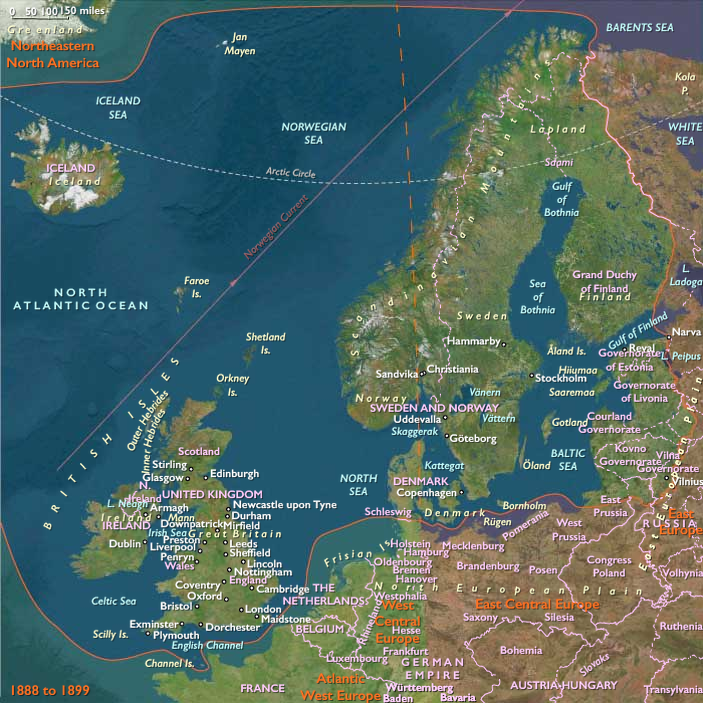
North Europe
View →Subregions