The Crisis of the Roman Republic (c.…
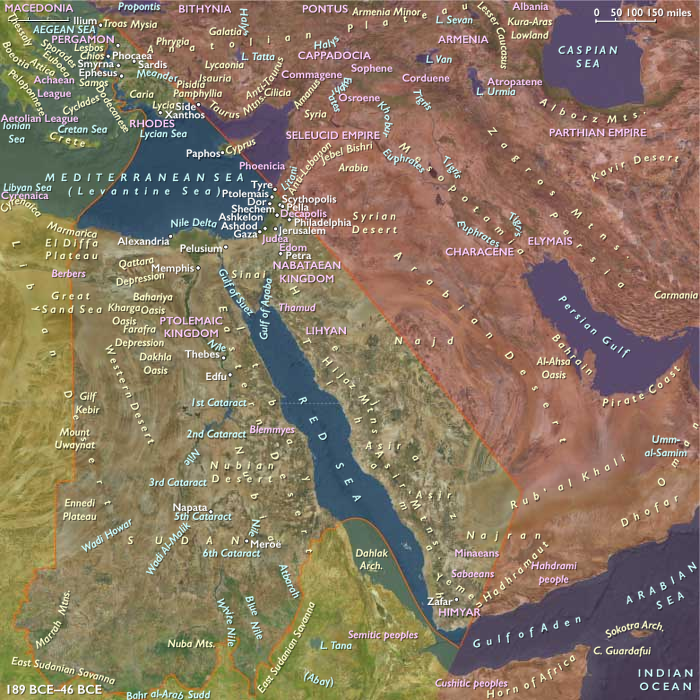
189 BCE to 46 BCE
The Crisis of the Roman Republic (c. 134–44 BCE): A Period of Political Upheaval
The Crisis of the Roman Republic was a prolonged period of political instability and social unrest, beginning around 134 BCE and culminating in 44 BCE with the fall of the Republic and the rise of the Roman Empire. While its exact timeline and causes remain debated, the crisis was shaped by structural changes in Roman society, military reforms, and escalating internal conflicts.
Key Factors of the Crisis
-
The Expansion and Impact of Slavery
- The influx of captured slaves from Rome’s conquests disrupted free labor markets, leading to economic disparity and land concentration in the hands of wealthy elites.
- The reliance on slave labor contributed to the decline of small farmers, increasing urban unemployment and social tension.
-
The Rise of Brigandage
- Dispossessed farmers and former soldiers, unable to find work, often turned to banditry (brigandage), further destabilizing rural regions.
- Large landowners and senators controlled vast estates (latifundia), while landless citizens were left without means of support.
-
Internal and External Wars
- The Numantine War (143–133 BCE) and the Jugurthine War (112–105 BCE) drained Rome’s resources and exposed military inefficiencies and corruption.
- The Social War (91–88 BCE), fought between Rome and its Italian allies, was triggered by disputes over citizenship rights and political representation.
-
Land Reform Struggles
- The Gracchi brothers (Tiberius and Gaius Gracchus) attempted to implement agrarian reforms to distribute land more equitably, but both were assassinated, highlighting the Republic’s resistance to reform.
- Later leaders, including Marius, Sulla, and Caesar, used land distribution as a political tool to gain support among soldiers and the lower classes.
-
The Invention of Brutal New Punishments
- Political violence became normalized, with mass proscriptions, assassinations, and public executionsused to eliminate rivals.
- The rise of dictatorial powers, especially under Sulla (82–79 BCE), established precedents for autocratic rule.
-
The Expansion of Roman Citizenship
- Rome’s Italian allies demanded equal political rights, culminating in the Social War.
- While citizenship expansion strengthened Rome’s manpower, it also fueled political conflicts and identity struggles within the Republic.
-
Changes in the Roman Army
- The Marian Reforms (107 BCE) transformed the Roman military by recruiting landless citizens, making soldiers more loyal to their generals than to the state.
- This shift weakened Senate control, leading to military-backed political factions and civil wars.
Scholarly Debates on the Crisis
Historians continue to debate the nature and consequences of the crisis, focusing on issues such as citizenship, class conflict, and governance.
-
Traditional Interpretations (e.g., Sallust, Edward Gibbon)
- Viewed citizenship expansion as a destabilizing force, leading to internal conflicts, slave revolts, and civil unrest.
- Emphasized the decline of Roman virtue, attributing the Republic’s fall to moral decay and corruption.
-
Modern Perspectives
- Argue that the Republic was, by definition, a res publica—a state of the people, meant to serve its citizens.
- View the demands of disenfranchised and impoverished Romans as legitimate struggles for political inclusion and economic justice.
- See the crisis as a failure of the Roman elite to adapt to a changing society, rather than an inevitable decline.
Conclusion: The End of the Republic
By 44 BCE, the Republic had become politically unstable, with powerful generals like Julius Caesar, Pompey, and Octavian leveraging military support to override senatorial authority. The assassination of Caesar marked the final stage of the crisis, setting the stage for the rise of the Roman Empire under Augustus (Octavian).
The Crisis of the Roman Republic remains one of history’s most studied examples of political transformation, illustrating how economic inequality, military shifts, and governance failures can contribute to the collapse of a republican system.