
The Roman Age Optimum: A Climatic Phase…
189 BCE to 46 BCE
The Roman Age Optimum: A Climatic Phase of Warmth and Stability (c. 150 BCE – 400 CE)
The Roman Age Optimum was a period of climatic warming in Europe and Western Asia, beginning around 150 BCE and continuing through the height of the Roman Empire, roughly aligning with the expansion and dominance of Rome in the Mediterranean world. This warm and stable climate played a crucial role in agriculture, economy, and military expansion, influencing both the rise and eventual decline of the Western Roman Empire.
Characteristics of the Roman Age Optimum
- Mild Winters and Warm Summers – The period was marked by higher average temperatures, particularly in the Mediterranean and temperate Europe.
- Increased Agricultural Productivity – The stable climate allowed for longer growing seasons, supporting wheat, olives, and viticulture across Roman territories.
- Expansion of Settlements – Favorable conditions enabled the growth of cities, trade routes, and frontier expansions into northern Europe.
- Stable Hydrological Conditions – More predictable rainfall patterns and reliable river flows facilitated irrigation, grain trade, and urban water supply systems.
Impact on the Roman Empire
-
Agricultural and Economic Expansion
- Warm, stable conditions boosted agricultural yields, helping feed Rome’s growing population and supplying its legions and trade networks.
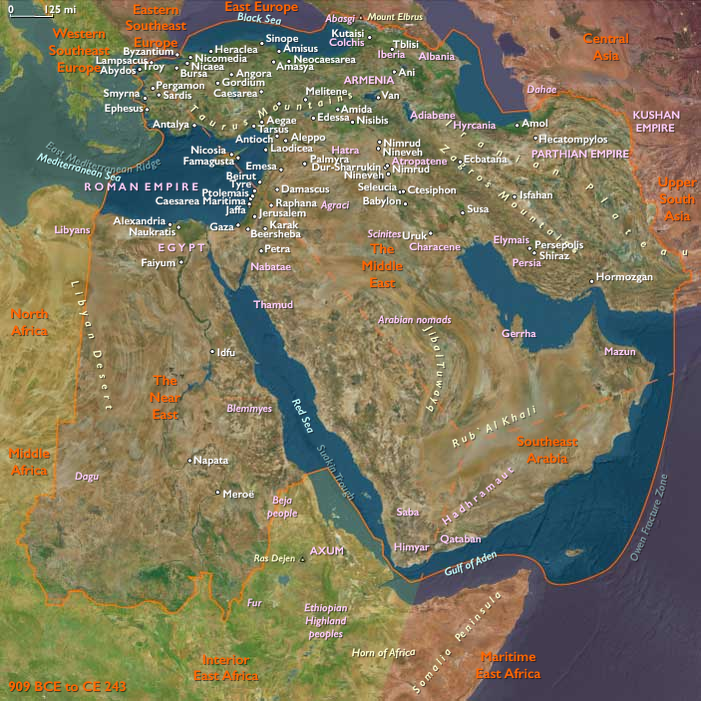
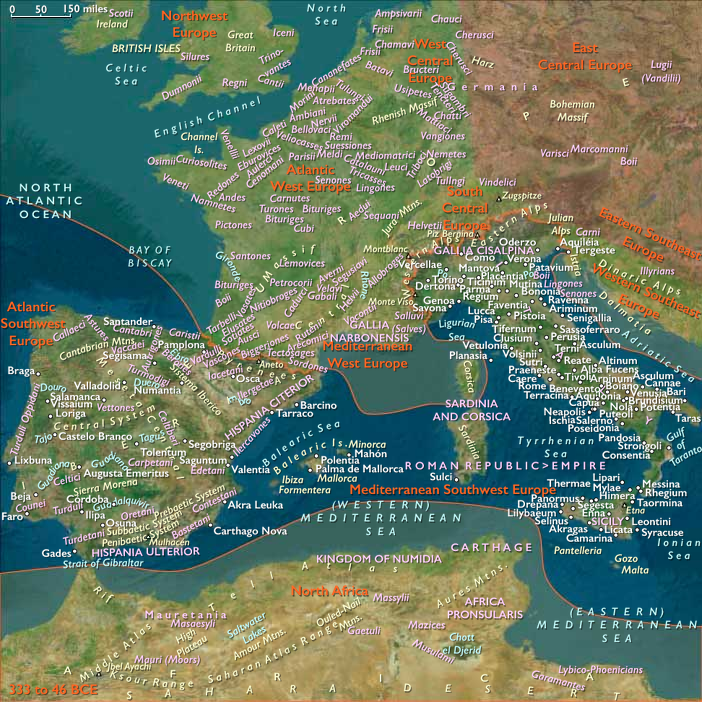
- The annexation of North Africa, Gaul, and the Danube regions brought fertile lands under Roman control, reinforcing economic prosperity.
- Vineyards and olive groves flourished, contributing to the Roman economy and culture.
-
Military and Political Strength
- The warm climate allowed for easier military campaigns in northern Europe, including conquests in Gaul, Britain, and Germania.
- Stable food supplies supported Rome’s vast army, enabling long-term occupation of distant provinces.
-
Urbanization and Infrastructure Growth
- The construction of aqueducts, roads, and trade hubs thrived due to stable conditions.
- Expanding settlements in Britain, Gaul, and the Balkans were possible thanks to milder winters and extended farming viability.
Transition Toward Climatic Deterioration
- By 250–400 CE, climatic patterns began to shift, leading toward the Late Antique Little Ice Age (c. 400–700 CE).
- More erratic weather patterns, prolonged droughts, and colder winters contributed to agricultural crises and population pressures.
- The resulting food shortages, economic decline, and migrations coincided with the weakening of Rome’s frontiers and the fall of the Western Roman Empire (476 CE).
Conclusion: The Climate-Rome Connection
The Roman Age Optimum provided a favorable climate for the growth and success of the Roman Empire, reinforcing agricultural stability, military expansion, and urbanization. However, as climate conditions worsened toward the end of the empire, Rome faced increasing difficulties in maintaining its territories, illustrating the long-term influence of climate on civilization.
Groups
Topics
Subjects
Regions


Subregions
East Europe
View →
Northeast Europe
View →
East Central Europe
View →
Eastern Southeast Europe
View →
Middle East
View →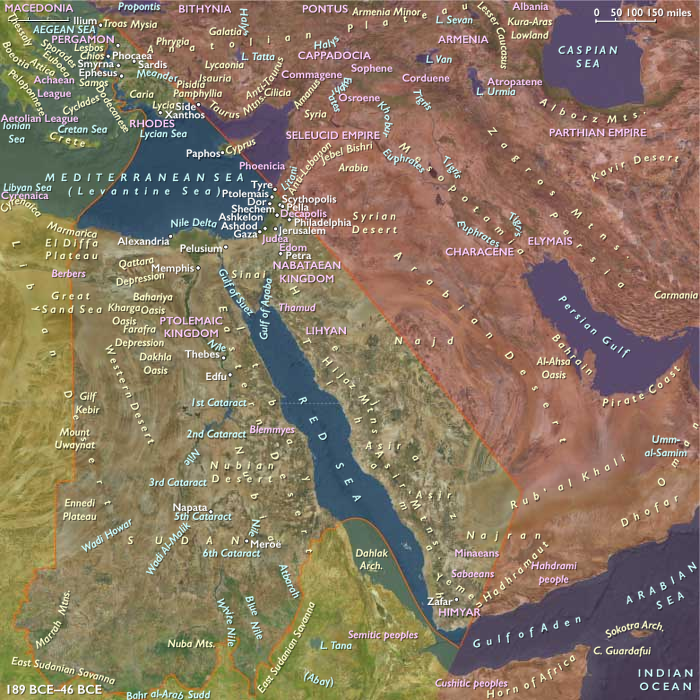
Near East
View →
Western Southeast Europe
View →
South Central Europe
View →
Mediterranean West Europe
View →
Mediterranean Southwest Europe
View →
Atlantic Southwest Europe
View →
Atlantic West Europe
View →
West Central Europe
View →