The Formation of Europe's Great Powers in…
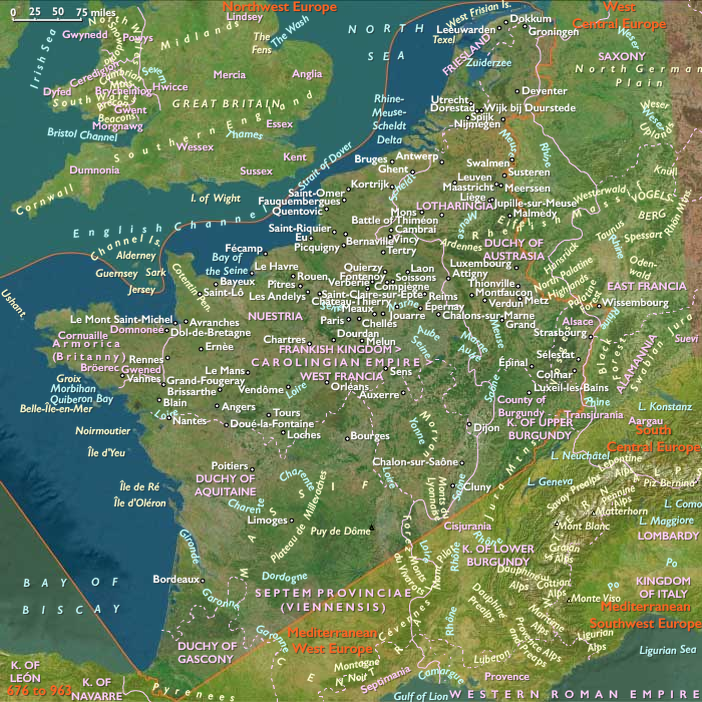
820 CE to 831 CE
The Formation of Europe's Great Powers in the Early Medieval Era
The early medieval period (c. 800–1000 CE) lays the foundation for several of Europe’s future Great Powers, many of which will dominate the political, economic, and military landscape of the next millennium. During this time, states emerge, consolidate their power, and establish institutions, military traditions, and ruling dynasties that will define their later prominence.
Key Emerging Powers
- Sweden & Denmark → The Scandinavian kingdoms begin to centralize during the Viking Age (8th–11th centuries). Initially raiders and traders, the Danes and Swedes consolidate into hereditary monarchies, laying the groundwork for their later roles as major European naval powers.
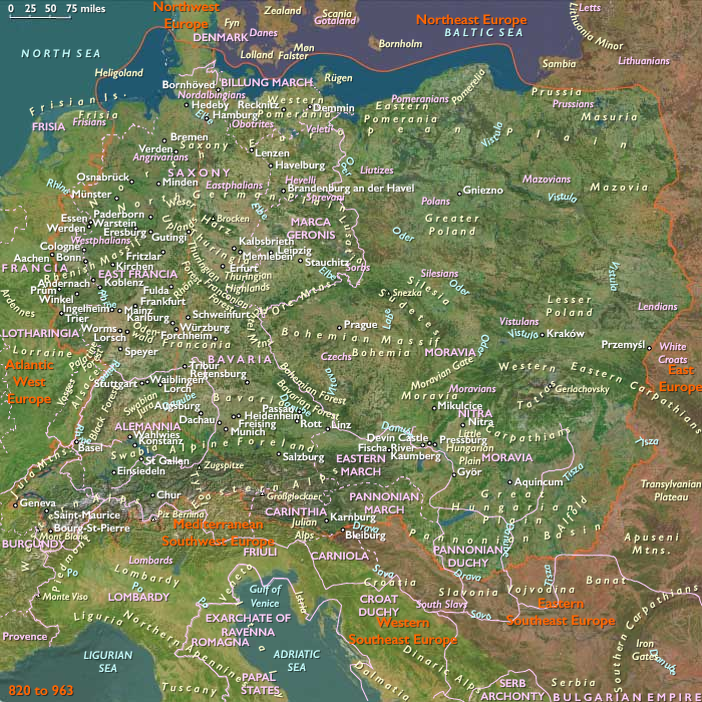
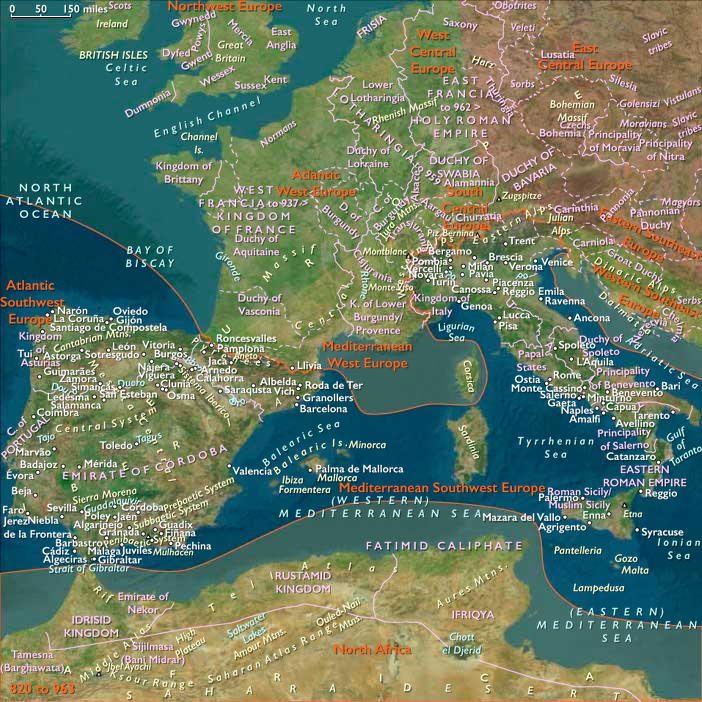
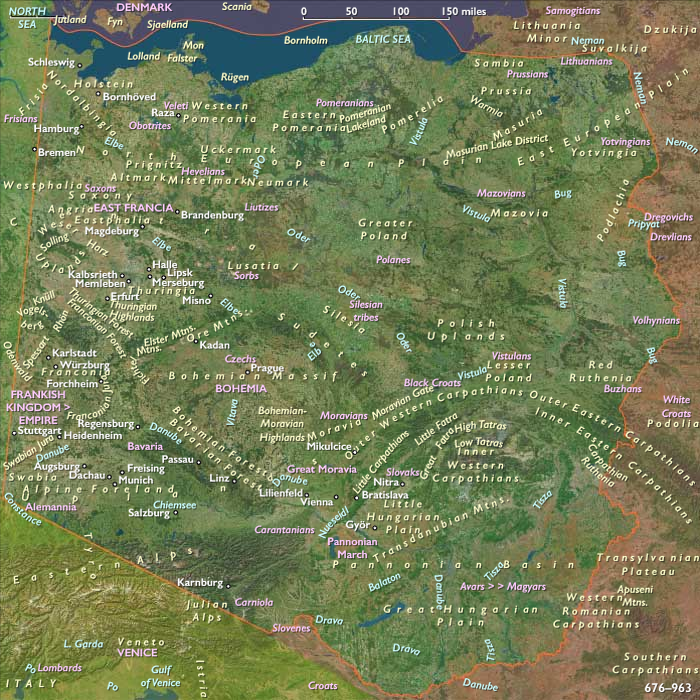
- Germany → Following the collapse of the Carolingian Empire, East Francia evolves into the Kingdom of Germany (10th century). Under Otto I, it becomes the Holy Roman Empire in 962, a political entity that will dominate Central Europe for centuries.
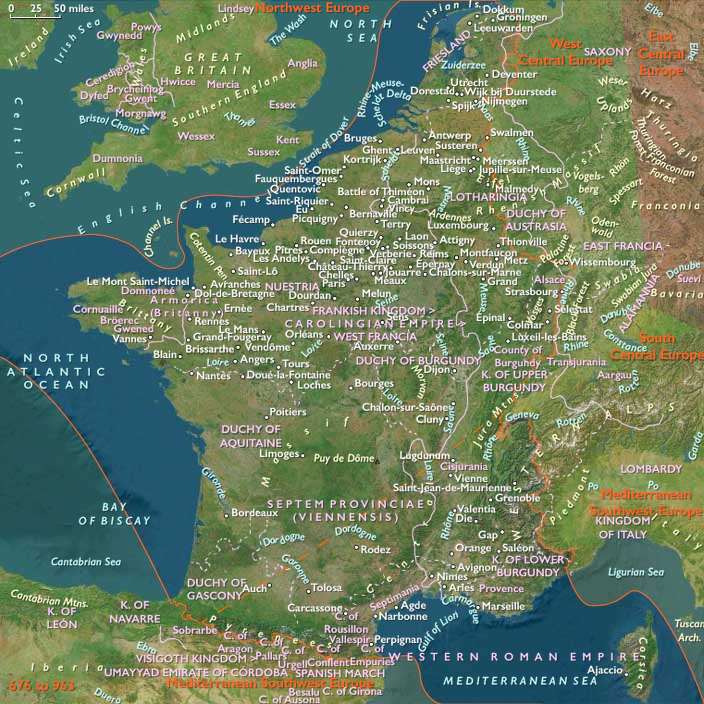
- France → West Francia, the western portion of Charlemagne’s empire, gradually coalesces into medieval France, with Hugh Capet’s coronation in 987 marking the birth of the Capetian dynasty, which will expand royal authority over time.
- England → The Anglo-Saxon kingdoms unify under Æthelstan (924–939), forming the Kingdom of England. Following the Norman Conquest in 1066, England emerges as a powerful feudal state.
- Spain → The Christian kingdoms of northern Iberia, such as Asturias, León, and Navarre, begin the Reconquista, reclaiming territory from Muslim Al-Andalus and laying the foundation for Castile and Aragon, which will later unify Spain.
- Venice → Originally a Byzantine outpost, Venice gains de facto independence in the 9th century and establishes itself as a maritime republic, playing a crucial role in Mediterranean trade, particularly with the Byzantine and Islamic worlds.
A New Political Landscape
By the 11th century, these emerging powers have evolved into distinct medieval states, setting the stage for future conflicts, alliances, and territorial expansion. While many of them originate from Carolingian or Viking foundations, they develop unique political systems, economic strengths, and military traditions that shape medieval and early modern Europe.