The Extreme Weather Events of 535–536 CE:…
532 CE to 543 CE
The Extreme Weather Events of 535–536 CE: The Worst Short-Term Climate Crisis in 2,000 Years
The year 536 CE is marked by widespread reports of unusual cold and darkness in multiple parts of the world, making it one of the most severe and protracted short-term climate disruptions in recorded history. These extreme weather events last from 535 to 536 CE, with another major climatic downturn in 540 CE, causing global cooling, crop failures, and famine.
1. The Possible Causes: Volcanic Eruption or Extraterrestrial Impact?
Scientists and historians attribute the climatic catastrophe to one or more of the following:
-
Massive Volcanic Eruption
- Ice core samples from Greenland and Antarctica show substantial sulfate deposits around 533–534 CE ± 2 years, indicating a major volcanic eruption.
- A tropical eruption, possibly in Central America, Indonesia, or Iceland, could have injected dust and sulfur dioxide into the stratosphere, reducing sunlight and cooling the Earth.
-
Comet Impact or Atmospheric Dust from Space
- Some researchers argue that a comet or asteroid impact may have thrown dust into the atmosphere, creating a global dust veil.
- Tree ring data suggests another sharp drop in growth around 540 CE, which some attribute to an additional extraterrestrial event.
2. Widespread Effects: Cold, Darkness, and Famine
-
Temperature Drops and Crop Failures
- Studies suggest that summer temperatures in 536 CE fell by 1.5–2.5°C (2.7–4.5°F) in Europe and Asia, leading to poor harvests and food shortages.
- In China, records from the Nan Shi (Southern Histories) describe yellow dust falling like snow and widespread crop failures.
- In Ireland, tree ring analysis by dendrochronologist Mike Baillie shows abnormally low growth in Irish oak, reflecting harsh environmental conditions.
-
Eyewitness Accounts of the "Dark Sun"
- The Byzantine historian Procopius, writing in his Wars of Justinian, describes the phenomenon in 536 CE:
“…during this year a most dread portent took place. For the sun gave forth its light without brightness… and it seemed exceedingly like the sun in eclipse, for the beams it shed were not clear."
- The Roman senator Cassiodorus also records dim sunlight and severe winter conditions in Italy.
- In China, historical records speak of "yellow dust" in the air and summer frost, indicating major atmospheric disruptions.
- The Byzantine historian Procopius, writing in his Wars of Justinian, describes the phenomenon in 536 CE:
-
Mass Famine and Societal Impact
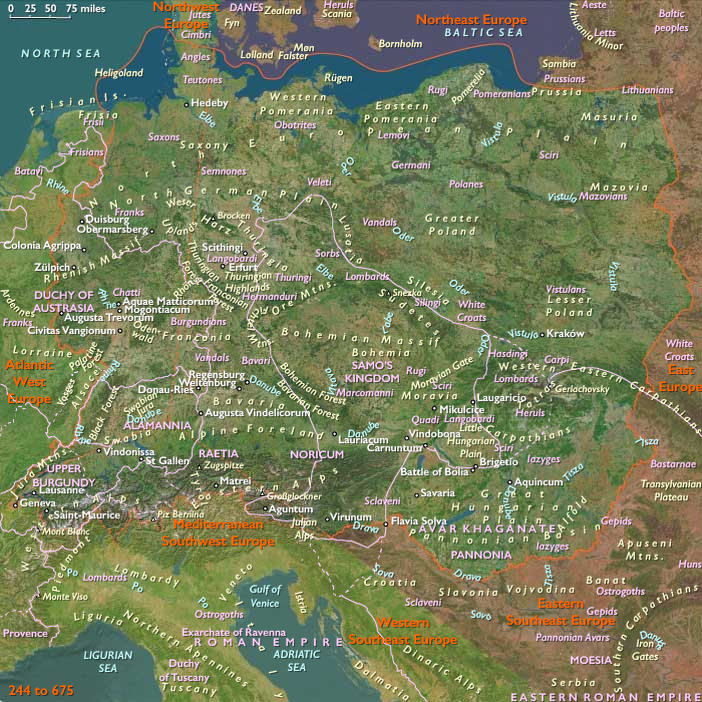
- In Scandinavia, archaeological evidence suggests that famine and population decline led to the abandonment of farms.
- Some researchers speculate that this period contributed to the migration of Norse populations and the later rise of Viking expansion.
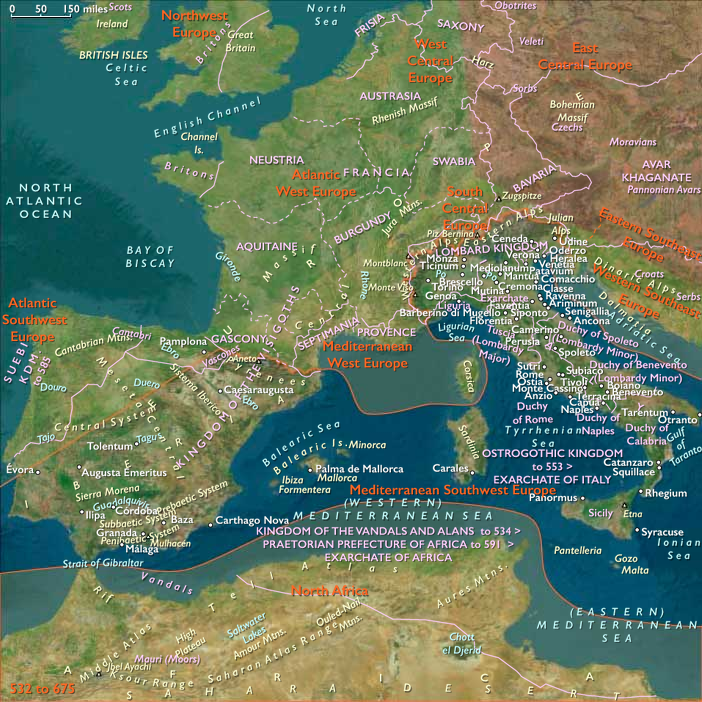
- In Byzantium, the combination of crop failures, economic strain, and later plague outbreakscontributes to political instability.
3. The 540 CE Cooling and the Plague of Justinian (541–542 CE)
- The second major cooling event in 540 CE is possibly linked to:
- A second volcanic eruption or
- A comet impact, which some researchers suggest based on global tree ring data showing reduced growth.
- The climatic downturn weakens immune systems and populations, setting the stage for the Plague of Justinian (541–542 CE), one of the deadliest pandemics in history.
4. Long-Term Consequences
-
Collapse of Empires and Societal Transformations
- The extreme climate conditions accelerate the decline of major civilizations, including:
- The Eastern Roman (Byzantine) Empire, which struggles with famine, war, and plague.
- The Gupta Empire in India, which disintegrates in the face of environmental and social pressures.
- The Sasanian Empire, which faces increasing hardship before its eventual fall to the Arabs in the seventh century.
- The extreme climate conditions accelerate the decline of major civilizations, including:
-
Major Population Movements
- The harsh climate contributes to barbarian migrations in Europe, possibly influencing the expansion of Slavic tribes and early Germanic movements.
- Norse mythology and folklore, including Ragnarök legends, may have origins in memories of this catastrophic period.
Conclusion: A Global Crisis with Enduring Impact
The 535–536 CE climate catastrophe, followed by another downturn in 540 CE, is one of the most severe environmental crises in recorded history. It exacerbates political instability, contributes to famine and disease, and accelerates the transformations of the post-Roman world.
This period demonstrates how environmental disasters can reshape history, influencing societies, migrations, and political structures, ultimately shaping the course of medieval Europe and beyond.