The Introduction of the Kettledrum (Timpani) into…
1396 CE to 1407 CE
The Introduction of the Kettledrum (Timpani) into Europe
The kettledrum, or timpani, originated in the Middle East and was introduced into Europe during the late medieval and early Renaissance periods, primarily through military and cultural exchanges.
Origins in the Middle East
- The kettledrum has roots in ancient Mesopotamian, Persian, and Arabic music traditions.
- In the Islamic world, large kettledrums were used in military processions, religious ceremonies, and court music.
- The Turkish "nakkare" and Persian "naqqara" were among the most common predecessors of the European kettledrum.
Arrival in Europe
- The kettledrum reached Europe mainly through two routes:
- The Crusades (11th–13th centuries) – European knights encountered kettledrums in the Middle East and brought smaller versions back home.
- Moorish Spain and Ottoman Influence (15th–16th centuries) – Contact with Islamic Spain and the Ottoman Empire introduced larger kettledrums into European military and courtly traditions.
Development and Use in Europe
-
Military Use
- By the 15th century, kettledrums were adopted by European cavalry, often played alongside trumpets in royal and military ceremonies.
- The drums were mounted on horses, following a tradition seen in Ottoman and Persian armies.
-
Orchestral and Court Music
- By the 16th century, timpani began to be used in European court music, particularly in Germany and Italy.
- The instrument became a symbol of power and grandeur, often played at royal events and celebrations.
- Over time, orchestras incorporated kettledrums, laying the groundwork for their essential role in Baroque, Classical, and Romantic music.
Legacy of the Kettledrum in European Music
- By the 17th and 18th centuries, the timpani was a staple of orchestral compositions, with composers like Bach, Handel, and Mozart writing for it.
- Today, timpani remain integral to orchestras, military bands, and modern percussion ensembles, showcasing their long-standing influence on European music.
Thus, the introduction of kettledrums into Europe from the Middle East revolutionized Western percussion, shaping both military traditions and orchestral music for centuries.
Commodities
Subjects
Regions



Subregions
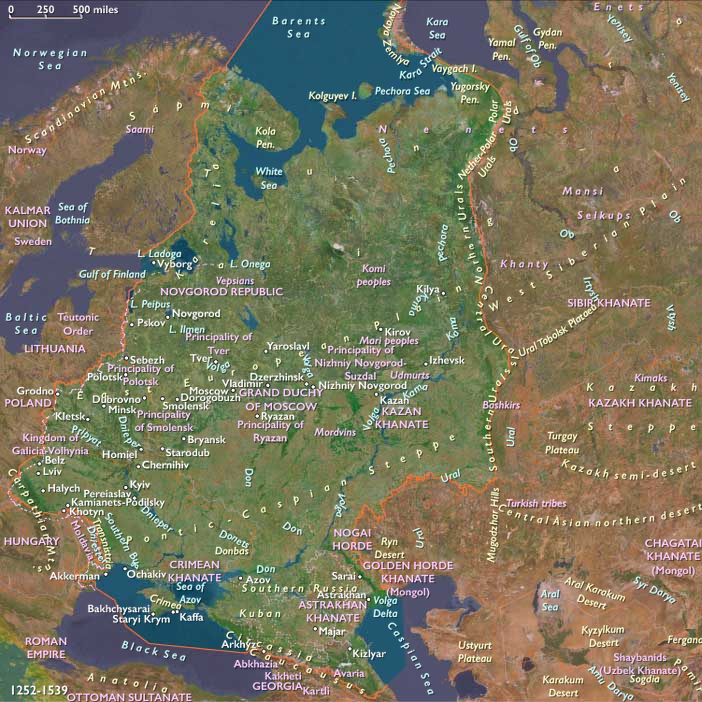
East Europe
View →
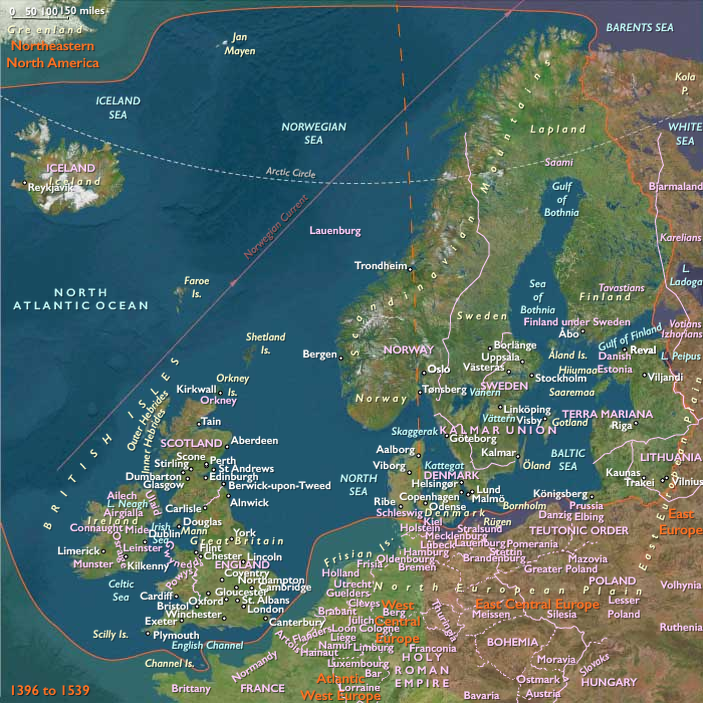
Northeast Europe
View →
East Central Europe
View →
Eastern Southeast Europe
View →
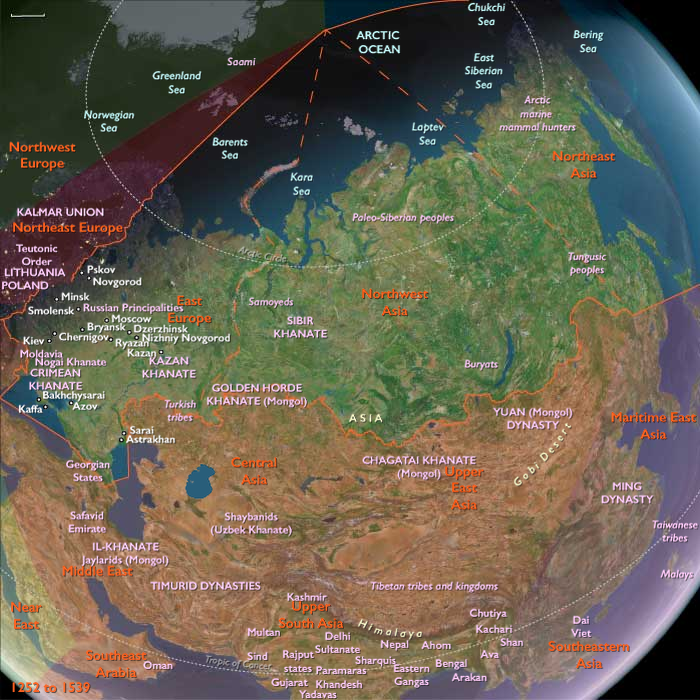
Middle East
View →
Near East
View →
South Central Europe
View →
Mediterranean West Europe
View →
Mediterranean Southwest Europe
View →
Atlantic Southwest Europe
View →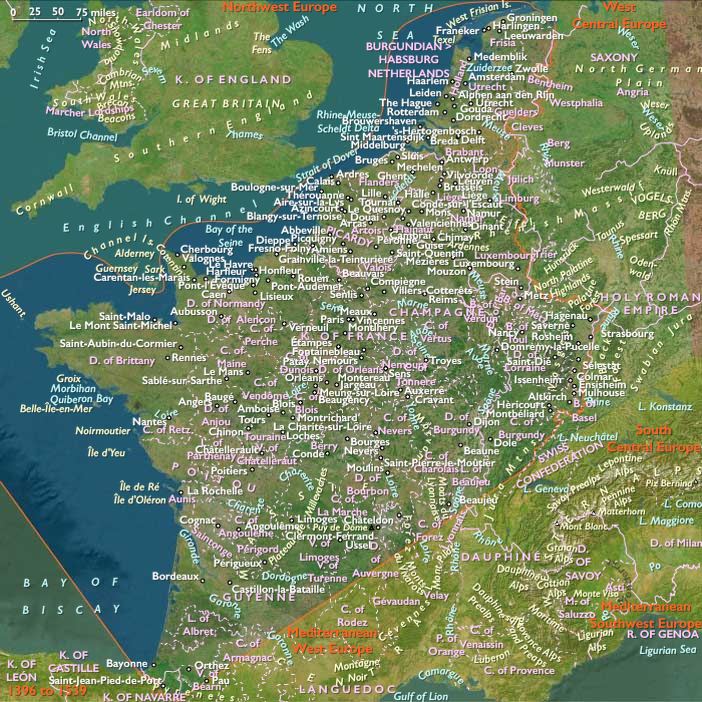
Atlantic West Europe
View →
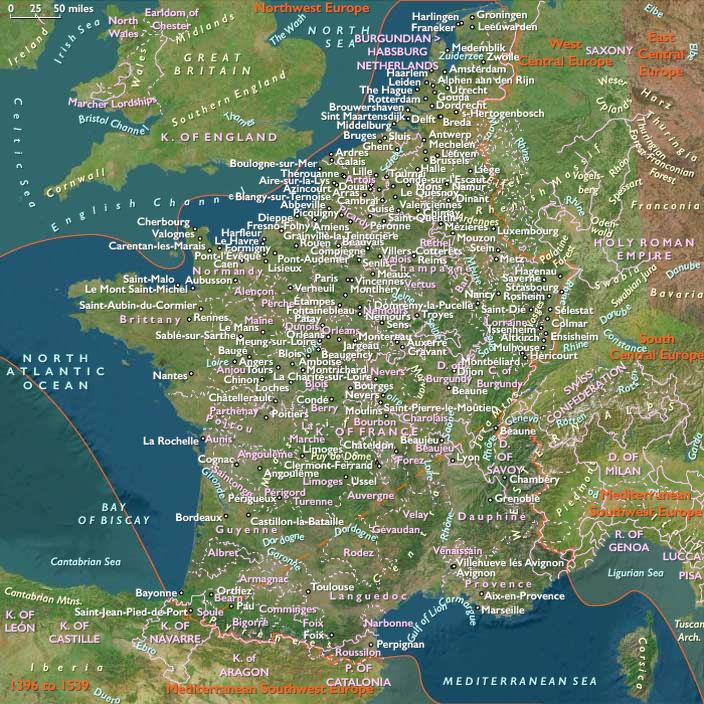
West Central Europe
View →