The change in Mongol cultural patterns that…
1396 CE to 1539 CE
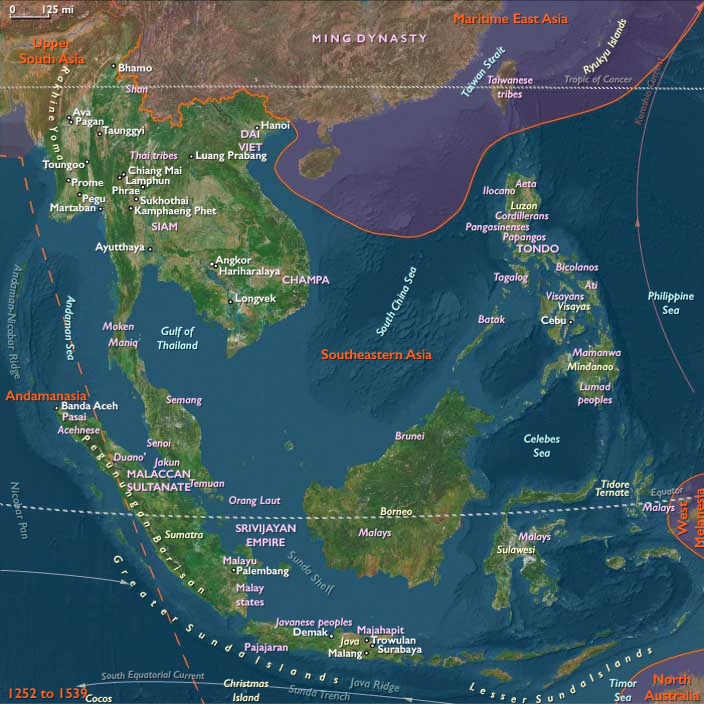
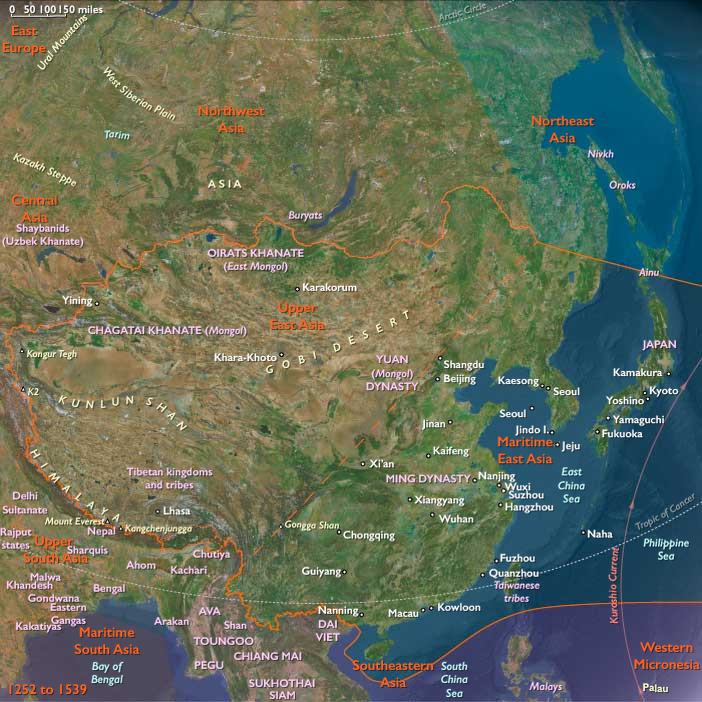
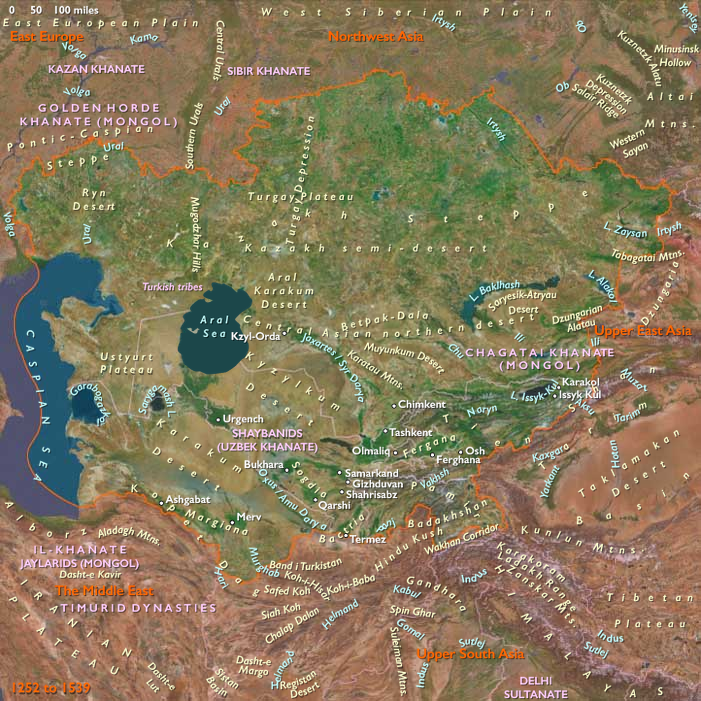
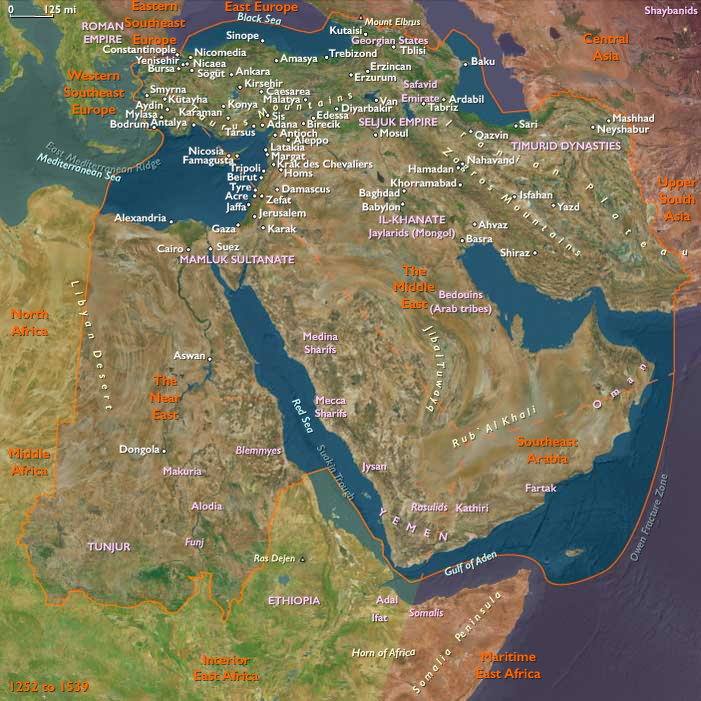
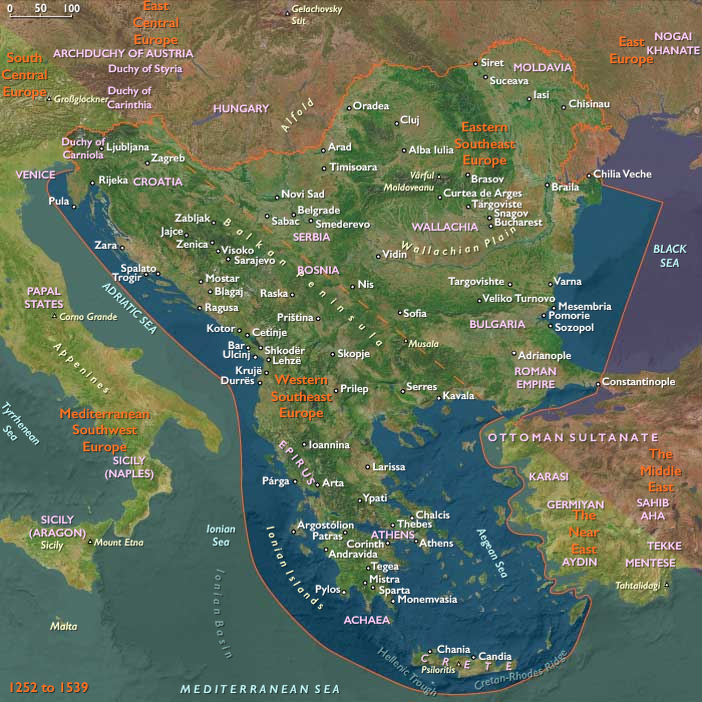
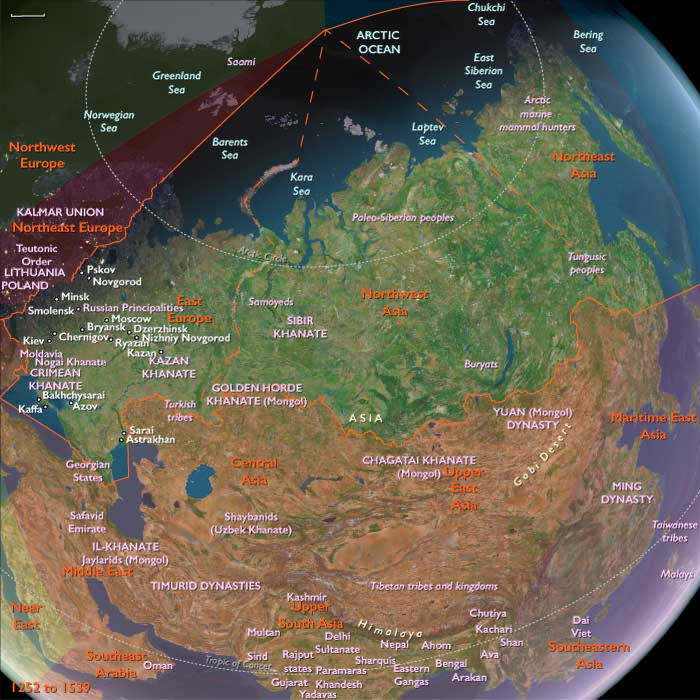
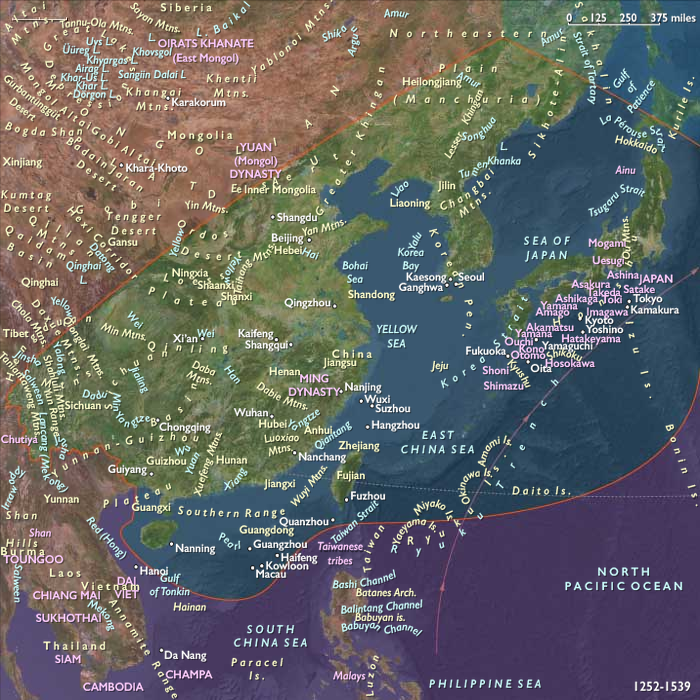
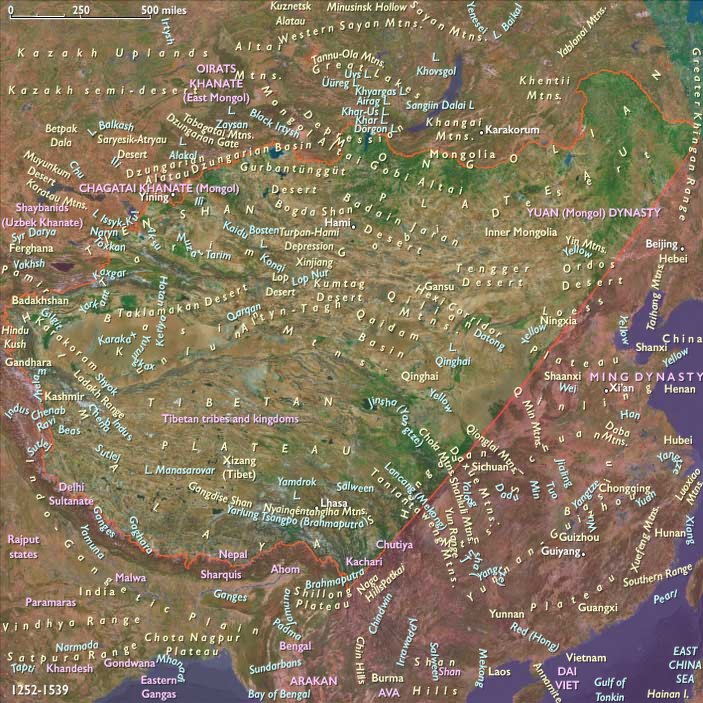
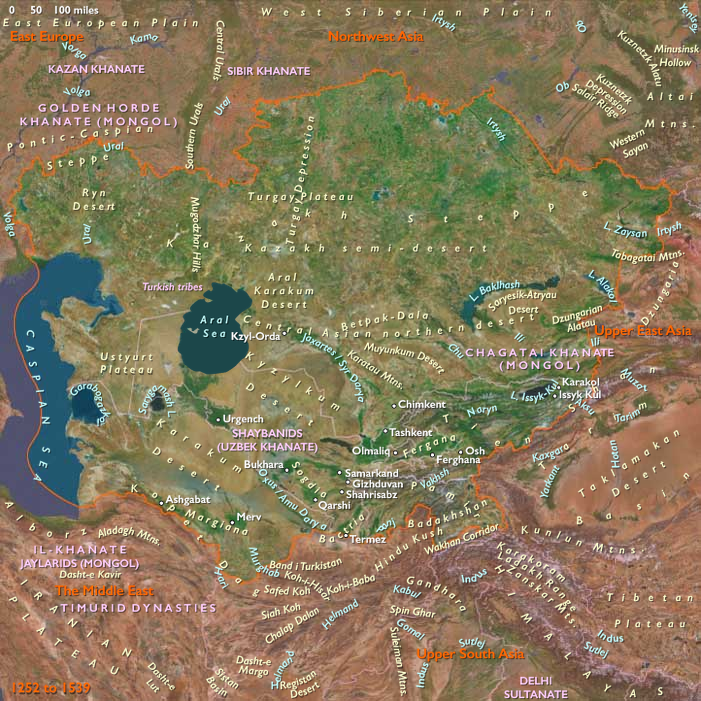
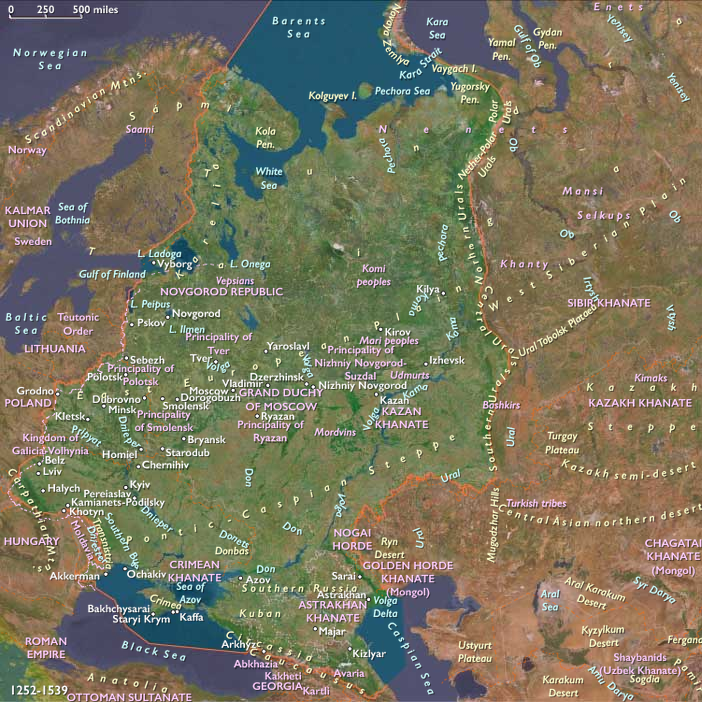
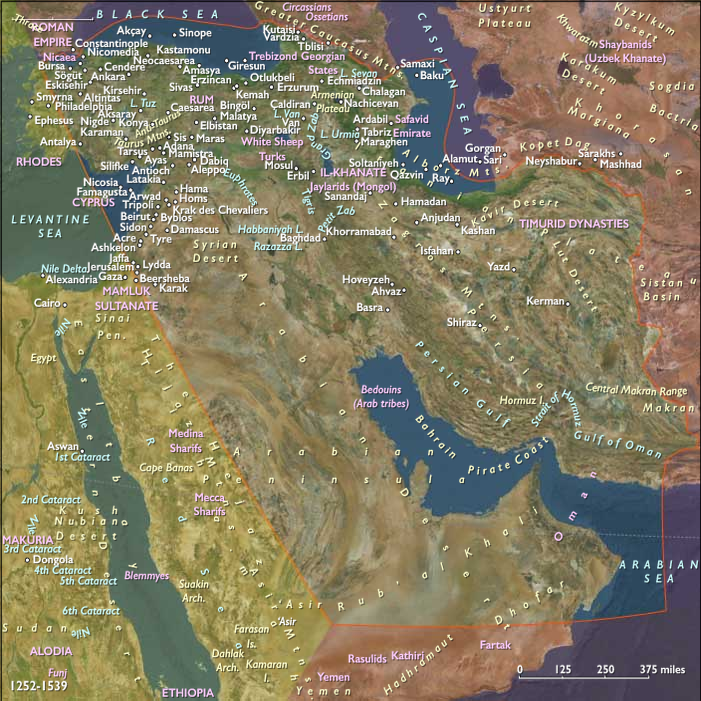
The change in Mongol cultural patterns that occurs inevitably exacerbates natural divisions in the Mongol Empire.
As different areas adopted different foreign religions, Mongol cohesiveness dissolves.
The nomadic Mongols have been able to conquer the Eurasian land mass through a combination of organizational ability, military skill, and fierce warlike prowess, but they fall prey to alien cultures, to the disparity between their way of life and the needs of empire, and to the size of their domain, which prove too large to hold together.
The Mongols decline when their sheer momentum can no longer sustain them.
Groups
Tatars
View →
Cuman people, or Western Kipchaks, also called Polovtsy, Polovtsians)
View →
Mongols
View →
Mongol Empire
View →
Russians (East Slavs)
View →
Moscow, Grand Principality of
View →
Northern Yuan dynasty
View →
Crimean Tatars
View →
Golden Horde, Khanate of the (Kipchak Khanate)
View →
Kazan, Khanate of
View →
Astrakhan Khanate
View →