
Under the terms established by …
Years: 1435 - 1435
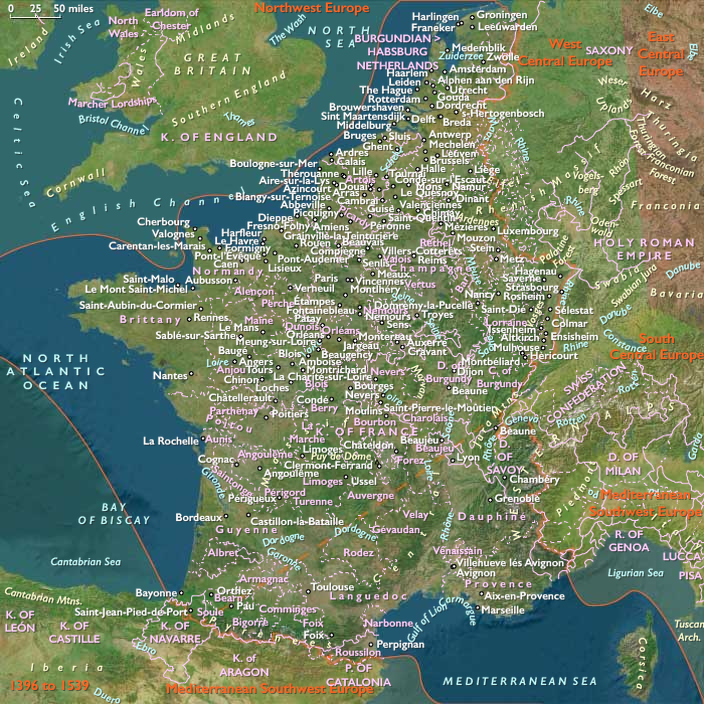
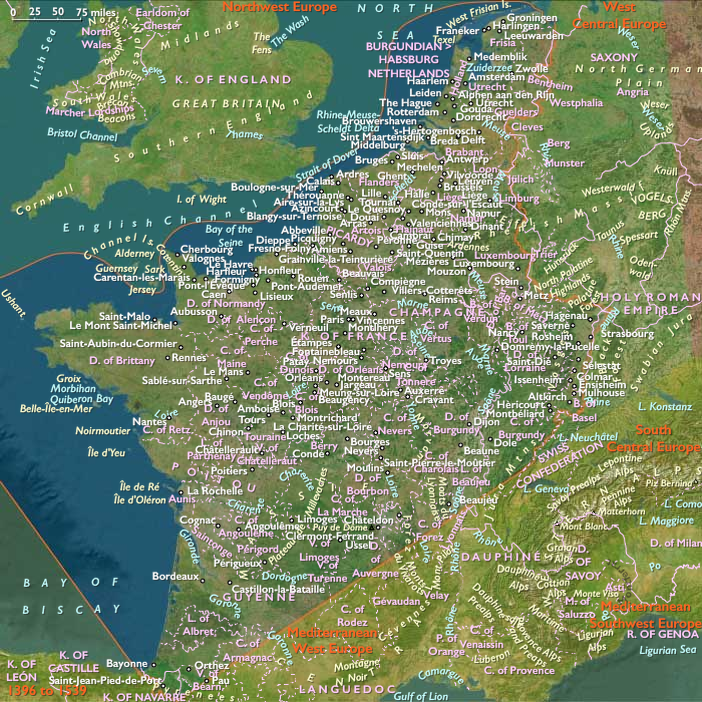
Under the terms established by the pivotal Treaty of Arras (September 1435), Philip formally recognized Charles VII as the legitimate king of France, abandoning the rival claim of England’s Henry VI. In return, Charles VII granted Philip significant concessions, notably exempting Burgundy from homage to the French crown and pledging justice for the murder of Philip’s father, John the Fearless.
The treaty profoundly reshaped the political landscape. The bitter divide between the Armagnac and Burgundian factions, which had dominated French internal politics for decades, effectively dissolved. With Burgundy now aligned firmly with Charles VII, France consolidated its internal unity against England, leaving Henry VI diplomatically isolated.
Already allied with Scotland, France's strengthened diplomatic position rendered England increasingly vulnerable. From 1435 onward, English influence and territorial control in northern France steadily eroded, signaling the beginning of their ultimate expulsion from the continent. The Treaty of Arras thus marked not only a diplomatic turning point but also the practical end of significant English ambition in Atlantic West Europe.
Locations
People
Groups
- Normandy, Duchy of
- Brittanny, Duchy of
- Burgundy, Duchy of
- Scotland, Kingdom of
- France, (Valois) Kingdom of
- England, (Plantagenet, Lancastrian) Kingdom of
Topics
- Hundred Years' War
- Anglo-Scottish Wars
- Armagnac-Burgundian Civil War
- Hundred Years' War: French Victory
Commodoties
Subjects
Regions
Subregions
Years: 1435 - 1435
Locations
People
Groups
- Normandy, Duchy of
- Brittanny, Duchy of
- Burgundy, Duchy of
- Scotland, Kingdom of
- France, (Valois) Kingdom of
- England, (Plantagenet, Lancastrian) Kingdom of
Topics
- Hundred Years' War
- Anglo-Scottish Wars
- Armagnac-Burgundian Civil War
- Hundred Years' War: French Victory
Commodoties
Subjects
Regions
Subregions