
Vestal Virgins are found in 87 to …
Years: 87 - 87
Vestal Virgins are found in 87 to have broken their sacred vows of lifelong public chastity.
As the Vestals are regarded as daughters of the community, this offense essentially constitutes incest.
Accordingly, those found guilty of any such transgression are condemned to death, either by a manner of their choosing, or according to the ancient fashion, which dictates that Vestals should be buried alive.
Foreign religions are tolerated insofar as they do not interfere with public order, or could be assimilated with the traditional Roman religion.
The worship of Egyptian deities in particular flourishes under the Flavian dynasty, to an extent not seen again until the reign of Commodus.
Veneration of Serapis and Isis, who are identified with Jupiter and Minerva respectively, is especially prominent.
Fourth-century writings by Eusebius of Caesarea maintain that Jews and Christians were heavily persecuted toward the end of Domitian's reign.
The Book of Revelation is thought to have been written during this period.
However, no nonpartisan, secular convincing evidence exists of any widespread religious oppression under Domitian.
Although Jews are heavily taxed, no contemporary authors mention trials or executions based on religious offenses other than those within the Roman religion.
Locations
People
Groups
- Polytheism (“paganism”)
- Jews
- Dacia, Kingdom of
- Italy, Roman
- Christians, Jewish
- Christians, Early
- Roman Empire (Rome): Flavian dynasty
Topics
- Classical antiquity
- Roman colonization
- Portraits, Classical
- Roman art
- Roman Age Optimum
- Pax Romana
- Jewish–Roman wars
- Domitian's Dacian War
Commodoties
Subjects
- Commerce
- Sculpture
- Environment
- Labor and Service
- Conflict
- Mayhem
- Faith
- Government
- Custom and Law
- Technology
Regions
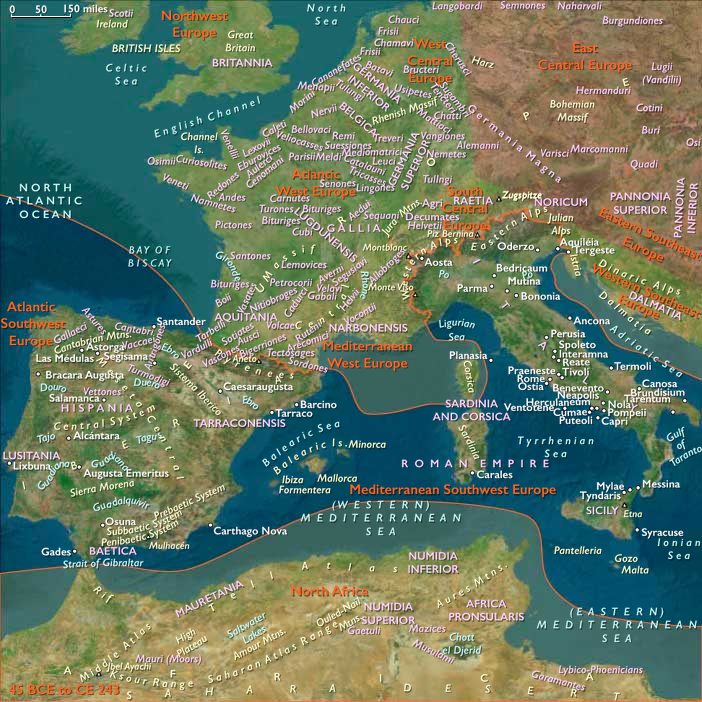
Subregions
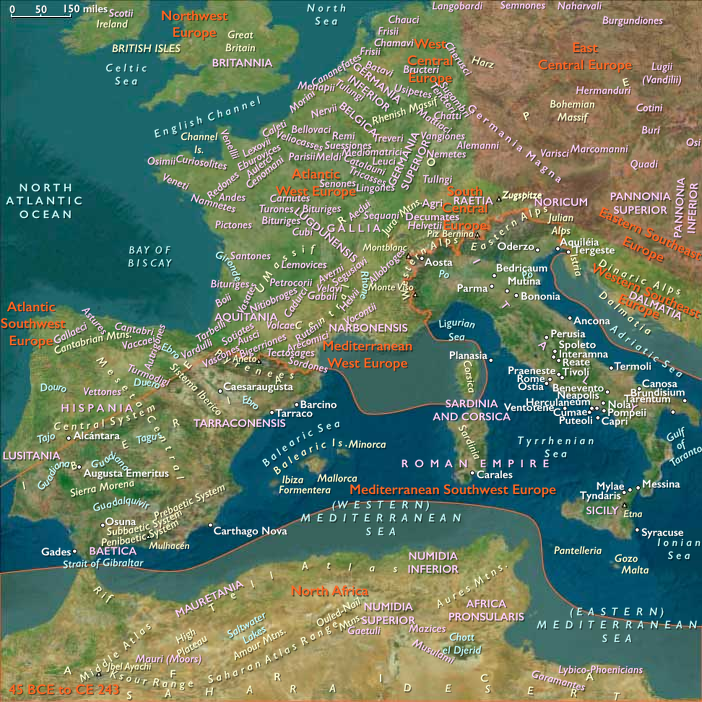
Related Events
Showing 10 events out of 61485 total
Years: 87 - 87
Locations
People
Groups
- Polytheism (“paganism”)
- Jews
- Dacia, Kingdom of
- Italy, Roman
- Christians, Jewish
- Christians, Early
- Roman Empire (Rome): Flavian dynasty
Topics
- Classical antiquity
- Roman colonization
- Portraits, Classical
- Roman art
- Roman Age Optimum
- Pax Romana
- Jewish–Roman wars
- Domitian's Dacian War
Commodoties
Subjects
- Commerce
- Sculpture
- Environment
- Labor and Service
- Conflict
- Mayhem
- Faith
- Government
- Custom and Law
- Technology
Regions
Subregions