Atlantic Southwest Europe (112–123 CE): Heightened Prosperity,…
112 CE to 123 CE
Atlantic Southwest Europe (112–123 CE): Heightened Prosperity, Urban Development, and Cultural Integration under Trajan and Hadrian
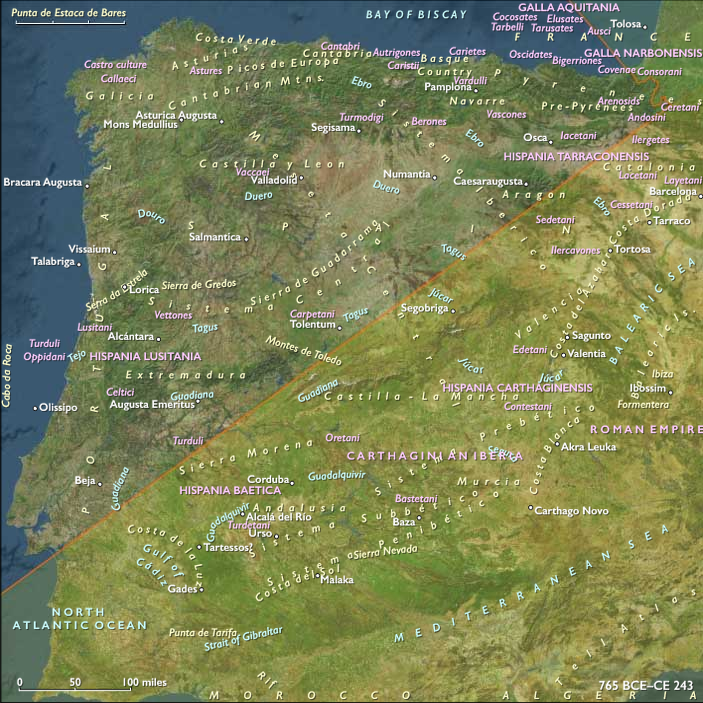
Between 112 and 123 CE, Atlantic Southwest Europe—encompassing northern and central Portugal, Galicia, Asturias, Cantabria, and northern Spain south of the Franco-Spanish border (43.05548° N, 1.22924° W)—continued to prosper under the latter years of Emperor Trajan’s reign and the early years of Emperor Hadrian’s administration (from 117 CE). This period was characterized by sustained political stability, intensified economic prosperity, expanded urbanization, and cultural flourishing. Although Roman citizenship steadily expanded, indigenous tribal identities, customs, and traditions remained robust, dynamically integrating within the Roman provincial context.
Political and Military Developments
Stable and Efficient Provincial Administration
-
Under Trajan and subsequently Hadrian, provincial governance in Atlantic Southwest Europe remained exceptionally stable and effective, ensuring regional peace and economic prosperity. Administrative efficiency was enhanced through improved bureaucratic structures, strengthened provincial institutions, and strategic investments in urban and military infrastructure.
-
Local elites, increasingly obtaining Roman citizenship, actively participated in governance, contributing significantly to regional stability and integrating more deeply into Roman political and social frameworks.
Continued Integration of Northern Tribes
-
Northern tribal territories—including the Gallaeci, Astures, and Cantabri—maintained stable provincial integration, cooperating with Roman authorities and benefiting from expanded economic opportunities and civic development.
-
The Vascones maintained effective diplomatic neutrality and autonomy, continuing to benefit from stable and prosperous provincial administration.
Economic and Technological Developments
Heightened Economic Prosperity and Expanded Mediterranean Trade
-
Atlantic Southwest Europe’s economic prosperity continued to flourish, deeply integrated into Mediterranean trade networks. Exports included valuable metals (silver, copper, tin), agricultural products, timber, salt, textiles, livestock products, and significant numbers of slaves. Imports—luxury items, fine ceramics, wine, olive oil, and advanced iron products—further enriched local economies.
-
Provincial elites experienced considerable economic gains, reinforcing regional social hierarchies, economic specialization, and continued dependence on Roman commerce.
Persistent Centrality of Slave Labor
-
Slavery continued as a core component of the regional economy, extensively employed in mining operations, agriculture, artisanal crafts, domestic services, and urban infrastructure. The active slave trade firmly embedded slavery within regional economic and social structures, significantly influencing societal hierarchies.
Infrastructure Investment and Technological Advancements
-
Continued investments in infrastructure under Trajan and Hadrian, including enhanced road networks, urban centers, bridges, aqueducts, ports, and public buildings, significantly improved provincial cohesion, economic efficiency, and administrative control.
-
Technological innovation, notably in metallurgy and construction, continued to enhance agricultural productivity, artisanal craftsmanship, military capabilities, and urbanization. Skilled local artisans produced high-quality tools, armor, weaponry, and decorative objects, blending local traditions with sophisticated Roman techniques.
Cultural and Religious Developments
Cultural Flourishing and Artistic Synthesis
-
Material culture showcased vibrant synthesis of indigenous Iberian traditions, Celtic motifs, and increasingly dominant Roman artistic styles. Artistic expressions—elaborate metalwork, jewelry, pottery, ceremonial objects, and household items—reflected resilient regional identities and cultural vitality.
-
Tribal communities, especially among Lusitanians, Gallaeci, Astures, Cantabri, and Vascones, continued robustly adapting their cultural identities within the integrated Roman provincial context.
Continued Ritual Practices and Cultural Adaptations
-
Ritual traditions persisted actively, integrating indigenous Iberian, Celtic, and Roman religious elements. Sacred landscapes, sanctuaries, and communal ceremonies remained central, reinforcing communal cohesion, cultural continuity, and tribal identities.
-
Traditional ancestral rites, warrior ceremonies, and local festivals continued robustly, reinforcing regional identity, social solidarity, and cultural resilience within stable Roman provincial governance.
Early Expansion of Roman Citizenship
-
During this period, Roman citizenship began gradually expanding beyond local elites, veterans, and administrative families, progressively incorporating wider segments of society. This expansion laid critical foundations for later citizenship extensions, contributing significantly to local integration into Roman civic and cultural life.
Notable Tribal Groups and Settlements
-
Lusitanians: Benefited economically and culturally, increasingly integrated into Roman provincial society through expanding citizenship and urban development.
-
Vettones and Vaccaei: Continued prosperous integration, maintaining local autonomy and stability through diplomatic cooperation and increased participation in Roman governance.
-
Gallaeci, Astures, Cantabri: Maintained prosperous, stable provincial integration while actively preserving local traditions and identities.
-
Vascones: Successfully preserved autonomy, territorial integrity, diplomatic neutrality, and cultural distinctiveness within the Roman provincial system.
Long-Term Significance and Legacy
Between 112 and 123 CE, Atlantic Southwest Europe:
-
Experienced stable provincial administration and heightened prosperity under Trajan and Hadrian, significantly enhancing long-term regional development.
-
Achieved peak economic integration into Mediterranean trade networks, further embedding slavery as an essential component of regional economic life.
-
Demonstrated dynamic cultural adaptation, preserving indigenous traditions and identities while gradually expanding civic integration through Roman citizenship.
This period firmly consolidated Atlantic Southwest Europe’s role as a prosperous, culturally vibrant province of the Roman Empire, decisively shaping its enduring historical legacy and laying the foundation for broader citizenship and deeper cultural integration in subsequent decades.
People
Groups
Topics
Commodities
Subjects
Regions
Southwest Europe
View →Subregions