
Filters:
The Fall of Gallus, the Rise of …
Years: 352 - 363
The Fall of Gallus, the Rise of Julian, and the End of the Constantinian Dynasty (354–361 CE)
The final years of Constantius II’s reign (337–361 CE) were marked by internal power struggles, culminating in the execution of Gallus, the rise of Julian, and an impending civil war that was cut short by Constantius’ unexpected death.
1. The Execution of Constantius Gallus (354 CE)
- Constantius Gallus, a half-brother of Julian, had been appointed Caesar of the East in 351 CE to help manage the empire’s vast territories.
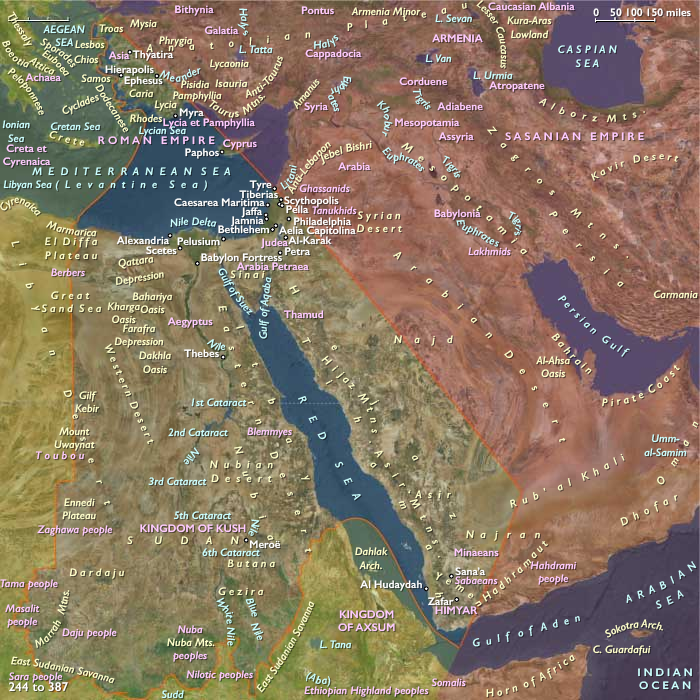
- Reports from Syria Palæstina revealed that Gallus had become violent and corrupt, ruling with brutality and executing imperial officials.
- Constantius II ordered Gallus’ arrest and execution in 354 CE, eliminating a potential rival but leaving himself with only one male relative—Julian.
2. The Rise of Julian as Caesar (355 CE)
- With Gallus gone, Constantius elevated Julian to the rank of Caesar in 355 CE, making him his last surviving relative.
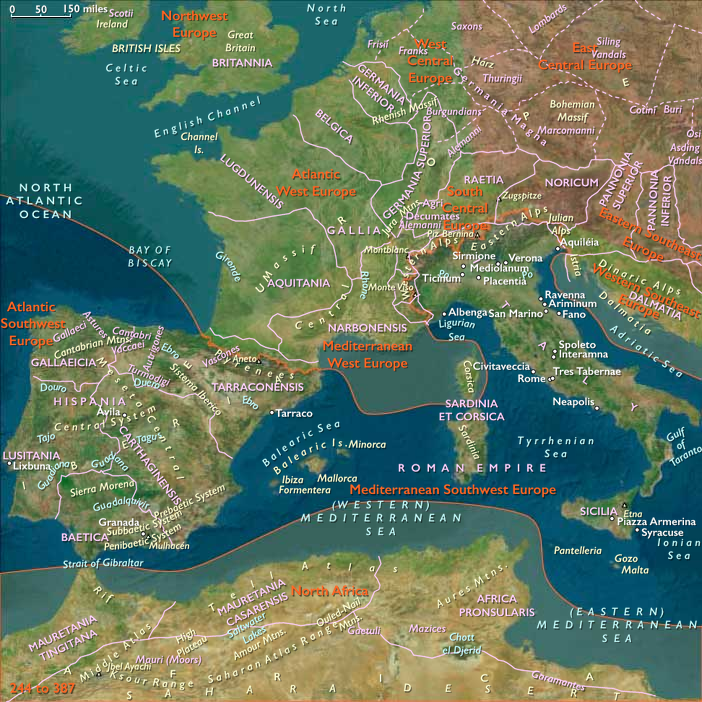
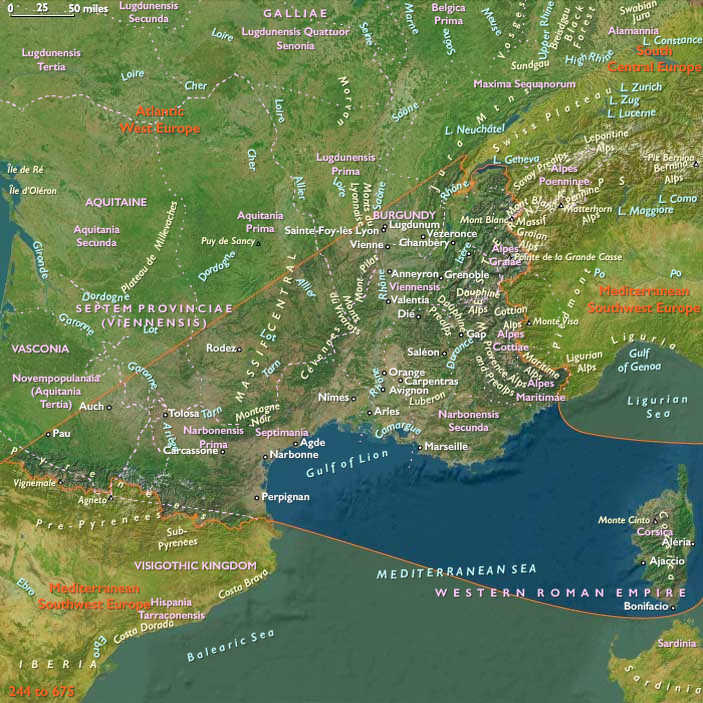
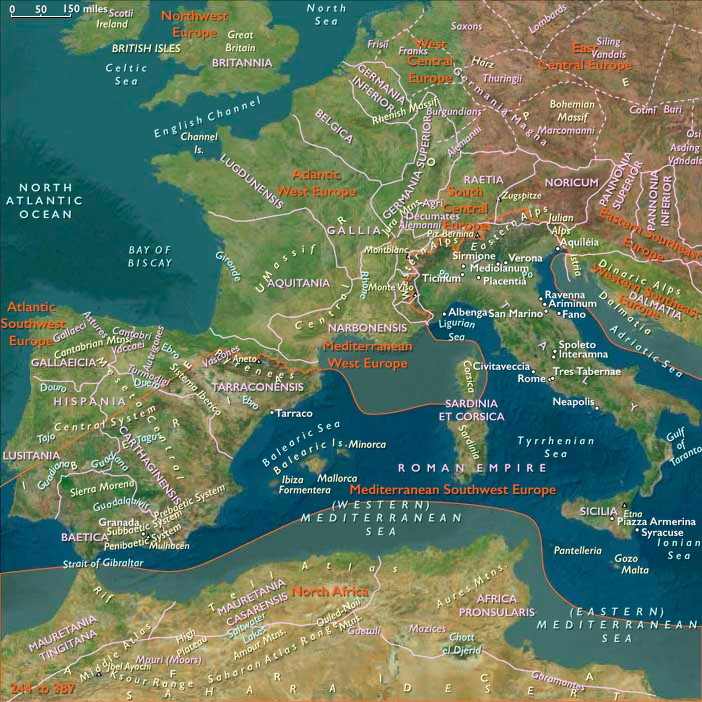
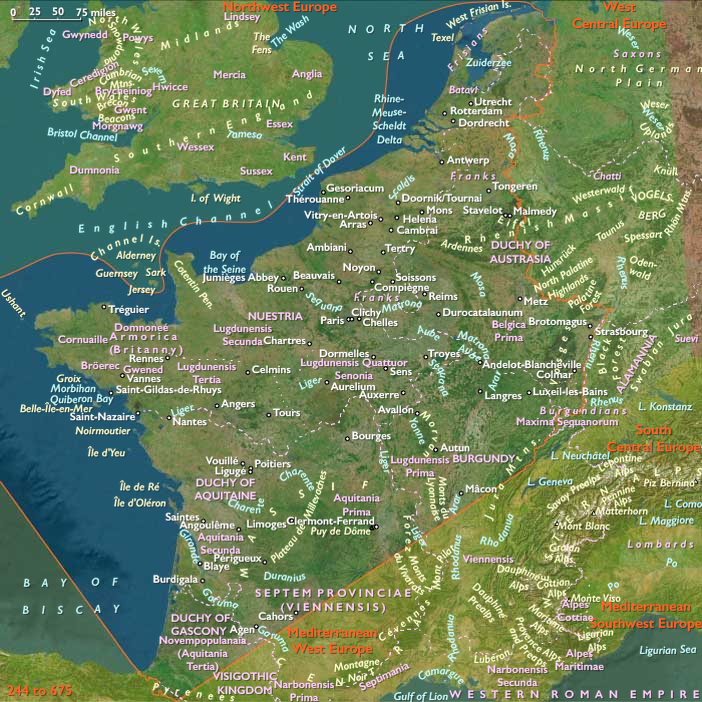
- Julian, an intellectual and admirer of classical pagan philosophy, was sent to govern Gaul, where he proved to be an exceptional general and administrator.
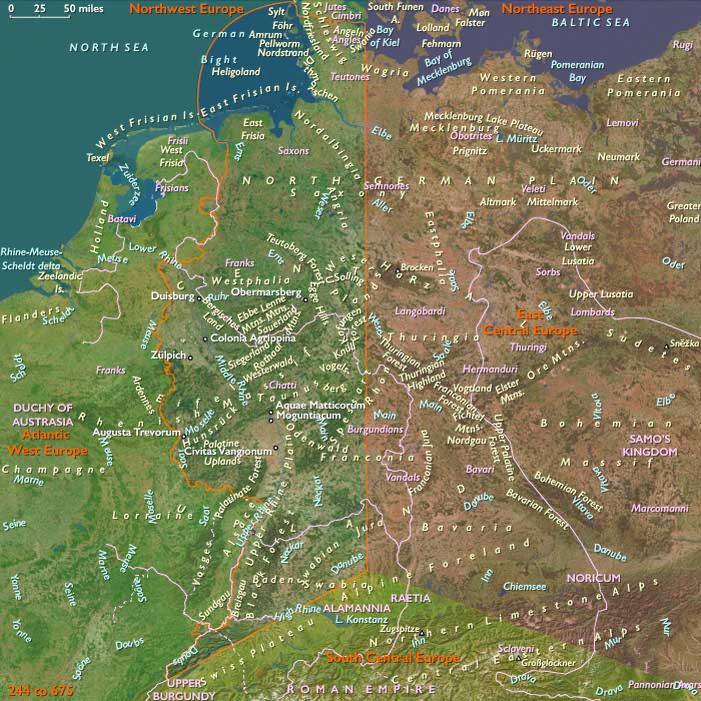
- Over the next five years, he defended the Rhine frontier, winning major victories over the Franks and Alemanni.
3. Julian Declares Himself Augustus (360 CE)
- As Julian’s power and popularity grew, his troops in Gaul proclaimed him Augustus in 360 CE, challenging Constantius’ authority.
- Constantius saw this as an act of treason, leading to an inevitable civil war between the two emperors.
4. The Unexpected End of the Conflict (361 CE)
- As Constantius marched east to confront Julian, he suddenly fell ill in late 361 CE.
- Before his death, he unexpectedly named Julian as his successor, avoiding a full-scale civil war.
- With Constantius’ death, Julian became the undisputed ruler of the Roman Empire, marking the end of the Constantinian dynasty.
5. Conclusion: A Tumultuous Transfer of Power
- The execution of Gallus removed a brutal but politically valuable ally.
- Julian’s rise to power demonstrated that military success could challenge dynastic legitimacy.
- Constantius’ death in 361 CE allowed for a peaceful transition, but Julian’s rule would soon be marked by:
- Radical religious policies aimed at restoring paganism in an empire that had become predominantly Christianized.
- A Persian campaign (362–363 CE) that would ultimately lead to his untimely death.
Despite his military and administrative talents, Julian’s reign (361–363 CE) would be short-lived, and his efforts to reverse Christian dominance would fail, solidifying the empire’s eventual Christian character.
People
Groups
- Jews
- Syria Palæstina, Roman province of (Judea, Samaria, and Idumea)
- East, Diocese of the
- Roman Empire: Constantinian dynasty (Constantinople)
Topics
Subjects
Regions
- The Near and Middle East
- Southeast Europe
- Central Europe
- West Europe
- North Europe
- North Africa
- Southwest Europe
Subregions
- East Central Europe
- Eastern Southeast Europe
- Middle East
- Near East
- Western Southeast Europe
- South Central Europe
- Mediterranean West Europe
- Mediterranean Southwest Europe
- North Africa
- Atlantic Southwest Europe
- Atlantic West Europe
- West Central Europe
- Northwest Europe


Years: 352 - 363
People
Groups
- Jews
- Syria Palæstina, Roman province of (Judea, Samaria, and Idumea)
- East, Diocese of the
- Roman Empire: Constantinian dynasty (Constantinople)
Topics
Subjects
Regions
- The Near and Middle East
- Southeast Europe
- Central Europe
- West Europe
- North Europe
- North Africa
- Southwest Europe
Subregions
- East Central Europe
- Eastern Southeast Europe
- Middle East
- Near East
- Western Southeast Europe
- South Central Europe
- Mediterranean West Europe
- Mediterranean Southwest Europe
- North Africa
- Atlantic Southwest Europe
- Atlantic West Europe
- West Central Europe
- Northwest Europe