
East Europe (1984–1995 CE): Collapse of Communism …
Years: 1984 - 1995
East Europe (1984–1995 CE): Collapse of Communism and Post-Cold War Transitions
Political and Military Developments
End of Communist Rule
This era marked the dramatic collapse of communist regimes throughout Eastern Europe. The mid-to-late 1980s saw increased pressure from dissident movements, economic hardships, and changing geopolitical circumstances, notably influenced by Soviet leader Mikhail Gorbachev's policies of perestroika and glasnost.
Revolutions of 1989
The pivotal Revolutions of 1989 peacefully dismantled communist governments across the region, symbolized by the fall of the Berlin Wall. Nations such as Poland, Hungary, Czechoslovakia, East Germany, Bulgaria, and Romania transitioned to democratic governance, significantly altering regional political landscapes.
Dissolution of the Soviet Union
The political and economic reforms culminated in the dissolution of the Soviet Union in 1991, profoundly reshaping geopolitical alignments. Newly independent states emerged, notably Russia, Ukraine, Belarus, and the Baltic nations, dramatically transforming Eastern Europe's political structure.
Economic and Technological Developments
Transition to Market Economies
Eastern European countries underwent challenging transitions from centrally planned economies to market-driven systems. These transformations involved extensive economic restructuring, privatization efforts, and integration into global markets, accompanied by significant social and economic disruptions.
Technological Integration
Rapid integration of Western technologies occurred as Eastern Europe opened its economies to foreign investment and innovation. Technological modernization became crucial for economic recovery and competitive positioning within the global economy.
Cultural and Artistic Developments
Cultural Liberation and Diversification
The collapse of communism led to significant cultural liberalization, enabling diverse artistic expression and intellectual freedom. Cultural institutions flourished as censorship lifted, revitalizing literature, media, and the arts throughout the region.
Educational Reforms and Internationalization
Educational reforms focused on democratization, decentralization, and internationalization, significantly reshaping academic institutions. Higher education institutions increasingly collaborated internationally, fostering exchanges of knowledge and innovation.
Settlement Patterns and Urban Development
Urban Revitalization and Development
Urban areas underwent significant revitalization and redevelopment, addressing decades of infrastructural neglect. Investments focused on upgrading transportation networks, improving housing, and modernizing public services, transforming urban environments.
Strategic Reorientation
Military and strategic infrastructures realigned significantly, reflecting the new geopolitical realities. Border fortifications and military installations were reconfigured or dismantled as countries redefined their defense policies and security alliances.
Social and Religious Developments
Democratization and Social Change
Democratic reforms profoundly reshaped social structures, expanding political freedoms and civil liberties. Societies experienced rapid change and openness, addressing historical grievances and exploring new social models.
Revival of Religious Life
The post-communist era experienced a notable revival of religious expression and activity across Eastern Europe. Religious institutions regained autonomy and influence, playing active roles in societal rebuilding and reconciliation processes.
Long-Term Consequences and Historical Significance
The period from 1984 to 1995 CE was transformative, fundamentally reshaping Eastern Europe's political, economic, and social landscapes. The collapse of communism and transition toward democracy and market economies significantly altered regional dynamics and global geopolitics, setting a new course for Eastern Europe’s development in the post-Cold War era.
People
Groups
- Russian Orthodox Church
- Ukrainian Soviet Socialist Republic
- Russian Soviet Federated Socialist Republic
- Byelorussian Soviet Socialist Republic
- Union of Soviet Socialist Republics (USSR), or Soviet Union
- Estonian Soviet Socialist Republic
- Latvian Soviet Socialist Republic
- Lithuanian Soviet Socialist Republic
- Czechoslovakia (restored)
- Bulgaria, Republic of
- Romanian People's Republic
- Germany, East (German Democratic Republic)
- Germany, West (Federal Republic of Germany)
- Poland, People's Republic of Poland, or Polish People's Republic
- Warsaw Pact (Treaty of Friendship, Co-operation and Mutual Assistance)
- Czechoslovak Socialist Republic
- Czech and Slovak Federal Republic
- Germany, Federal Republic of
- Belarus
- Estonia, Republic of
- Latvia, Republic of
- Lithuania, Republic of
- Poland, Republic of
- Russian Federation
- Ukraine, Republic of
- Romania
- Slovakia (Second Slovak Republic)
- Czech Republic
Topics
Commodoties
Subjects
- Commerce
- Writing
- Conflict
- Faith
- Government
- Scholarship
- Custom and Law
- Technology
- Metallurgy
- Aeronautics
Regions
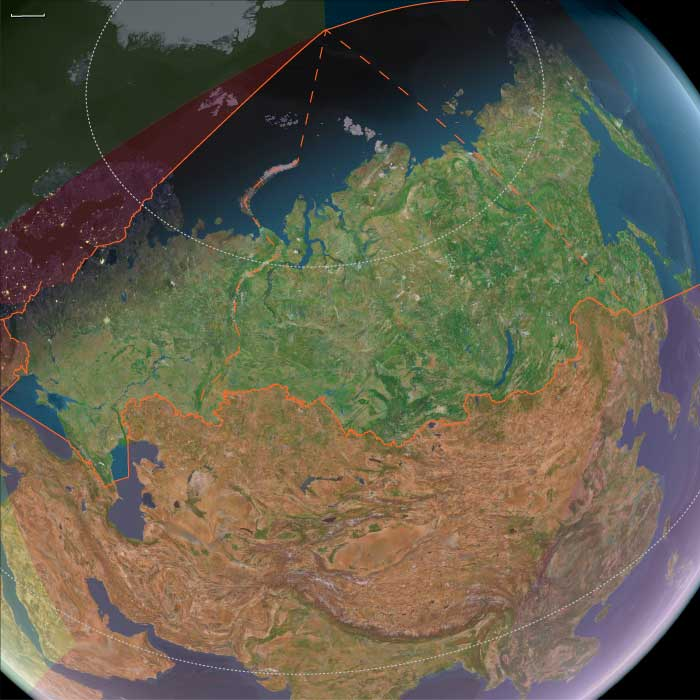
Subregions
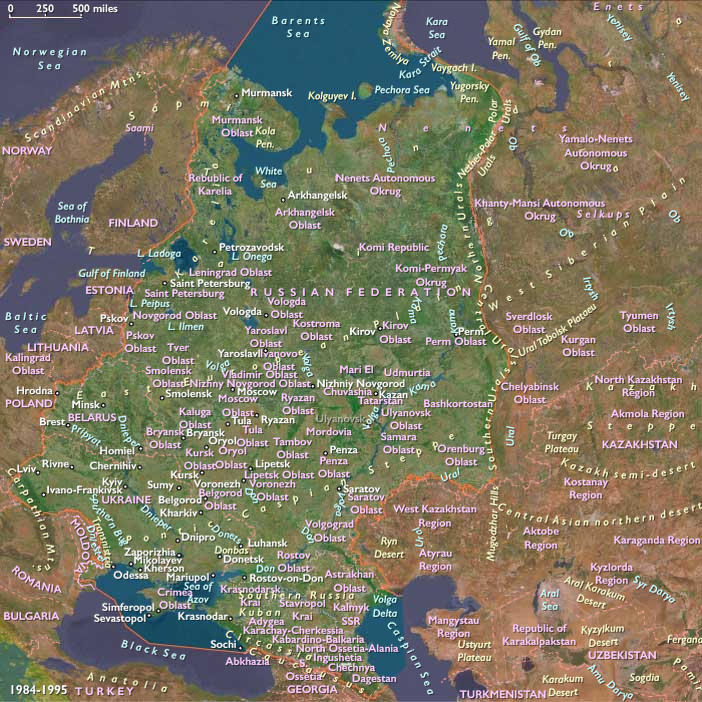
Years: 1984 - 1995
People
Groups
- Russian Orthodox Church
- Ukrainian Soviet Socialist Republic
- Russian Soviet Federated Socialist Republic
- Byelorussian Soviet Socialist Republic
- Union of Soviet Socialist Republics (USSR), or Soviet Union
- Estonian Soviet Socialist Republic
- Latvian Soviet Socialist Republic
- Lithuanian Soviet Socialist Republic
- Czechoslovakia (restored)
- Bulgaria, Republic of
- Romanian People's Republic
- Germany, East (German Democratic Republic)
- Germany, West (Federal Republic of Germany)
- Poland, People's Republic of Poland, or Polish People's Republic
- Warsaw Pact (Treaty of Friendship, Co-operation and Mutual Assistance)
- Czechoslovak Socialist Republic
- Czech and Slovak Federal Republic
- Germany, Federal Republic of
- Belarus
- Estonia, Republic of
- Latvia, Republic of
- Lithuania, Republic of
- Poland, Republic of
- Russian Federation
- Ukraine, Republic of
- Romania
- Slovakia (Second Slovak Republic)
- Czech Republic
Topics
Commodoties
Subjects
- Commerce
- Writing
- Conflict
- Faith
- Government
- Scholarship
- Custom and Law
- Technology
- Metallurgy
- Aeronautics
Regions
Subregions