East Europe (100–243 CE): Sarmatian Power and…
100 CE to 243 CE
East Europe (100–243 CE): Sarmatian Power and Roman Influence
Political and Military Developments
Sarmatian Dominance and Expansion
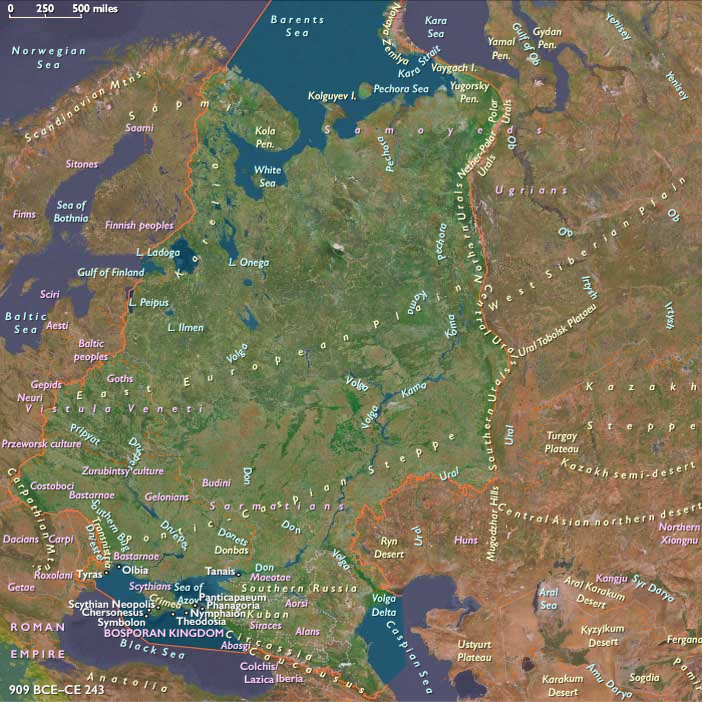
From 100 to 243 CE, the Sarmatians maintained significant control over the Pontic–Caspian steppe, asserting military power through formidable cavalry units, especially their heavily armored cataphracts. Their territories expanded further westward, directly influencing European tribes and occasionally clashing with the expanding Roman Empire's eastern provinces.
Interactions with the Roman Empire
Increased interactions occurred between the Sarmatians and the Roman Empire, particularly along the Danube frontier. These interactions varied from military confrontations to alliances, with Rome recruiting Sarmatian cavalry into its auxiliary forces, profoundly affecting Roman military practices.
Economic and Technological Developments
Expansion and Diversification of Trade
The established Eurasian trade routes under Sarmatian control continued to flourish, bringing prosperity through the exchange of precious metals, textiles, amber, furs, and horses. Roman demand for these goods intensified trade interactions, notably enriching the Sarmatian aristocracy.
Military Innovation and Influence
Technological and tactical advancements by the Sarmatians, notably in armor production and cavalry warfare, further influenced Roman military reforms. The Romans integrated elements of Sarmatian armor and tactics, enhancing the effectiveness of their forces.
Cultural and Artistic Developments
Sarmatian Artistic Maturity
Sarmatian art reached new heights of refinement, characterized by intricate metalwork and decorative motifs incorporating animal symbolism, geometric patterns, and Mediterranean influences. Jewelry and ceremonial weaponry from this period highlight sophisticated craftsmanship and cultural synthesis.
Increasing Roman Cultural Exchange
Exposure to Roman artistic and cultural practices increased through trade and military collaboration. This period saw growing Roman influence in architecture, pottery, coinage, and burial customs within territories influenced by the Sarmatians.
Settlement Patterns and Urban Development
Urbanization and Trade Centers
Cities and trade centers, particularly within and around the Bosporan Kingdom, continued to grow and urbanize, driven by prosperous trade networks. Urban centers such as Panticapaeum expanded, becoming focal points of economic and cultural exchange.
Development of Chernyakhov Culture
Emerging around the late 2nd and early 3rd centuries CE, the Chernyakhov culture became prominent in areas of modern-day Ukraine and Moldova. This archaeological culture demonstrated sophisticated settlement structures, diversified agriculture, and increased interaction with both Sarmatian and Roman influences.
Social and Religious Developments
Elite Hierarchy and Aristocratic Wealth
Sarmatian society maintained clear hierarchical distinctions. Aristocratic warriors continued to express status through richly adorned burial practices, including elaborate grave goods, luxurious weaponry, and ornate personal adornments.
Syncretism and Evolving Religious Practices
Religious practices became increasingly syncretic, incorporating Roman, Greek, Iranian, and local traditions. This syncretism was particularly evident in burial rites, religious iconography, and ritual artifacts found in archaeological contexts.
Long-Term Consequences and Historical Significance
The era from 100 to 243 CE reinforced the prominent role of the Sarmatians as influential cultural intermediaries between East Europe and the Roman world. Their significant military and cultural interactions with Rome and the continued economic prosperity through extensive trade networks set lasting precedents, shaping subsequent historical developments across the region.
Groups
Topics
Commodities
Subjects
Regions
Northeastern Eurasia
View →Subregions