The majority of the Russian officer corps…
June 1812 CE
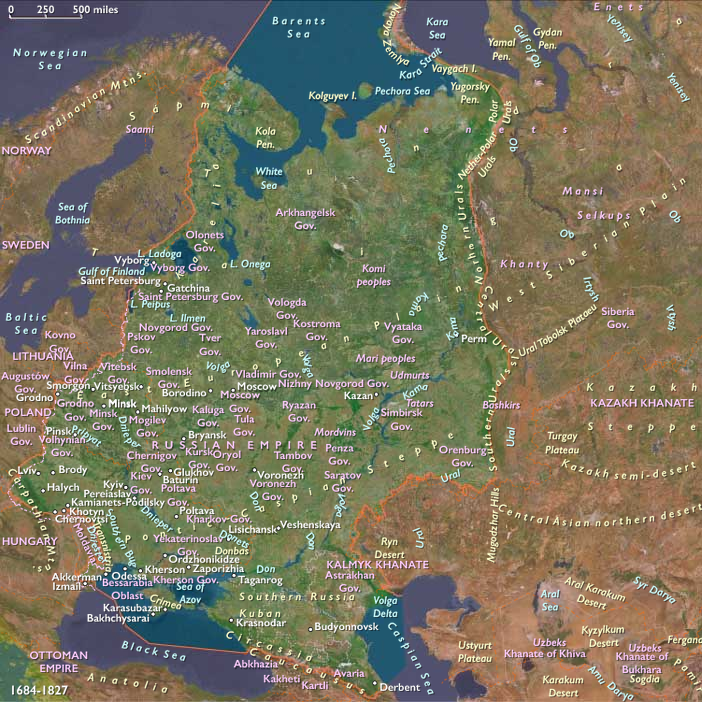
About seven percent of the officer corps comes from the Baltic German nobility from the governorates of Estonia and Livonia.
Because the Baltic German nobles tend to be better educated than the ethnic Russian nobility, the Baltic Germans are often favored with positions in high command and various technical positions.
The Russian Empire has no universal educational system, and those who can afford it have to hire tutors and/or send their children to private schools.
The educational level of the Russian nobility and gentry varies enormously depending on the quality of the tutors and/or private schools with some Russian nobles being extremely well educated while others were just barely literate.
The Baltic German nobility are more inclined to invest in their children's education than the ethnic Russian nobility, which leads to the government favoring them when granting officers' commissions.
Of the eight hundred doctors in the Russian Army in 1812, almost all of them are Baltic Germans.
The British historian Dominic Lieven notes that at the time, the Russian elite defines Russianness in terms of loyalty to the House of Romanov rather in terms of language or culture, and as the Baltic German aristocrats are very loyal, they are considered and consider themselves to be Russian despite speaking German as their first language.
People
Groups
Austria, Archduchy of
View →
Baltic Germans
View →
Russians (East Slavs)
View →
Denmark-Norway, Kingdom of
View →
Portugal, Bragança Kingdom of
View →
Russian Empire
View →
Britain (United Kingdom of Great Britain and Ireland)
View →
Switzerland
View →
France, (first) Empire of
View →
Italy, Bonapartist Kingdom of
View →
Naples, Bonapartist Kingdom of
View →
Rhine, Confederation of the (Rhine Confederation)
View →
Warsaw, Duchy of
View →
Spain, Bonapartist Kingdom of
View →