
Middle America (820 – 963 CE): Terminal…
820 CE to 963 CE
Middle America (820 – 963 CE): Terminal Classic Transformations, Isthmian Gateways, and the Renewal of Trade
Geographic and Environmental Context
Middle America stretched from the Valley of Mexico to the Panamanian isthmus, encompassing a dense gradient of highlands, coasts, and tropical lowlands.
-
Southern North America: Mexico, Guatemala, Belize, Honduras, El Salvador, and Nicaragua.
-
Isthmian America: Costa Rica, Panama, the Darién corridor, the San Andrés Archipelago, and the Ecuadorian Capelands (Manta–Santa Elena–Esmeraldas–Guayas headlands).
This was the land bridge of the Americas—linking Andean, Caribbean, and Mesoamerican civilizations—bounded by the Gulf of Mexico, Caribbean Sea, and Pacific Ocean. Its ecological range—from Yucatán’s dry forests to Panama’s rainforests—made it one of the world’s most diversified cultural regions.
Climate and Environmental Shifts
The centuries around 820–963 CE bridged drought and recovery:
-
Terminal Classic droughts (c. 800–930) destabilized the southern Maya lowlands, thinning populations in Petén and Belize forests.
-
Highlands and coastal belts—the Puuc hills, Yucatán littoral, and Pacific cacao coasts—remained stable, attracting migrants and trade.
-
Central America and the Ecuadorian Capes enjoyed reliable rainfall, while El Niño–La Niña cycles intermittently disrupted Pacific fisheries.
-
The approach of the Medieval Warm Period (after 950) restored agricultural productivity and reinvigorated canoe navigation along the coasts.
Societies and Political Developments
Southern North America: From Classic Collapse to Epiclassic Innovation
-
Maya lowlands: many Classic centers in the Petén Basin collapsed, but continuity towns such as Lamanai (Belize) and Comayagua (Honduras) persisted with reduced hierarchy.
-
Northern Yucatán: the Puuc cities (Uxmal, Kabah, Labná) and the rising power of Chichén Itzá reoriented the Maya world northward; their stone columns and water temples reflected a new, open political order.
-
Central Mexico: fortress-shrines like Xochicalco and painted sanctuaries at Cacaxtla dominated the Epiclassic landscape, mediating trade between coasts and highlands after the fall of Teotihuacan.
-
Oaxaca: Monte Albán declined; Mixtec hilltop polities (e.g., Tilantongo) consolidated power, producing early genealogical codices.
-
Guatemalan highlands: dispersed K’iche’ and Kaqchikel ancestors occupied defensible ridges, preserving maize and ritual continuity.
-
Ulúa–Sula and Soconusco coasts of Honduras and El Salvador thrived as cacao exporters tied to obsidian and jade markets.
Isthmian America: The Cape-to-Isthmus Exchange Sphere
-
Costa Rica and Panama: regional chiefdoms administered maize, manioc, and cacao production, channeling gold ornaments, cotton textiles, and ceramics through isthmian portages.
-
Darién corridor: a Chibchan–Cariban interface that relayed goods between the Caribbean and Pacific; rainforest villages navigated by canoe and river paths.
-
Ecuadorian Capelands (Manta–Santa Elena): coastal communities specialized in spondylus shell diving, cotton weaving, and maritime trade, connecting the Andes with Central America.
-
San Andrés Archipelago: served as seasonal fishing and turtle-harvesting grounds.
-
Galápagos Islands: uninhabited but ecologically influential in regional seafaring and mythic geography.
Economy and Trade
-
Staples: milpa maize, beans, and squash in Mesoamerica; manioc, cacao, and maize along the Isthmus; irrigated plots in lake basins.
-
Prestige goods: obsidian (Pachuca, El Chayal), jade (Motagua Valley), spondylus shells, painted ceramics, and gold ornaments.
-
Canoe corridors:
-
Pacific chain: Soconusco ⇄ Nicaragua ⇄ Costa Rica ⇄ Panama ⇄ Ecuadorian Capes.
-
Caribbean–Isthmus link: Darién portages connected the two oceans.
-
Highland routes: Mixteca–Guatemalan paths funneled obsidian, cacao, and feathers into coastal markets.
-
-
Epiclassic central places: Chichén Itzá and Xochicalco prospered as redistributors of tropical goods northward to central Mexico and beyond.
Subsistence and Technology
-
Irrigation and terraces expanded in Yucatán and central Mexico; canal systems in the Valley of Mexico and Hohokam–Mesoamerican corridors paralleled one another in complexity.
-
Cacao horticulture enriched Pacific and isthmian societies; cotton cultivation fed weaving industries.
-
Metallurgy: Isthmian smiths pioneered gold-alloy casting by the 9th century.
-
Canoe design: large dugouts and sewn-plank hulls enabled open-coast navigation; raft and outrigger traditions likely connected Ecuadorian and Panamanian ports.
-
Ceramics: fine polychrome and incised wares carried ritual and exchange value.
Belief and Symbolism
-
Rain and maize renewal: cenote offerings in Yucatán, hilltop shrines in Oaxaca, and cave rituals throughout the highlands sustained agrarian cosmologies.
-
Ballgame sanctuaries remained focal—at Copán’s successors, Ulúa Valley courts, and Isthmian plazas—representing fertility and political alliance.
-
Gold and spondylus in Costa Rica and Ecuador embodied solar–marine power; offerings at elite burials affirmed chiefs’ connection to sea and sky.
-
Hybrid art styles—as at Cacaxtla and Chichén Itzá—merged Maya, Central Mexican, and Isthmian motifs into a shared sacred vocabulary.
Adaptation and Resilience
-
Ecological diversification: combining dryland maize, humid cacao, and riverine manioc stabilized food supplies.
-
Population mobility: migration from collapsing lowlands to coasts and uplands sustained continuity of language and ritual.
-
Trade redundancy: dual Caribbean and Pacific corridors prevented economic collapse when drought or war disrupted one route.
-
Ritual integration: ballgame leagues, pilgrimage circuits, and feasting networks renewed interregional bonds after the disintegration of Classic hegemonies.
Long-Term Significance
By 963 CE, Middle America had transformed into a maritime and highland nexus of renewed innovation:
-
The Maya north (Puuc–Chichén) and Mixtec highlands revived monumental and literary traditions.
-
The Epiclassic central plateau bridged cultures from Oaxaca to the Gulf, blending artistry and warfare into new syncretic forms.
-
The Costa Rica–Panama isthmus and Ecuadorian capes matured into a gold-and-shell corridor, linking Mesoamerica and the Andes for the first time.
-
Cacao, gold, and spondylus became the symbolic currencies of the age—binding river, coast, and sea into one of the ancient world’s most intricate exchange systems.
Images
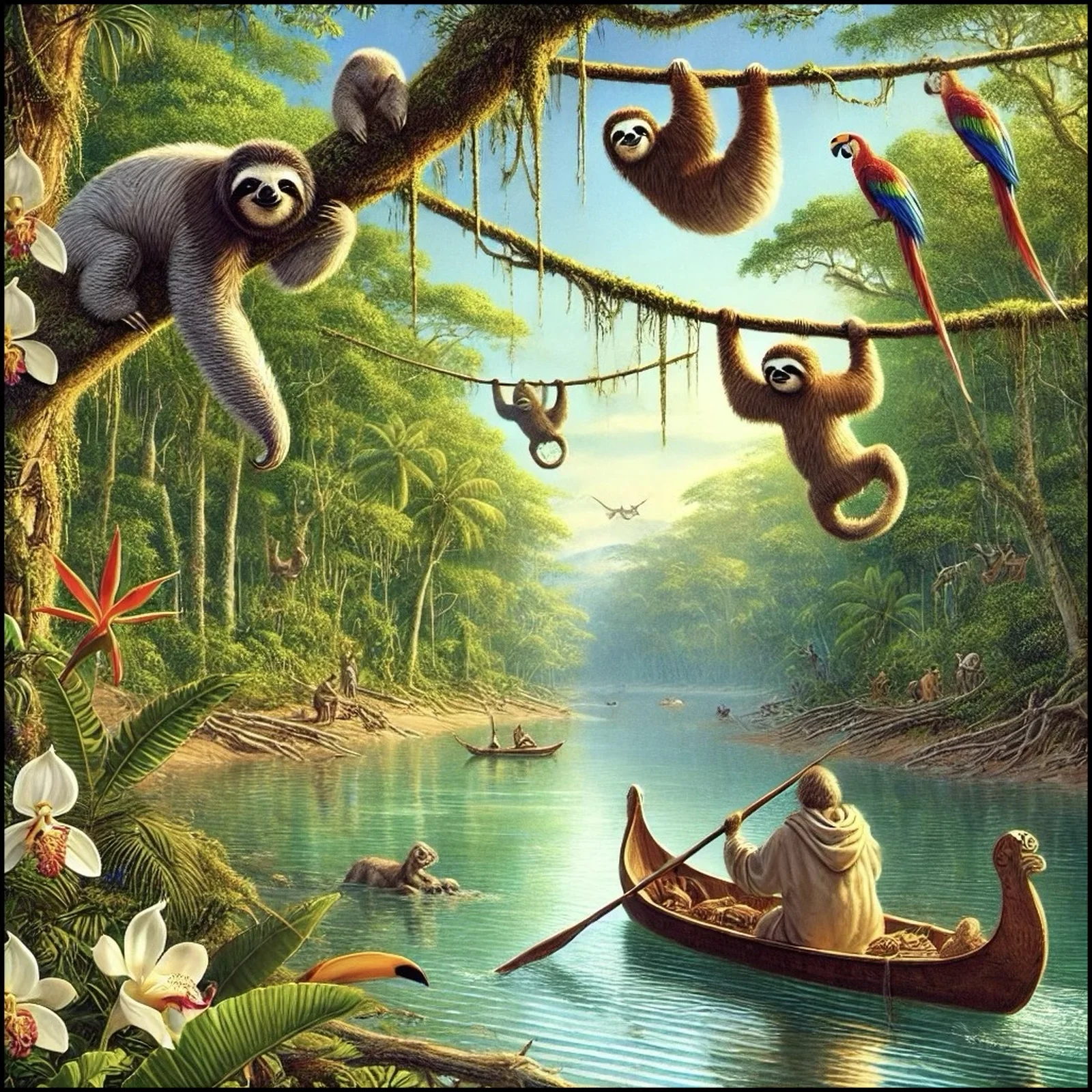
Isthmian America (with civilization) ©2024-25 Electric Prism, Inc. All rights reserved.
Commodities
Subjects
Regions


