
Filters:
The War of the Castilian Succession (1475–1479) …
Years: 1468 - 1479
The War of the Castilian Succession (1475–1479) and the Treaty of Alcáçovas
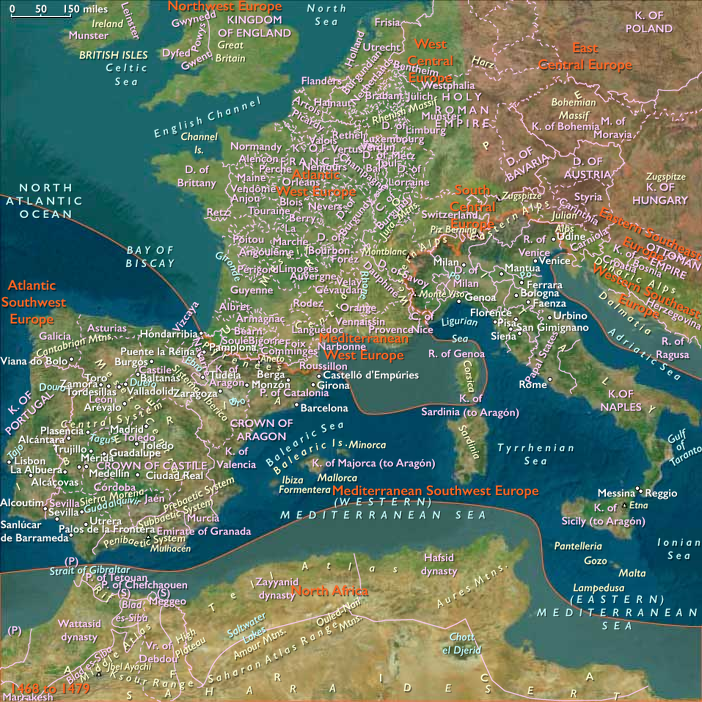
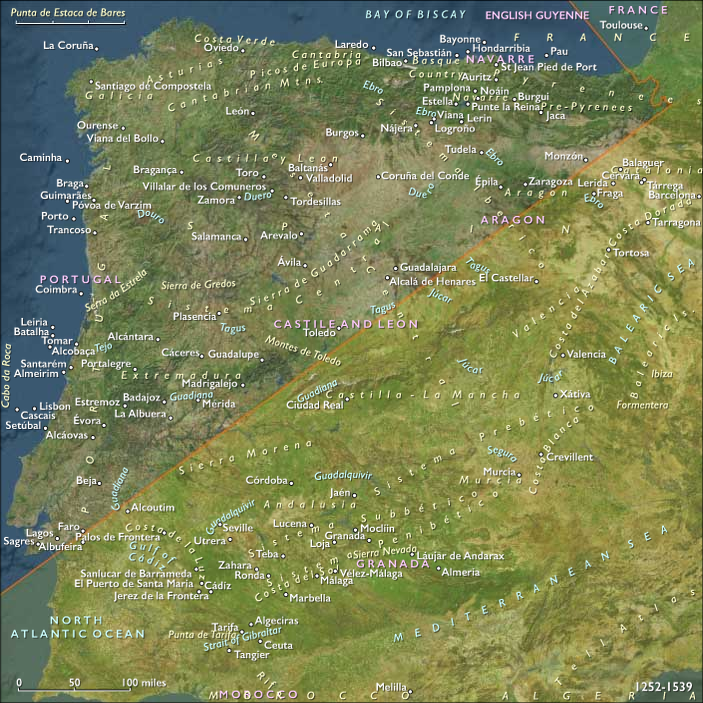
The War of the Castilian Succession (1475–1479) was a dynastic and international conflict fought between the supporters of Joanna la Beltraneja, daughter of Henry IV of Castile, and those of Isabella of Castile, Henry IV’s half-sister. This war determined the future of Iberian unification and colonial expansion.
Key Players and Their Alliances
- Isabella of Castile (married to Ferdinand of Aragon)
- Supported by Aragon, seeking to consolidate Spanish unity.
- Opposed by France, which was a rival of Aragon for control in Italy and Roussillon.
- Joanna la Beltraneja (married to her uncle, King Afonso V of Portugal)
- Supported by Portugal, which aimed to maintain Castilian independence and retain influence.
- Backed by France, in opposition to Aragon’s expansion.
Military and Naval Engagements
- Despite initial victories for Joanna’s faction, Afonso V of Portugal failed to act decisively, allowing Isabella to consolidate power.
- The Battle of Toro (1476), though inconclusive, favored Isabella politically, leading to her recognition as Queen of Castile in the Cortes of Madrigal-Segovia (1476).
- The war shifted focus to naval warfare, particularly over control of Atlantic trade routes.
- In 1478, the Portuguese navy won a decisive victory at the Battle of Guinea, securing access to gold and slaves in West Africa.
The Treaty of Alcáçovas (1479): Defining Iberian and Colonial Power
- The treaty recognized Isabella and Ferdinand as sovereigns of Castile, ending Portuguese claims to the throne.
- Portugal, in return, gained exclusive control over the Atlantic trade, except for the Canary Islands, which remained Castilian.
- The treaty formally established Portugal’s hegemony in maritime exploration, securing:
- The Azores, Madeira, and Cape Verde.
- Exclusive rights to trade in West Africa and its gold and slave markets.
- Joanna la Beltraneja lost all claims to the Castilian throne, living the rest of her life in Portugal.
Impact on Colonialism: The Division of the World into Spheres of Influence
- The Treaty of Alcáçovas set a precedent for European colonial expansion, formally dividing newly discovered lands without considering indigenous peoples.
- This principle was further codified in the Treaty of Tordesillas (1494), dividing the New World between Spain and Portugal.
- The same ideology of dividing the world into European spheres of control persisted for centuries, culminating in the Berlin Conference (1884–1885), which partitioned Africa among European colonial powers.
Conclusion: The Treaty’s Lasting Legacy
- The War of the Castilian Succession secured Spanish unification and Portugal’s dominance in Atlantic exploration.
- The Treaty of Alcáçovas established the European precedent for colonialism, shaping the future of global imperialism.
- This principle of "spheres of influence" became an accepted norm in European diplomacy, influencing colonial treaties up to the 20th century.
The war and its aftermath reshaped Iberia, global trade, and European geopolitics, setting the stage for the Age of Exploration and the colonial empires that followed.
People
- Afonso V of Portugal
- Charles the Bold
- Ferdinand II of Aragon
- George of Poděbrady
- Isabella I of Castile
- Joanna la Beltraneja
- Mary of Burgundy
- Matthias Corvinus
- Maximilian I of
- Ruprecht of the Palatinate
Groups
- Burgundy, Duchy of
- Christians, Roman Catholic
- Aragón, Kingdom of
- Franche-Comté
- Aragon, Crown of
- Bohemia, Kingdom of
- Castile, Crown of
- Cologne, Electorate of
- Swiss Confederacy, Old (Swiss Confederation)
- France, (Valois) Kingdom of
- Netherlands, Burgundian
- Portugal, Avizan (Joannine) Kingdom of
- Hussites
- Canary Islands (Castilian colony)
Topics
- Age of Discovery
- Canary Islands, conquest of the
- Burgundian Wars
- Bohemian War (1468–78)
- Cologne Diocesan Feud
- Castilian Succession, War of the
- Toro, Battle of
- Guinea, Battle of
Commodoties
Subjects
- Commerce
- Watercraft
- Environment
- Labor and Service
- Conflict
- Exploration
- Faith
- Government
- Custom and Law
- Technology
Regions
Subregions
Years: 1468 - 1479
People
- Afonso V of Portugal
- Charles the Bold
- Ferdinand II of Aragon
- George of Poděbrady
- Isabella I of Castile
- Joanna la Beltraneja
- Mary of Burgundy
- Matthias Corvinus
- Maximilian I of
- Ruprecht of the Palatinate
Groups
- Burgundy, Duchy of
- Christians, Roman Catholic
- Aragón, Kingdom of
- Franche-Comté
- Aragon, Crown of
- Bohemia, Kingdom of
- Castile, Crown of
- Cologne, Electorate of
- Swiss Confederacy, Old (Swiss Confederation)
- France, (Valois) Kingdom of
- Netherlands, Burgundian
- Portugal, Avizan (Joannine) Kingdom of
- Hussites
- Canary Islands (Castilian colony)
Topics
- Age of Discovery
- Canary Islands, conquest of the
- Burgundian Wars
- Bohemian War (1468–78)
- Cologne Diocesan Feud
- Castilian Succession, War of the
- Toro, Battle of
- Guinea, Battle of
Commodoties
Subjects
- Commerce
- Watercraft
- Environment
- Labor and Service
- Conflict
- Exploration
- Faith
- Government
- Custom and Law
- Technology
Regions
Subregions