The murder of a Capuchin friar and…
February 1840 CE
Christians and Jews under Ottoman Islamic rule, are considered dhimmis—a class of non-Muslims possessing some limited rights under Muslim rule—and are allowed to practice their religious precepts.
In return, they have to pay a tax, or jizya (a tax on non-Muslims similar to the imposition of Zakat—one of the Five Pillars of Islam, an obligatory wealth tax paid on certain assets which are not used productively for a period of a year), and recognize a lower legal and social status than that of Muslims.
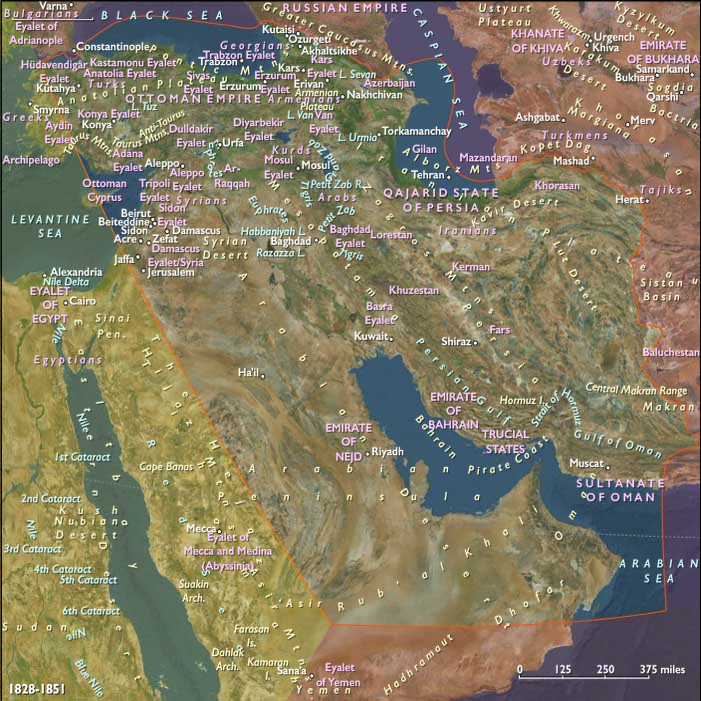
In 1831-32, Syria had come under the rule of the Egyptians under Muhammad Ali, who is said to have ruled at the sufferance of the European powers, led by France, and under his rule, the rights afforded had Christians increased, arousing a grudge among the Muslim majority toward its non-Muslim population.
In the economic struggle between the Jews and the Christians, each side needs the backing and support of the Muslim majority, and tries to incite the Muslims against the opposite group.
The Christians in Damascus complain about their cruel treatment by the Muslim judges.
Fearing an additional wave of Muslim violence, following the return of Ottoman rule in Syria in 1840, they enlist the assistance of priests from Catholic orders, including the Franciscans (Observants) and the Capuchins.
These priests reportedly brings the previously European blood libel myth with them.
Locations
People
Groups
Jews
View →
Islam
View →
Syrian people
View →
Druze, or Druse, the
View →
Christians, Roman Catholic
View →
Franciscans, or Order of St. Francis
View →
Ottoman Empire
View →
Damascus Eyalet
View →
Capuchin, Order of Friars Minor
View →
United States of America (US, USA) (Washington DC)
View →
Britain (United Kingdom of Great Britain and Ireland)
View →
Egypt, (Ottoman) Viceroyalty of
View →
France, constitutional monarchy of
View →
Regions
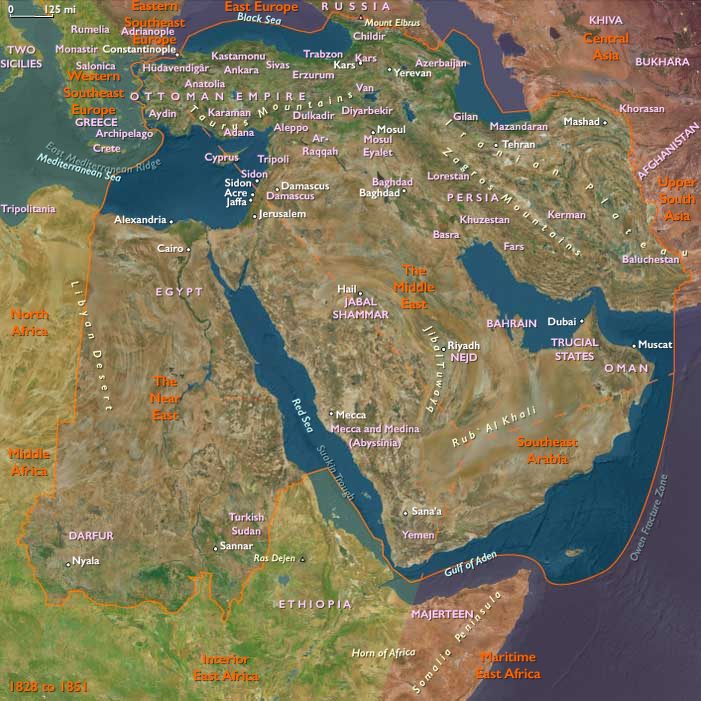
The Near and Middle East
View →Subregions