
Political Intrigue and Conflict: The Fall of…
1433 CE
Political Intrigue and Conflict: The Fall of Georges de La Trémoille (1433)
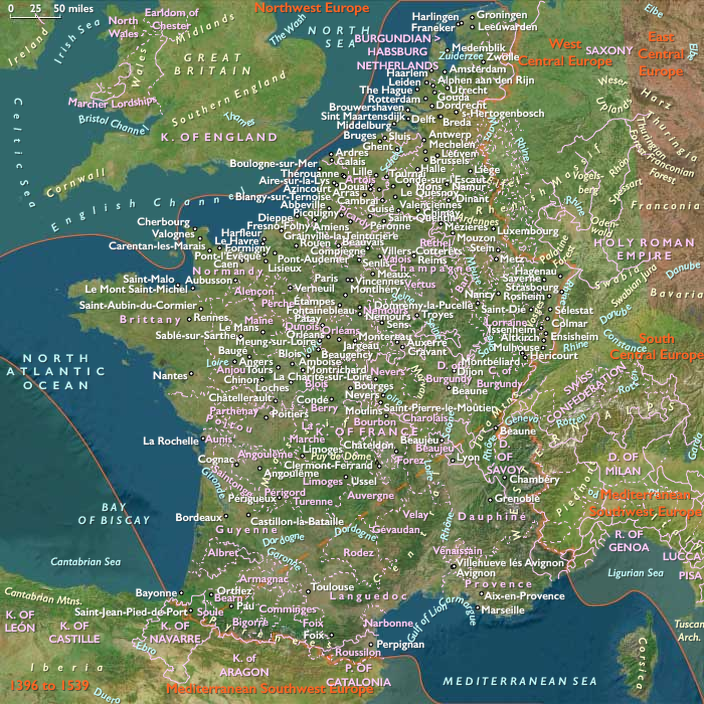
Amid the intricate web of power struggles that defined the reign of Charles VII of France, the undue influence and ambition of his chief minister, Georges de La Trémoille, ultimately led to instability and discord within the royal court. La Trémoille's tenure was characterized by corruption, manipulation, and ineffective leadership, drawing intense opposition from powerful nobles and officials. In June 1433, tensions culminated dramatically when Georges de La Trémoille was forcibly removed from power through a bold conspiracy led by Arthur de Richemont, Constable of France. Richemont and his supporters captured La Trémoille in Chinon, wounding him and detaining him until he agreed to resign.
This political upheaval had significant implications. Richemont's decisive action restored cohesion and authority to Charles VII's government, strengthening royal leadership. Militarily, it enabled a more unified response to the ongoing Hundred Years' War, notably improving France’s strategic position by revitalizing military operations against English-held territories. Economically, La Trémoille's fall reduced the rampant corruption draining the kingdom's resources, allowing for improved fiscal management and greater support from regional nobility.
This pivotal shift in royal authority paved the way for a more centralized and effective French monarchy under King Charles VII, eventually leading to the sustained military successes that characterized the latter stages of his reign.
Locations
Groups
Topics
Commodities
Subjects
Regions
West Europe
View →Subregions
