The Coronation of Charlemagne: The End of…
796 CE to 807 CE
The Coronation of Charlemagne: The End of Byzantine Dreams of Reunification (800)
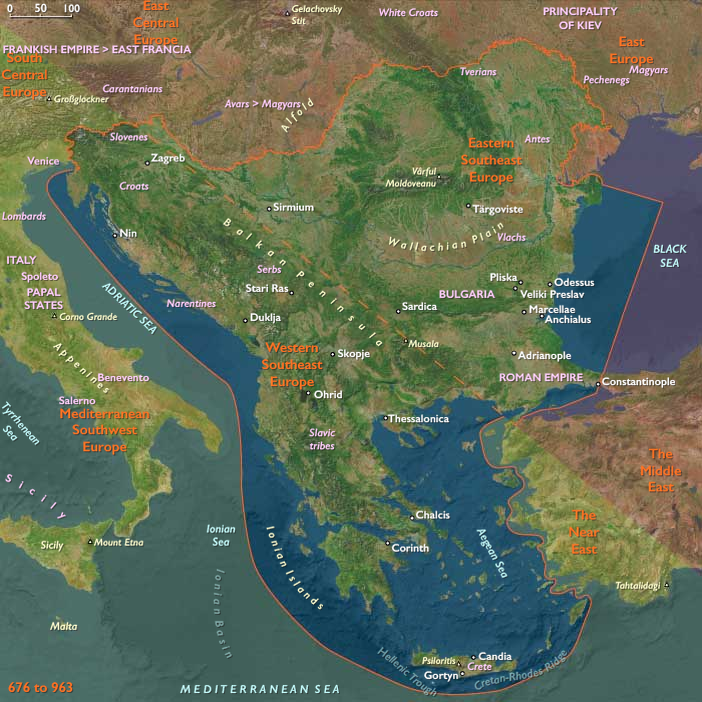
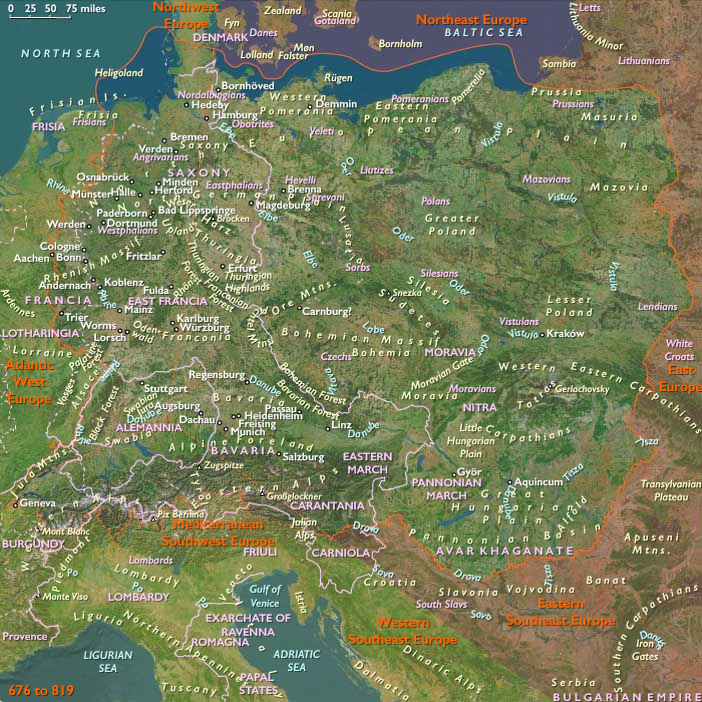
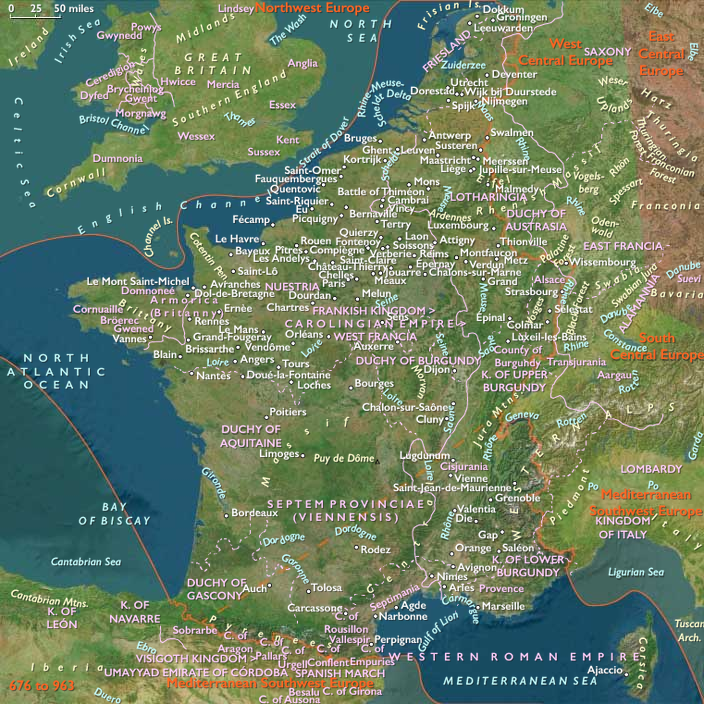
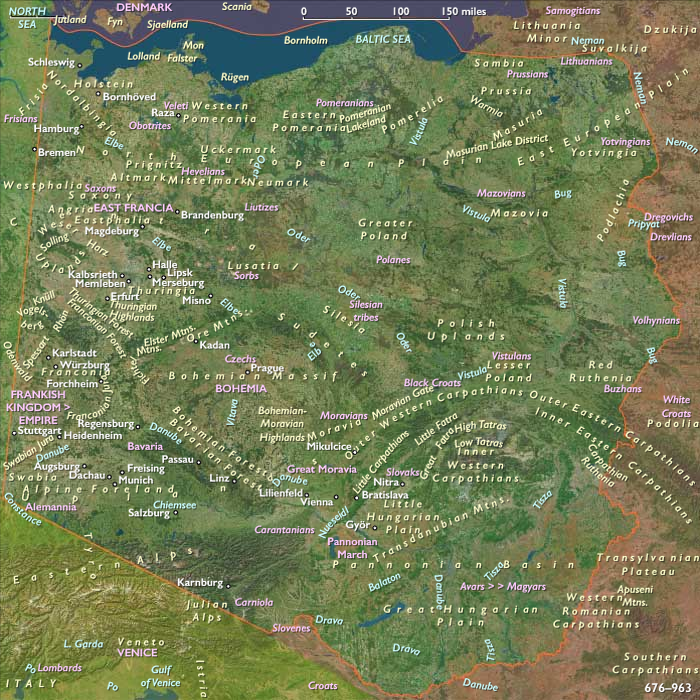
On Christmas Day, 800, in St. Peter’s Basilica in Rome, Pope Leo III crowns Charlemagne as "Augustus"—Roman Emperor, marking the symbolic restoration of the Western Roman Empire after more than three centuries of absence. This moment represents the final rupture of Byzantine aspirations to reunite the Latin West with the Greek East under Constantinople’s rule.
Theoretical Unity, Practical Division
In theory, Charlemagne’s coronation revives the Roman imperial tradition, creating a system with two emperors—one in the West and one in the East, echoing the division of the empire under Diocletian and later Theodosius I. However, the realities of power make this unity entirely superficial:
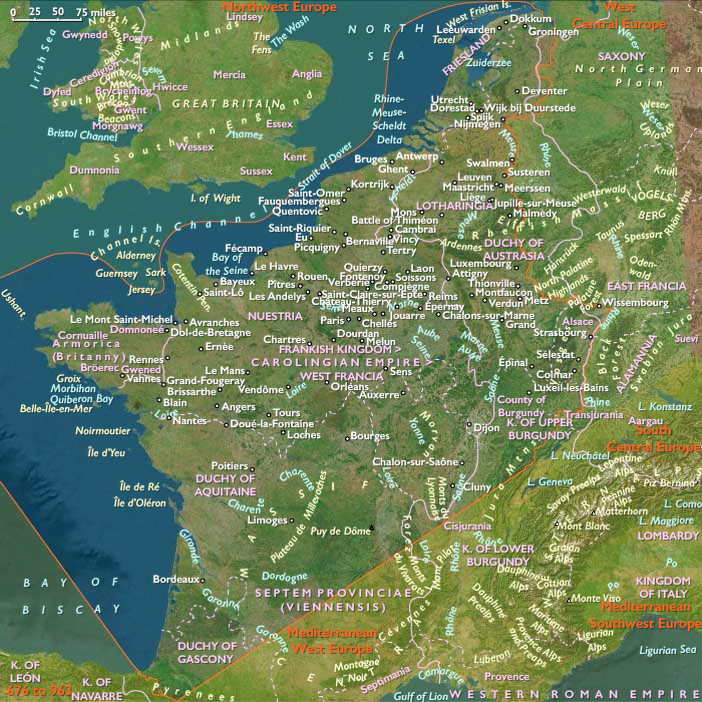
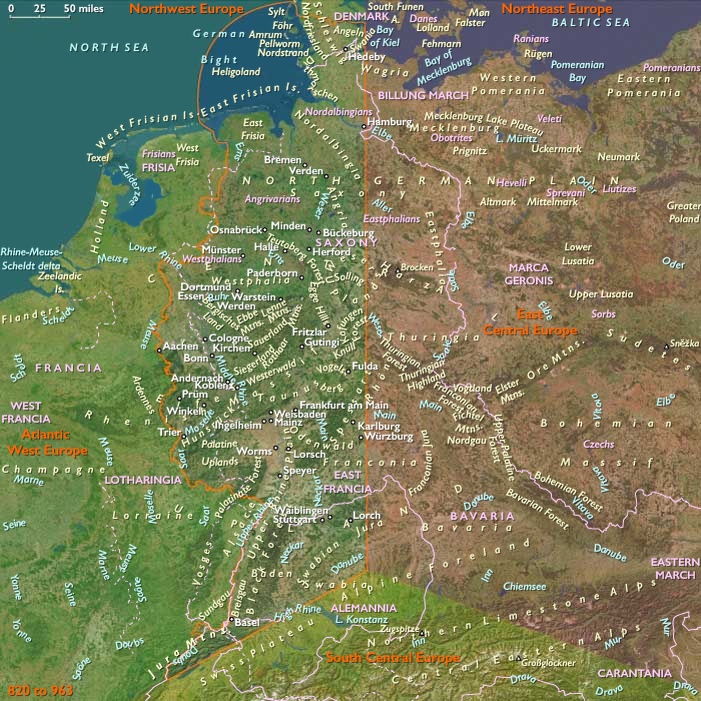
- Charlemagne does not rule from Rome, but from Aachen, the capital of his Carolingian empire.
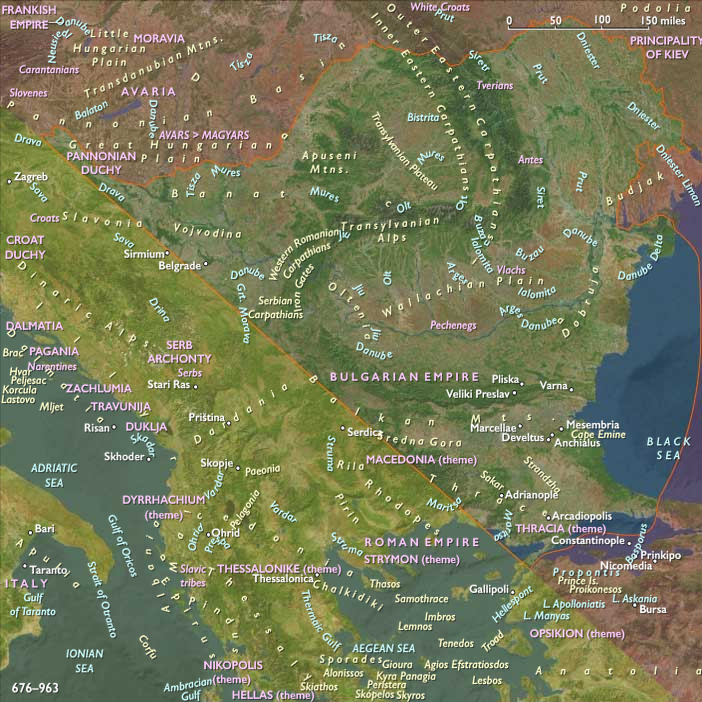
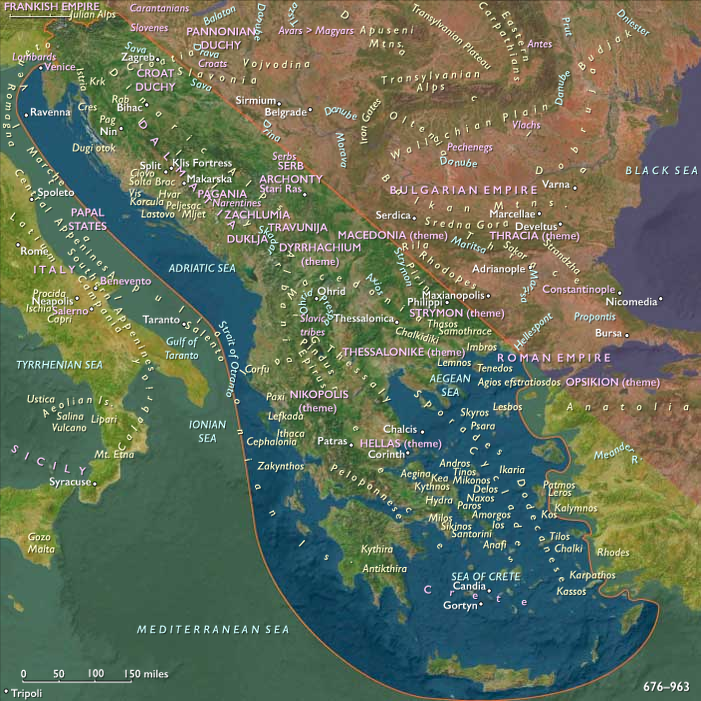
- The Eastern Roman Empire (Byzantium) continues to regard itself as the sole legitimate heir of Rome, viewing Charlemagne as a Germanic usurper rather than a true emperor.
- The Byzantines refuse to acknowledge Charlemagne’s imperial title, seeing it as a direct challenge to their authority over the Christian world.
Byzantine Reactions: From Outrage to Diplomacy
At first, the court of Constantinople, then under Empress Irene, outright rejects Charlemagne’s claim to imperial status. The Byzantines, steeped in their own imperial traditions, refuse to accept a barbarian ruler as an equal successor to the Caesars.
Over time, however, realpolitik prevails. In 812, Emperor Michael I Rangabe officially recognizes Charlemagne’s title, though only as Emperor of the Franks, carefully avoiding acknowledgment of him as a Roman emperor.
The Final Severance of East and West
Despite this reluctant recognition, Charlemagne’s coronation permanently ends Byzantine hopes of reclaiming the West. The event cements the division of Christendom into a Latin West and Greek East, laying the foundation for future tensions, including:
- The rivalry between the Holy Roman Empire and Byzantium in the medieval period.
- The deepening cultural and religious divisions that will culminate in the Great Schism of 1054.
- The assertion of papal authority in Western Europe, independent of Constantinople’s influence.
By crowning Charlemagne, Pope Leo III asserts that Western emperors no longer require the approval of the Eastern Roman emperor, shifting the balance of power permanently. Though Charlemagne’s empire will not long survive in its unified form, his coronation marks the definitive break between the Latin and Byzantine worlds—a break that will shape European history for centuries to come.