The Uncertain Transition Between the Second and Third Cholera Pandemics (1830s–1840s)
Thetimeline between the end of the Second Cholera Pandemic (1826–1837) and the beginning of the Third Cholera Pandemic (1839–1860)isnot universally agreed upon. Some sources suggest agradual decline of the second pandemic, while others argue thata new surge from Bengal in 1839marked thestart of the third pandemic.
Competing Interpretations of the Pandemic Transition
The Traditional View (Second Pandemic Ends in 1837, Third Begins in 1846)
Many historical epidemiological studiesdefine the Second Cholera Pandemic as ending by 1837, when cases inEurope, Africa, and the Americas subsided.
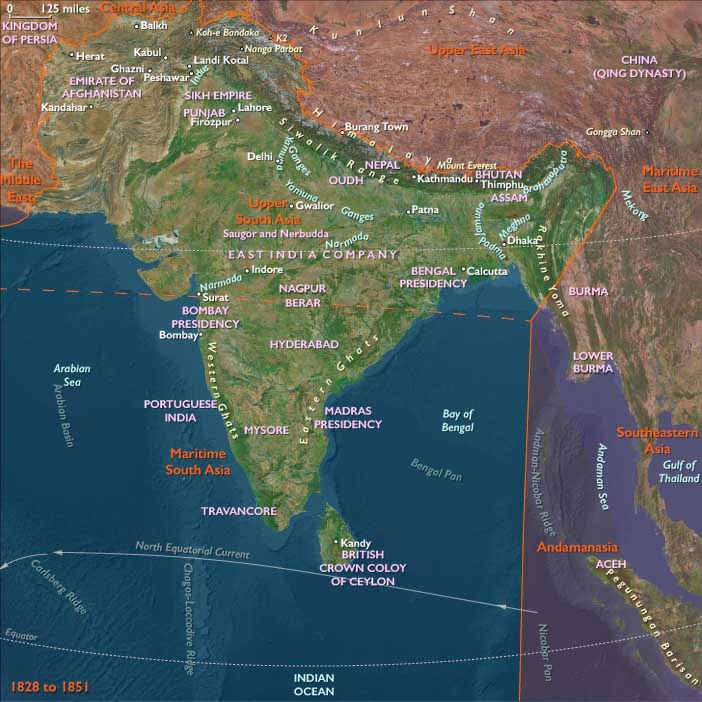
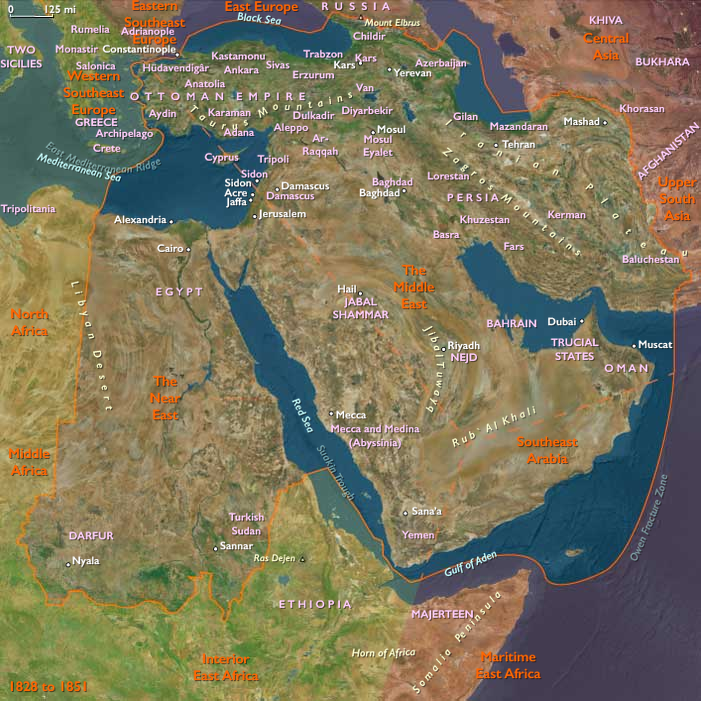
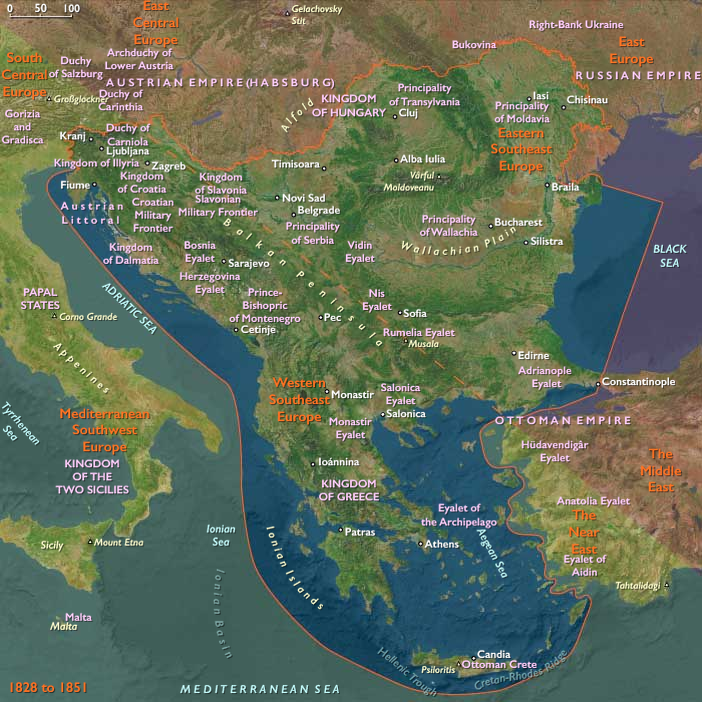
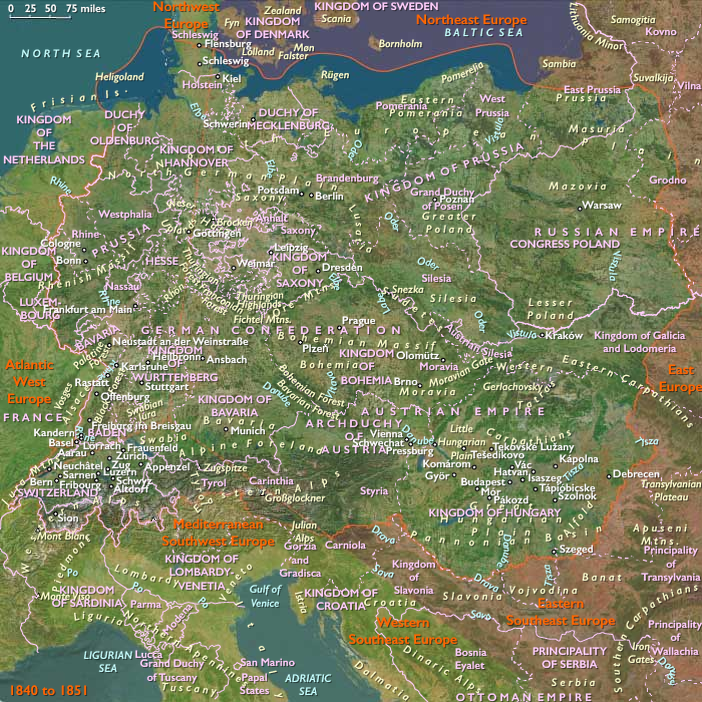
They identify thebeginning of the Third Cholera Pandemic around 1846, whena new global outbreak spread from Bengal to Russia, Iran, and Europe.
The Alternative View (A Bengal Surge in 1839 Marks the Third Pandemic)
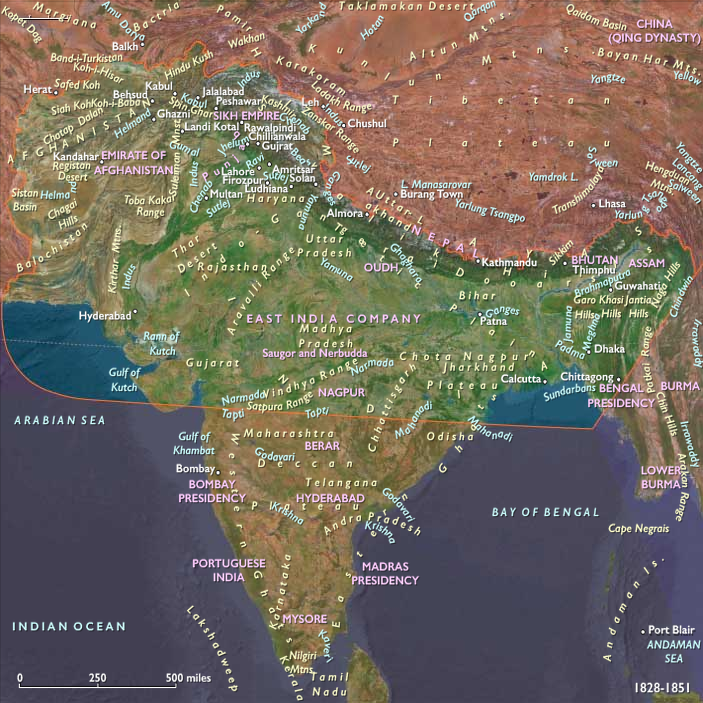
Some sources argue thatcholera never fully disappearedafter the second pandemic, anda surge from Bengal in 1839triggered anew wave of infections, making it thestart of the Third Cholera Pandemic.
This perspective suggests that choleraremained endemic in South Asia, withwaves of outbreaks periodically spilling into other regions.
What is Agreed Upon?
Regardless of the precise starting date, cholera remained a global threat throughout the 19th century, withrecurring outbreaks in Europe, the Middle East, Asia, and the Americas.
The19th century’s successive cholera pandemics led to significant developments in public health, including:
Quarantine measures.
Improvements in sanitation and water supply.
The eventualscientific discovery of cholera’s bacterial cause by John Snow in the 1850s.
Conclusion – A Pandemic Without Clear Borders
Because cholera remainedendemic in India and persisted in various regions,the transition between the Second and Third Cholera Pandemics is difficult to pinpoint with certainty. Whether1839or1846marks the start of the Third Cholera Pandemic, it is clear thatcholera was an ongoing global crisis throughout the 19th century, shaping public health policies worldwide.