The Fifth Cholera Pandemic (1883–1887): A Global…
1876 CE to 1887 CE
The Fifth Cholera Pandemic (1883–1887): A Global Health Crisis
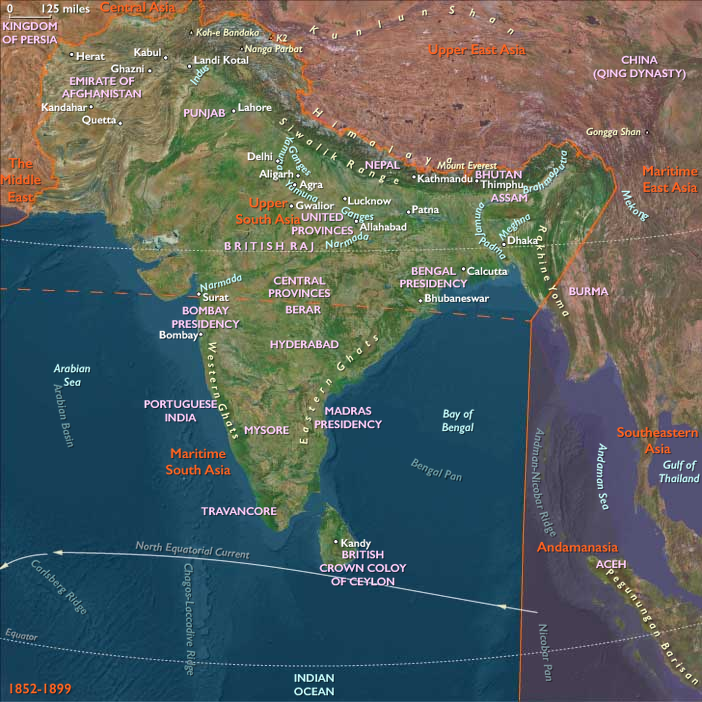
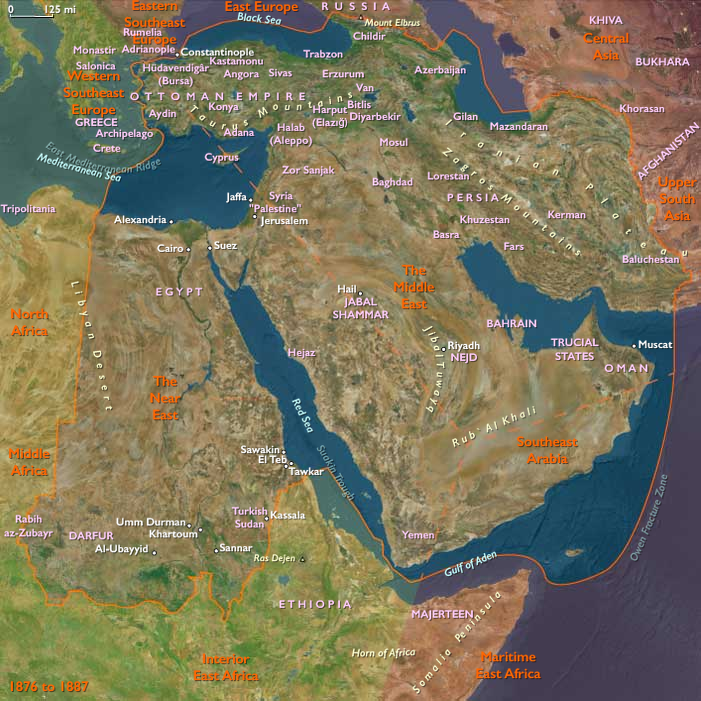
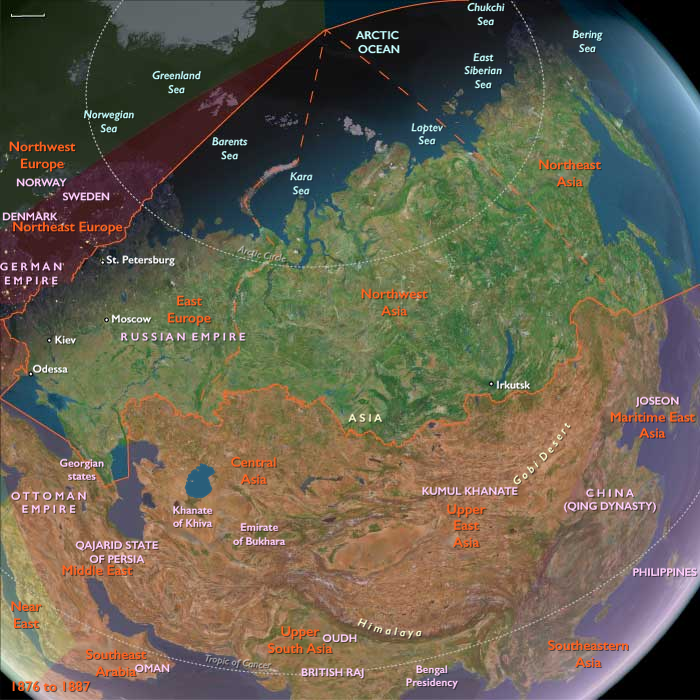
The Fifth Cholera Pandemic (1883–1887) was one of the most devastating outbreaks of the 19th century, claiming 250,000 lives in Europe and at least 50,000 in the Americas. Originating in India, as with previous pandemics, the disease spread along trade routes, reaching North Africa, the Middle East, and eventually Europe and the Americas.
The Spread and Impact of the Pandemic
-
Europe
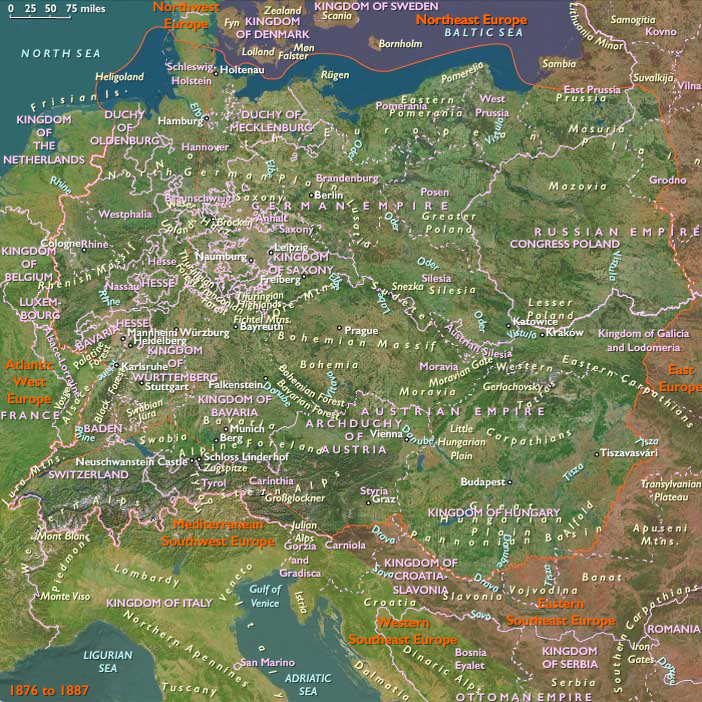
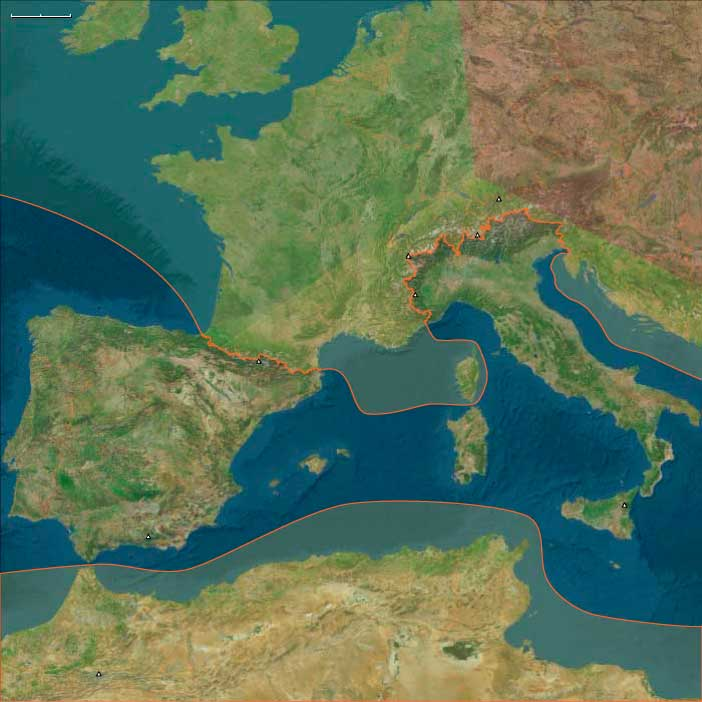
- The pandemic caused widespread fatalities in Spain, Italy, and France, with urban centers suffering the highest mortality rates.
- Improvements in sanitation and water filtration in countries like Britain and Germany helped mitigate the worst effects, but outbreaks still occurred.
-
The Americas
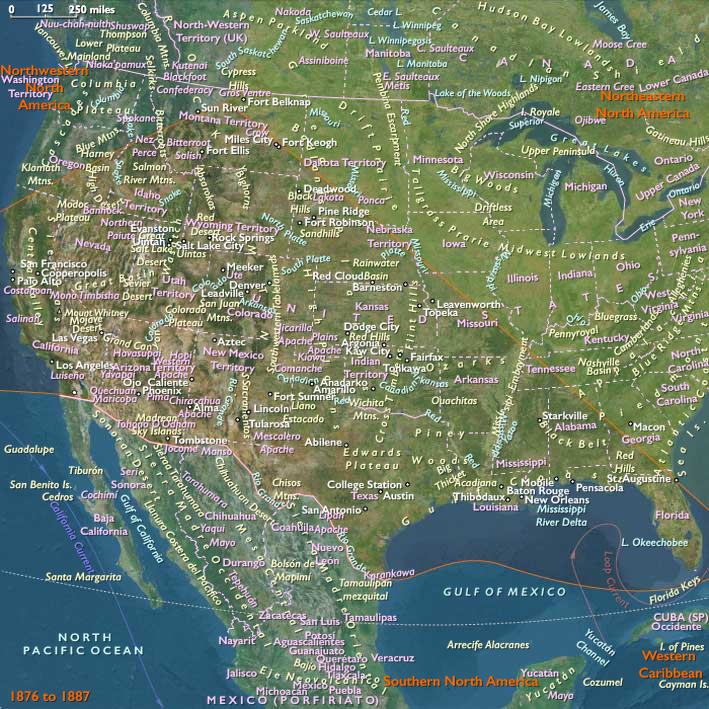
- South and Central America were hit particularly hard, with major outbreaks in Argentina, Brazil, and Mexico.
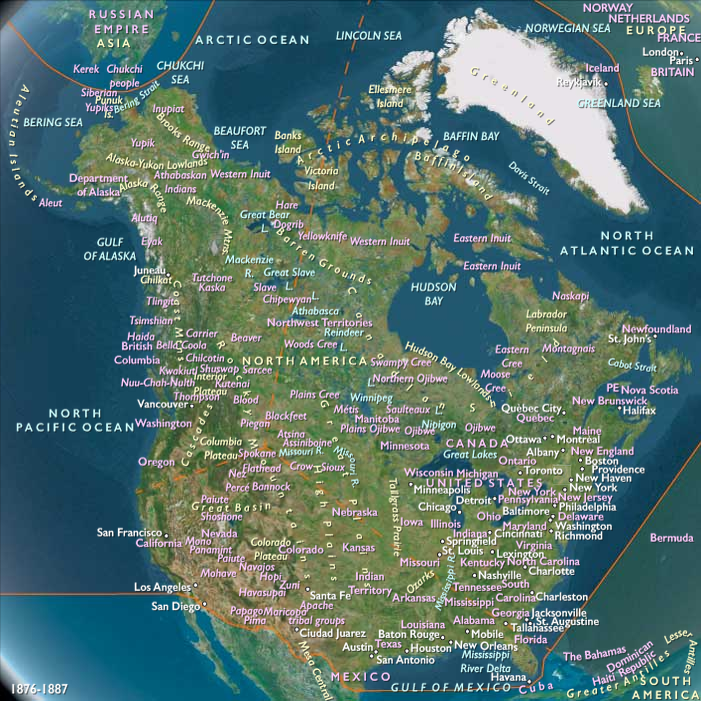
- In the United States, cities like New York and New Orleans experienced localized epidemics, prompting renewed public health reforms.
Scientific Breakthrough: Koch Identifies Vibrio cholerae
During this pandemic, German microbiologist Robert Koch made a landmark discovery in 1883, identifying the cholera bacterium (Vibrio cholerae) as the causative agent. This breakthrough laid the foundation for modern bacteriology and disease prevention, eventually leading to improvements in water sanitation, quarantine measures, and vaccination efforts in the decades that followed.
Legacy of the Fifth Cholera Pandemic
Although the 1883–1887 outbreak continued the devastating pattern of previous pandemics, it also marked a turning point in the scientific understanding of cholera. The realization that contaminated water was the primary transmission source spurred major public health initiatives, paving the way for the eventual decline of cholera epidemics in industrialized nations by the 20th century.
Subjects
Regions


Subregions
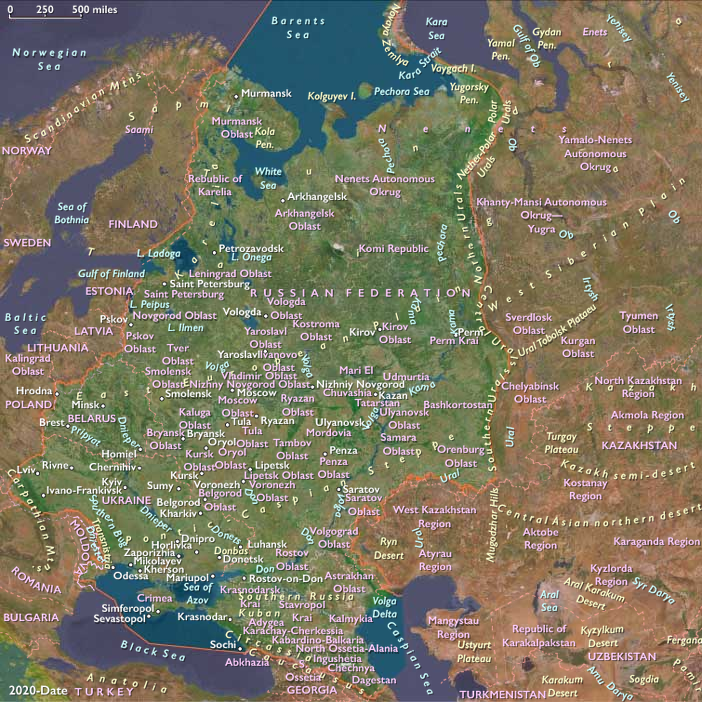
East Europe
View →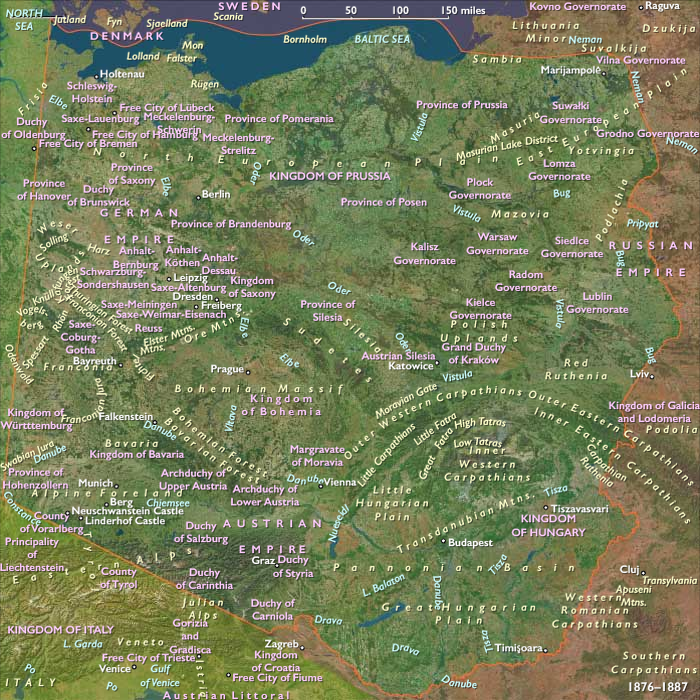
East Central Europe
View →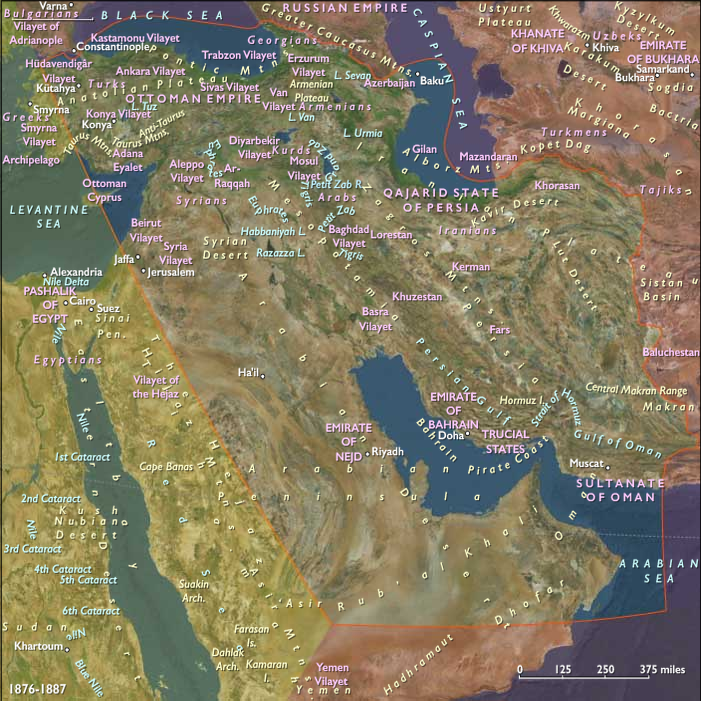
Middle East
View →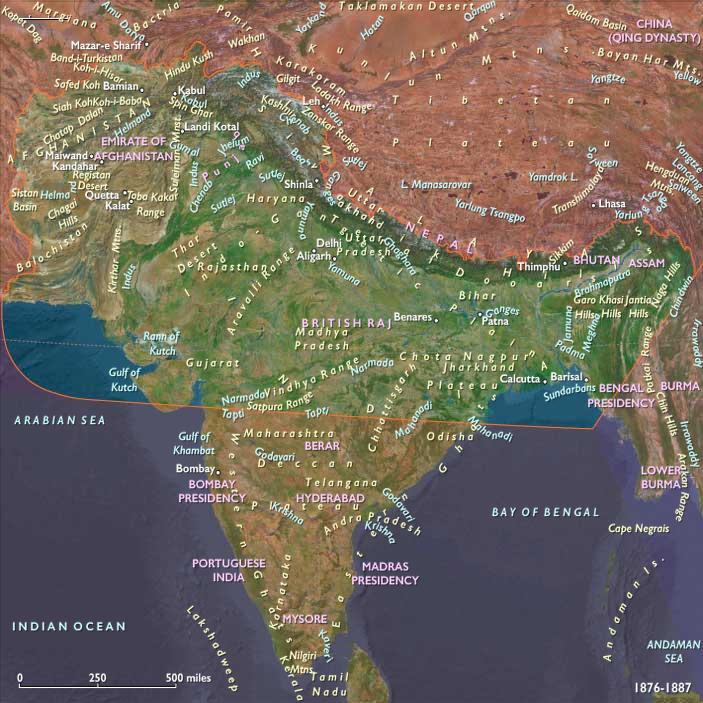
Upper South Asia
View →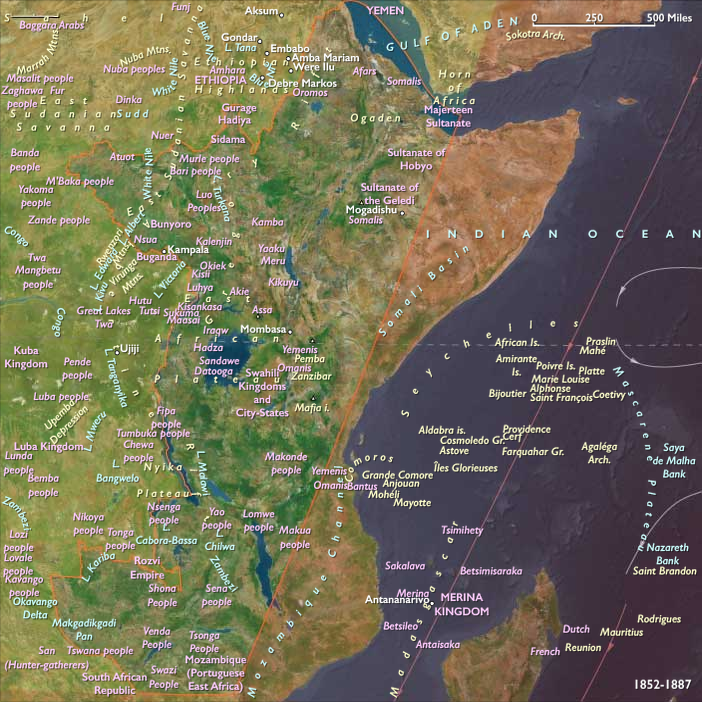
Interior East Africa
View →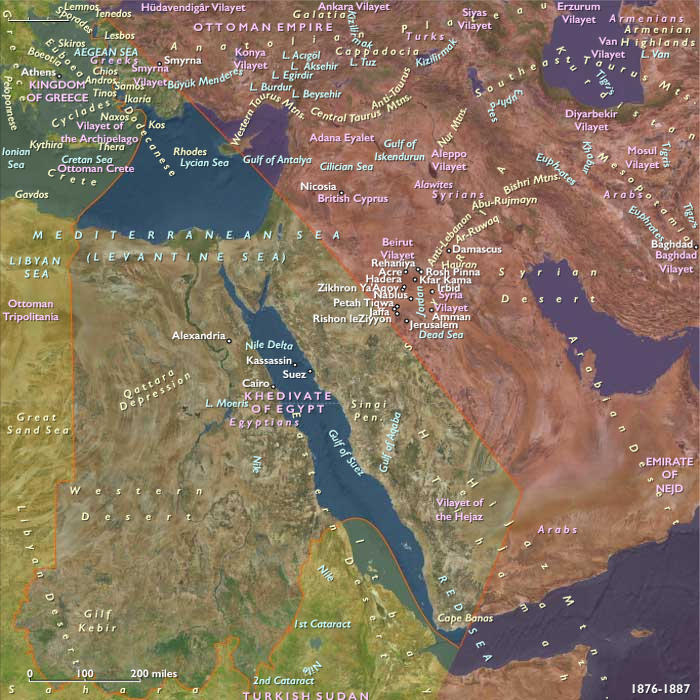
Near East
View →
Mediterranean Southwest Europe
View →
North Africa
View →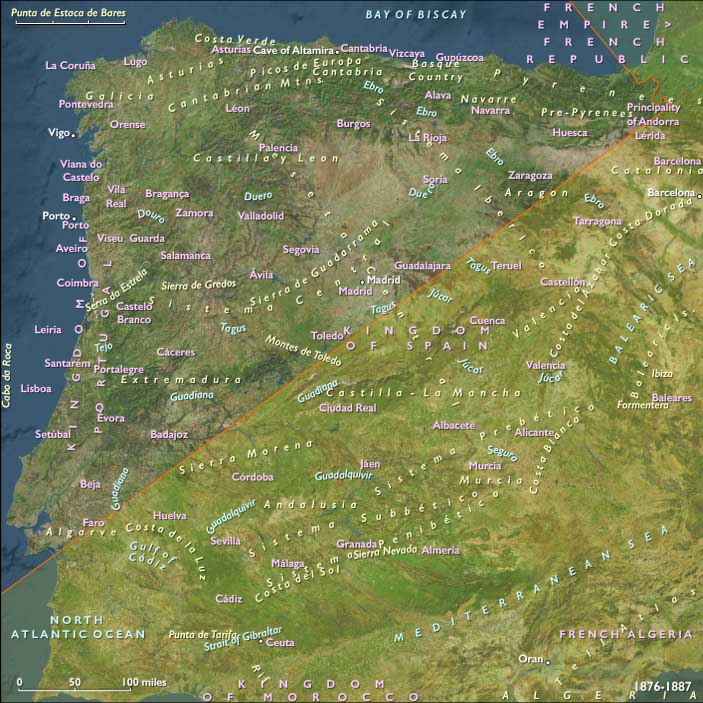
Atlantic Southwest Europe
View →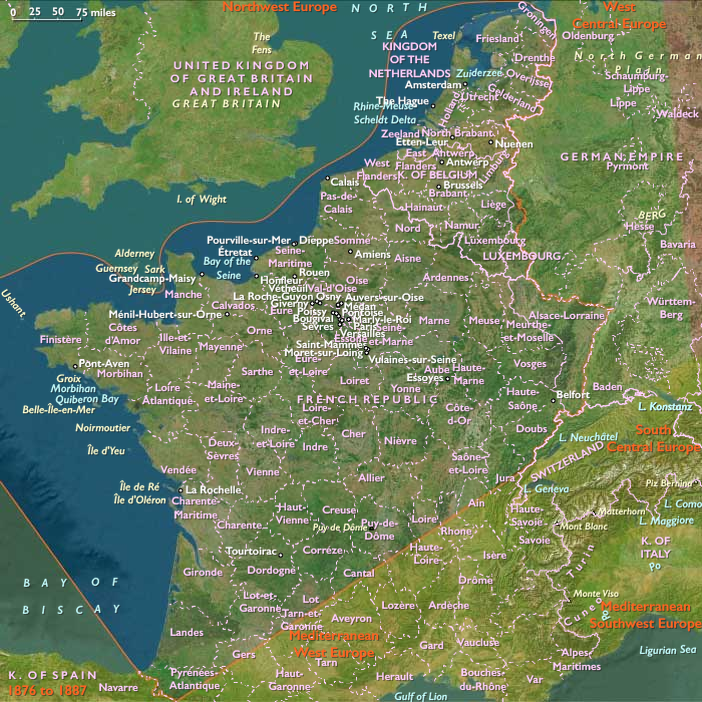
Atlantic West Europe
View →
West Central Europe
View →
Northwest Europe
View →
Northeastern North America
View →