The local clay of Deruta, a hill…
1500 CE
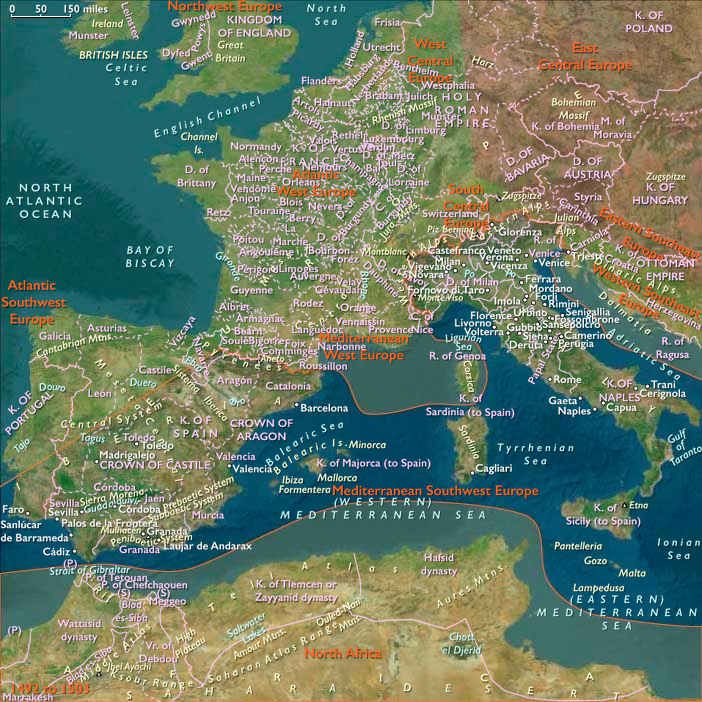
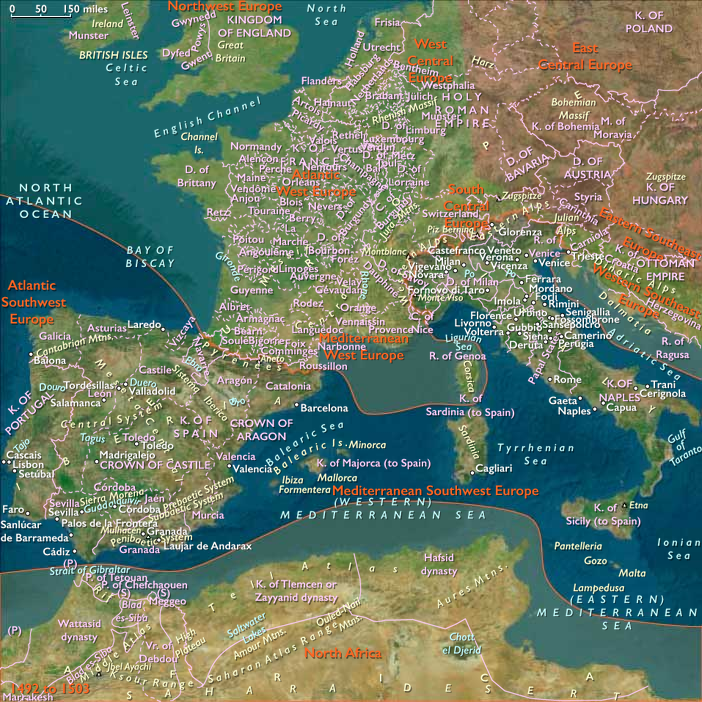
The local clay of Deruta, a hill town and comune in the Province of Perugia in the Umbria region of central Italy, is good for ceramics, whose production had begun in the Early Middle Ages, but finds its artistic peak in the fifteenth and early sixteenth century, with highly characteristic local styles, such as the "Bella Donna" plates with conventional portraits of beauties, whose names appear on fluttering banderoles with flattering inscriptions.
The lack of fuel enforces low firing temperatures, but from the beginning of the sixteenth century, Deruta compensates with its metallic luster glazes in golds and ruby reds.
Noted for its stylized portrait heads and figures, the majolica of Deruta is apparently the first Italian ware to adopt, in about 1500, the Valencian technique of using luster glazes to produce metallic and iridescent effects.
Deruta’s relief-molded wares are designed to enhance the brilliance of the iridescence.
Locations
Topics
Commodities
Regions
Southwest Europe
View →Subregions