
East Europe (909 BCE – 819 …
Years: 909BCE - 819
East Europe (909 BCE – 819 CE) Early Iron and Antiquity — Scythian–Sarmatian Steppe, Greek Ports, Balts & Finno-Ugric Forests, and Early Slavs
Geographic and Environmental Context
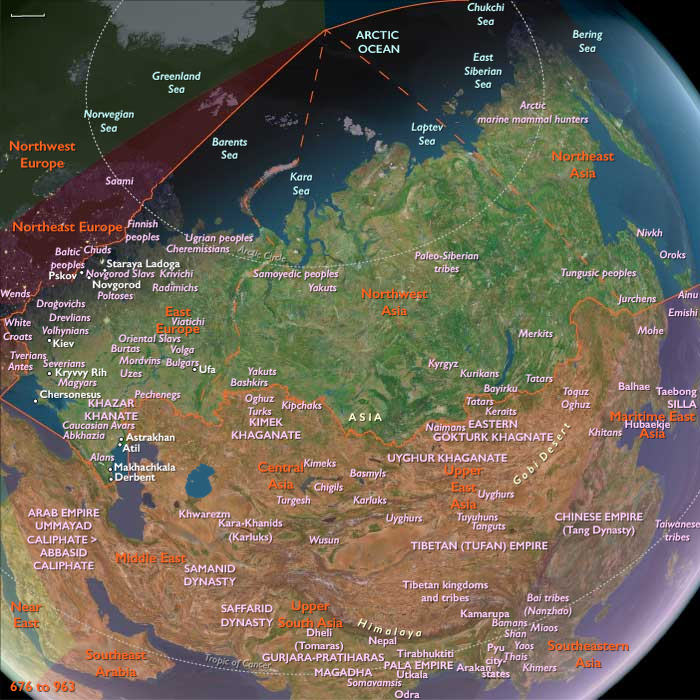
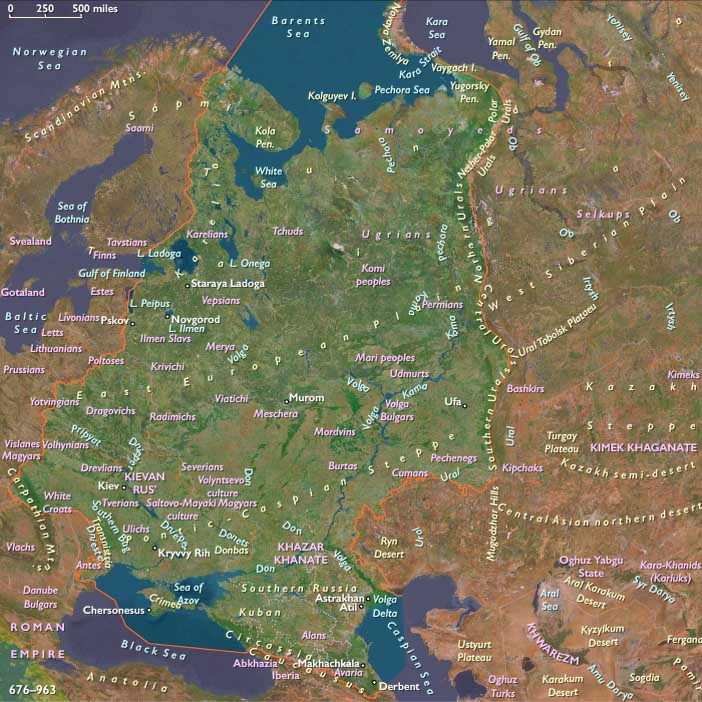
East Europe includes Belarus, Ukraine, and European Russia west of the Urals (including the forest, forest-steppe, and steppe zones and the Russian republics west of the Urals).
-
Anchors: Scythian Pontic steppe (Lower Dnieper–Don), Taurica/Crimea Greek ports (Olbia, Chersonesus, Bosporus), Sarmatian Lower Volga–Don, Balts on the Upper Dvina–Neman, Finno-Ugric Volga–Oka forests, and the forest-steppe of Kyiv–Chernihiv.
Climate & Environmental Shifts
-
First-millennium variability; steppe aridity pulses alternated with good pasture years; rivers remained trade arteries.
Societies & Political Developments
-
Scythians (7th–3rd c. BCE) dominated Pontic steppe; later Sarmatians (3rd c. BCE–3rd c. CE) advanced from the east.
-
Greek colonies flourished along the Black Sea coast, brokering grain, slaves, and crafts.
-
Forest zone: Balts consolidated; Finno-Ugric groups (Merya, Muroma, Mari ancestors) sustained fishing–hunting and garden plots.
-
Przeworsk–Zarubintsy and later Chernyakhiv cultural spheres in the forest-steppe bridged steppe and Carpathians.
-
Gothic and Hunnic incursions (3rd–5th c. CE) reshaped steppe polities; Avars skirted the Carpathians; Khazars(7th–10th c.) organized lower Volga–Don tribute (Saltovo–Mayaki culture).
-
Volga Bulgars formed on the middle Volga (7th–10th c.); Early Slavs (Prague–Korchak, Pen’kovka) spread through Dnieper–Bug–Pripet basins (5th–7th c.), foreshadowing Rus’.
Economy & Trade
-
Steppe exported horses, hides, slaves; imported Greek wine/oil, metal goods; Greek ports shipped grain from forest-steppe.
-
Forest traded furs, wax, honey via Dvina–Volga–Dnieper; Khazar and Bulgar routes taxed Volga traffic to the Caspian.
Technology & Material Culture
-
Iron weaponry; saddles and stirrups (late); composite bows; Greek ceramics/coins; hillfort gorodishcha with ramparts; black-burnished and wheel-made wares in late centuries.
Belief & Symbolism
-
Sky-god/Tengri and ancestor cults among steppe riders; Greek polytheism then Christianity in ports; Zoroastrian, Jewish, Christian, Muslim minorities under Khazars; forest animisms persisted.
-
Kurgan art (animal style), Greek funerary stelae, and forest-zone ritual pits coexisted.
Environmental Adaptation & Resilience
-
Pastoral nomadism tracked pasture cycles; mixed farming in forest-steppe stabilised grain; river/port networks re-routed trade during wars.
Legacy & Transition
By 819 CE, East Europe was a braided frontier: Scythian–Sarmatian legacies, Greek–Khazar–Bulgar economic lattices, Balto-Finnic forests, and Early Slavs in the Dnieper–Pripet. The political and economic scaffolding for Kyivan Rus’ (emerging in the 9th century) and later medieval polities was in place.
Groups
- Slavs, Proto-
- Cimmerians
- Scythians, or Sakas
- Greeks, Classical
- Sarmatians
- Goths (East Germanic tribe)
- Huns
- Crimean Goths (East Germanic tribe)
- Hunnic Empire
- Slavs, East
- Khazar Khanate
- Bulgaria, “the Old Great “, (Onogur) Khaganate of
- Khazar Khaganate
- Roman Empire, Eastern: Isaurian dynasty
- Varangians
- Roman Empire, Eastern: Nikephorian dynasty
- Roman Empire, Eastern: Non-dynastic
Topics
Commodoties
- Fish and game
- Weapons
- Hides and feathers
- Glass
- Domestic animals
- Oils, gums, resins, and waxes
- Grains and produce
- Strategic metals
- Slaves
- Sweeteners
- Beer, wine, and spirits
- Manufactured goods
Subjects
Regions
Subregions
Years: 909BCE - 819
Groups
- Slavs, Proto-
- Cimmerians
- Scythians, or Sakas
- Greeks, Classical
- Sarmatians
- Goths (East Germanic tribe)
- Huns
- Crimean Goths (East Germanic tribe)
- Hunnic Empire
- Slavs, East
- Khazar Khanate
- Bulgaria, “the Old Great “, (Onogur) Khaganate of
- Khazar Khaganate
- Roman Empire, Eastern: Isaurian dynasty
- Varangians
- Roman Empire, Eastern: Nikephorian dynasty
- Roman Empire, Eastern: Non-dynastic
Topics
Commodoties
- Fish and game
- Weapons
- Hides and feathers
- Glass
- Domestic animals
- Oils, gums, resins, and waxes
- Grains and produce
- Strategic metals
- Slaves
- Sweeteners
- Beer, wine, and spirits
- Manufactured goods
Subjects
Regions
Subregions