Event
The Cataclysmic Eruption of 1257 and Its…
The Cataclysmic Eruption of 1257 and Its Global Consequences
In January 1257, one of the largest volcanic eruptions of the Holocene epoch occurred, likely originating from a tropical volcano. While the precise location remains debated, candidates include El Chichón in Mexico and Quilotoa in Ecuador. More recent studies suggest the Samalas volcano on Lombok Island, Indonesia, as the most probable source, based on tephra deposits, ice-core sulfate layers, and historical Javanese records.
The eruption had profound climatic and societal repercussions across Europe and beyond. Contemporary accounts describe:
- A persistent dry fog over France, likely caused by sulfate aerosols in the atmosphere.
- Unusual lunar eclipses observed in England, likely due to volcanic ash veiling the moon.
- A severe winter across Europe, consistent with global cooling effects following major eruptions.
- A harsh spring recorded in Northern Iceland, indicative of climatic disruptions.
- Famine in England, Western Germany, France, and Northern Italy, linked to crop failures and shortened growing seasons.
- Pestilence in London, France, Austria, Iraq, Syria, and southeastern Turkey, possibly exacerbated by malnutrition and weakened immune defenses.
This event is now recognized as a precursor to the Great Famine of 1315–1317, highlighting the vulnerability of medieval societies to climate anomalies. The eruption of 1257, along with later volcanic events, contributed to the broader climatic shifts of the Little Ice Age (c. 1300–1850), reshaping European and global history.
-
{# Image navigates to the detail page; the magnifying-glass chip is the only Fancybox lightbox trigger (kept a separate sibling — anchors can't nest). #}
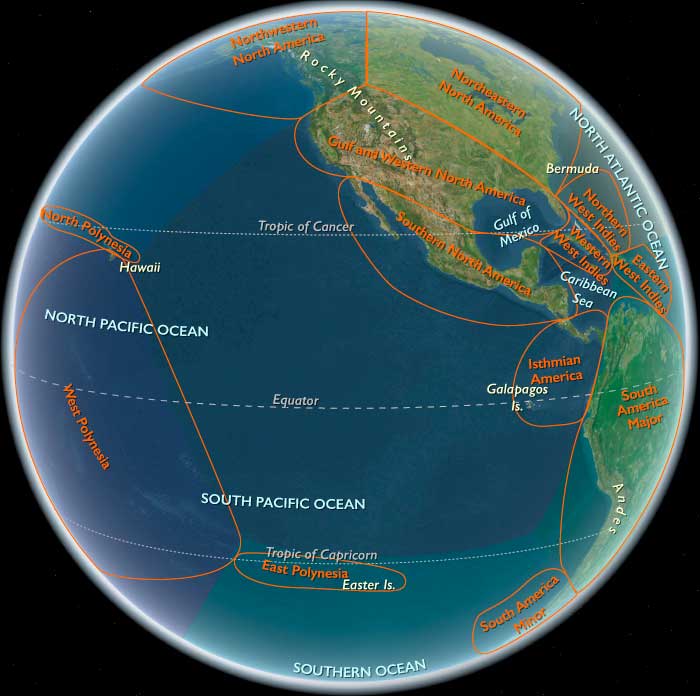
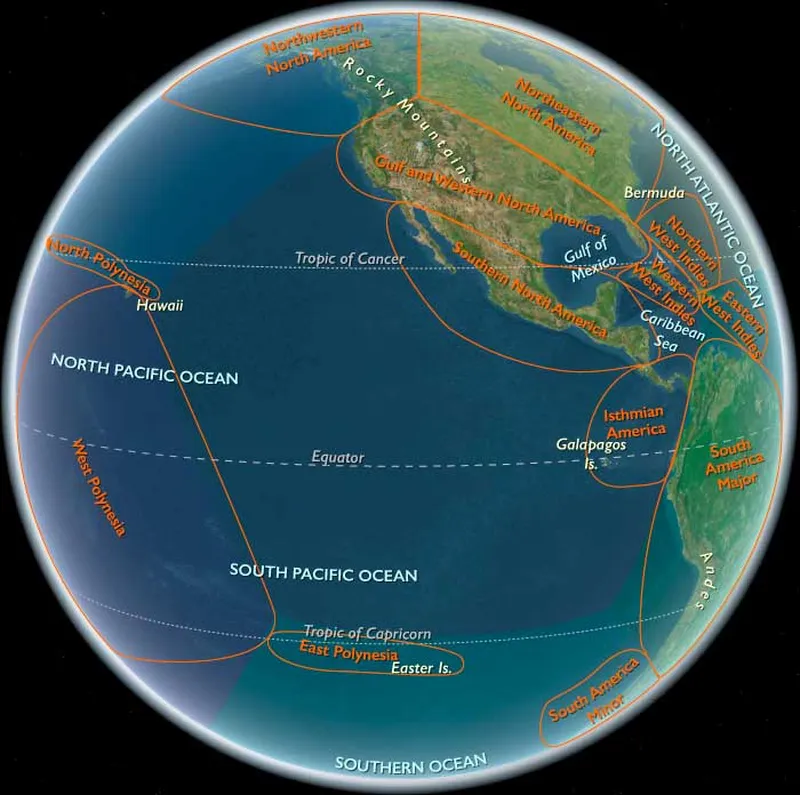 The Far West
World
-
{# Image navigates to the detail page; the magnifying-glass chip is the only Fancybox lightbox trigger (kept a separate sibling — anchors can't nest). #}
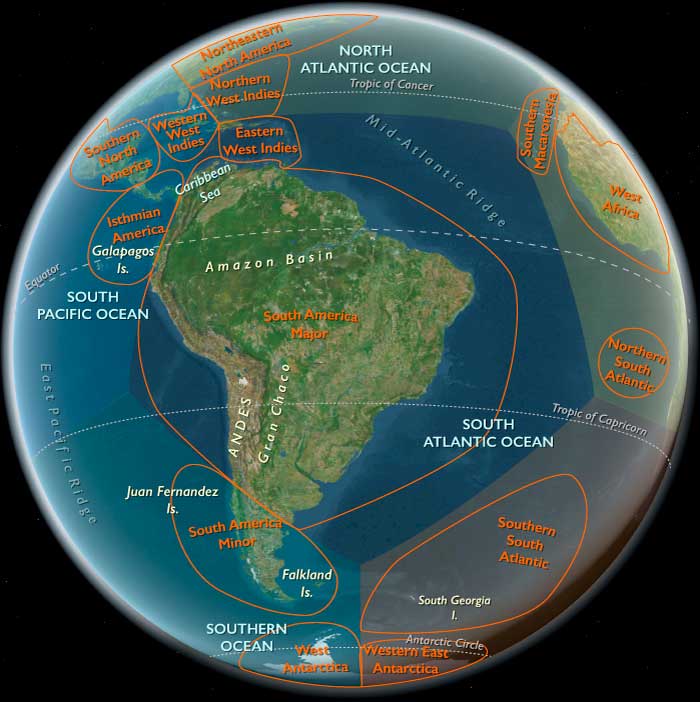
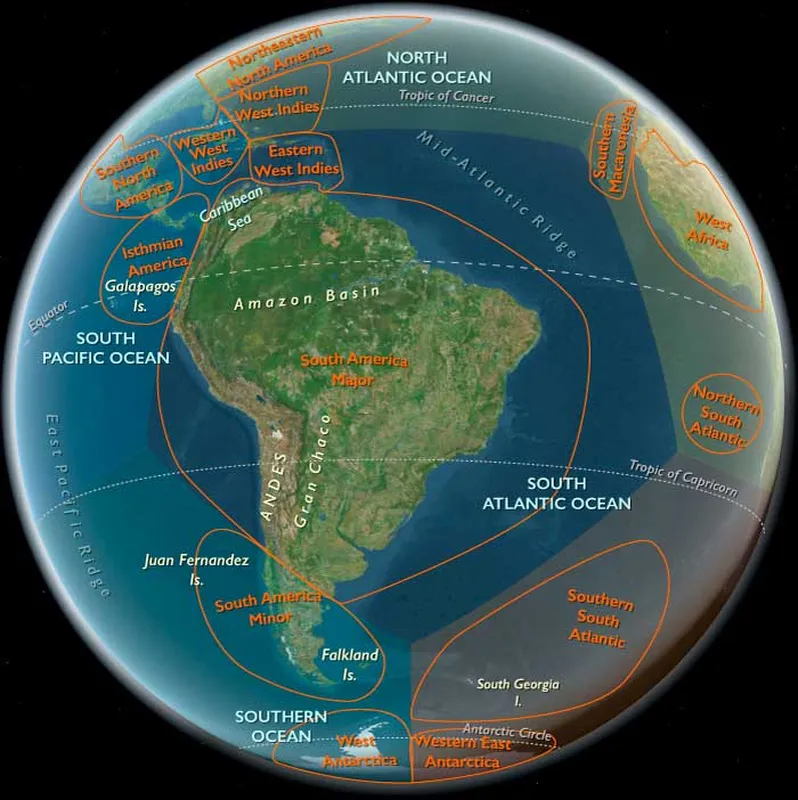 South America and The Eastern Isles
World
-
{# Image navigates to the detail page; the magnifying-glass chip is the only Fancybox lightbox trigger (kept a separate sibling — anchors can't nest). #}
 The North Atlantic Lands
World
-
{# Image navigates to the detail page; the magnifying-glass chip is the only Fancybox lightbox trigger (kept a separate sibling — anchors can't nest). #}
 The Great Crossroads
World
-
{# Image navigates to the detail page; the magnifying-glass chip is the only Fancybox lightbox trigger (kept a separate sibling — anchors can't nest). #}
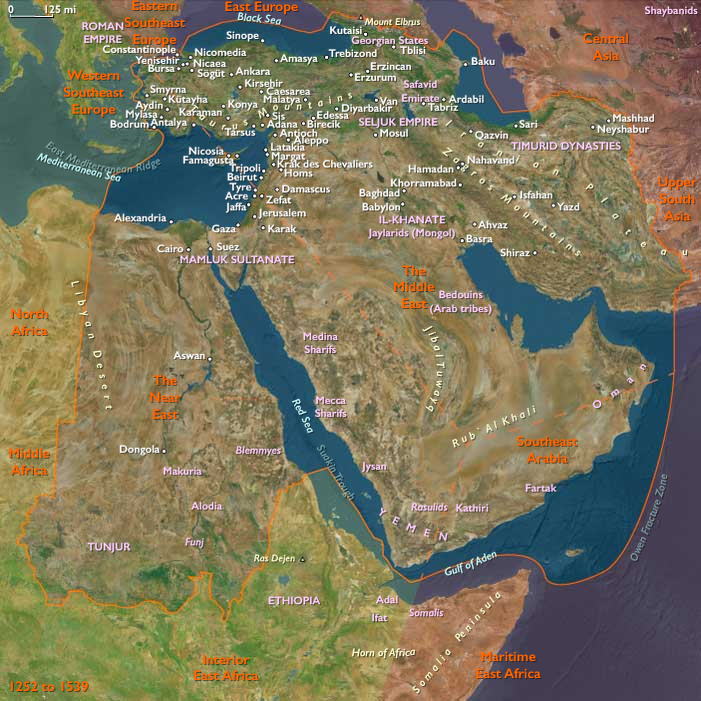 The Near and Middle East
Region
-
{# Image navigates to the detail page; the magnifying-glass chip is the only Fancybox lightbox trigger (kept a separate sibling — anchors can't nest). #}
 Central Europe
Region
-
{# Image navigates to the detail page; the magnifying-glass chip is the only Fancybox lightbox trigger (kept a separate sibling — anchors can't nest). #}
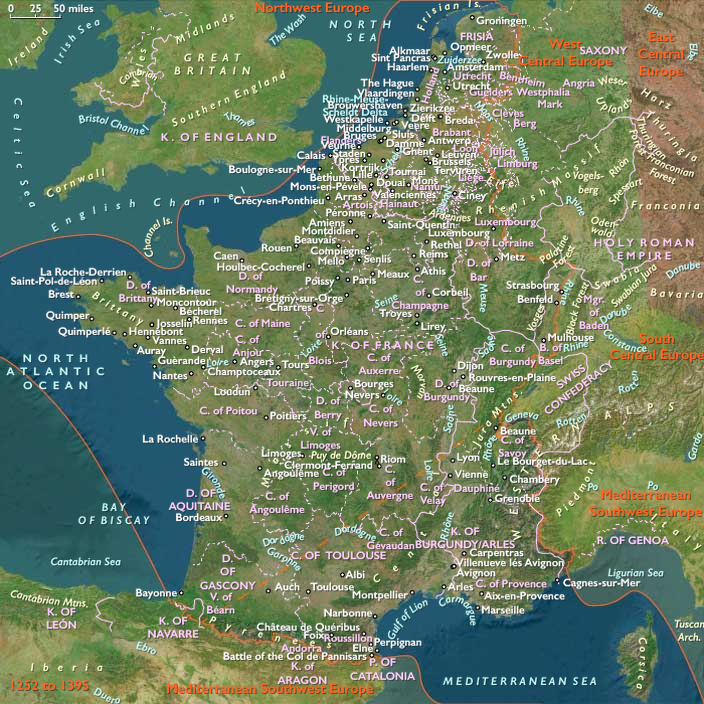 West Europe
Region
-
{# Image navigates to the detail page; the magnifying-glass chip is the only Fancybox lightbox trigger (kept a separate sibling — anchors can't nest). #}
 North Europe
Region
-
{# Image navigates to the detail page; the magnifying-glass chip is the only Fancybox lightbox trigger (kept a separate sibling — anchors can't nest). #}
 Southwest Europe
Region
-
{# Image navigates to the detail page; the magnifying-glass chip is the only Fancybox lightbox trigger (kept a separate sibling — anchors can't nest). #}
 South America
Region
-
{# Image navigates to the detail page; the magnifying-glass chip is the only Fancybox lightbox trigger (kept a separate sibling — anchors can't nest). #}
 Middle America
Region
-
{# Image navigates to the detail page; the magnifying-glass chip is the only Fancybox lightbox trigger (kept a separate sibling — anchors can't nest). #}
 East Central Europe
Subregion
-
{# Image navigates to the detail page; the magnifying-glass chip is the only Fancybox lightbox trigger (kept a separate sibling — anchors can't nest). #}
 Middle East
Subregion
-
{# Image navigates to the detail page; the magnifying-glass chip is the only Fancybox lightbox trigger (kept a separate sibling — anchors can't nest). #}
 Mediterranean West Europe
Subregion
-
{# Image navigates to the detail page; the magnifying-glass chip is the only Fancybox lightbox trigger (kept a separate sibling — anchors can't nest). #}
 Mediterranean Southwest Europe
Subregion
-
{# Image navigates to the detail page; the magnifying-glass chip is the only Fancybox lightbox trigger (kept a separate sibling — anchors can't nest). #}
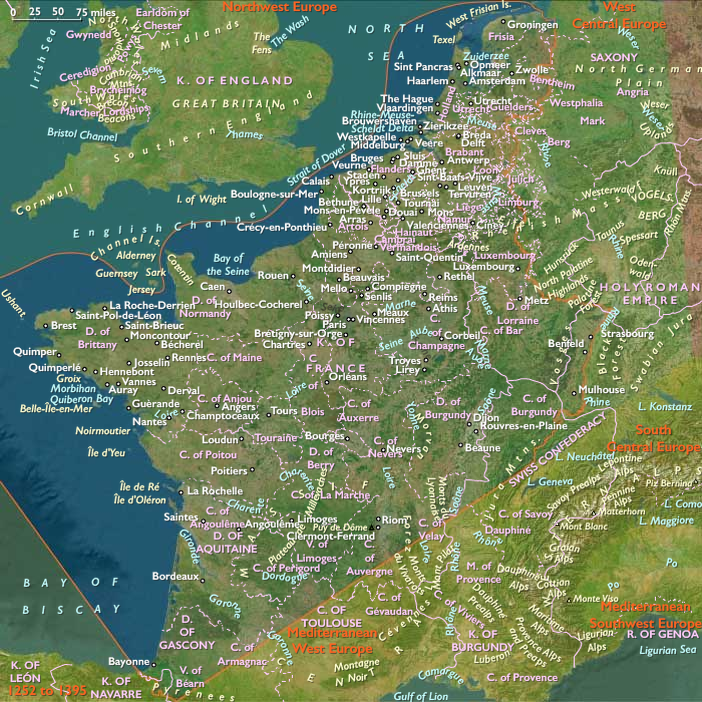 Atlantic West Europe
Subregion
-
{# Image navigates to the detail page; the magnifying-glass chip is the only Fancybox lightbox trigger (kept a separate sibling — anchors can't nest). #}
 West Central Europe
Subregion
-
{# Image navigates to the detail page; the magnifying-glass chip is the only Fancybox lightbox trigger (kept a separate sibling — anchors can't nest). #}
 Northwest Europe
Subregion
-
{# Image navigates to the detail page; the magnifying-glass chip is the only Fancybox lightbox trigger (kept a separate sibling — anchors can't nest). #}
 South America Major
Subregion
-
{# Image navigates to the detail page; the magnifying-glass chip is the only Fancybox lightbox trigger (kept a separate sibling — anchors can't nest). #}
 Southern North America
Subregion