Event
The Height of Feudalism in Medieval Europe:…
The Height of Feudalism in Medieval Europe: Fragmentation and Lordship
During the High Middle Ages, feudalism reached its most pervasive and structured form across Western Europe. This hierarchical system, rooted in land tenure and reciprocal obligations, shaped medieval governance, economy, and military organization. While feudal relationships existed in earlier centuries, it was between the 11th and 13th centuries that feudalism became the dominant framework, particularly in the Frankish successor states, England, and the Holy Roman Empire.
The Foundations of Feudal Society
Feudalism was built on a system of vassalage, where land (fiefs) was granted by a lord to a vassal in exchange for military service, counsel, and loyalty. This arrangement created a complex web of obligations, leading to the decentralization of power as local lords accumulated authority over their own domains, often at the expense of monarchs.
The system was characterized by:
- Fiefs and Vassalage – Lords granted land to knights and noble vassals, who in turn pledged service, usually in the form of military aid.
- Subinfeudation – Many vassals further divided their fiefs among sub-vassals, leading to an increasingly fragmented and hierarchical structure.
- Manorialism – The economic backbone of feudal society, where serfs and peasants worked the land in exchange for protection, giving lords control over agrarian production.
Fragmentation and the Rise of Local Lordship
As petty fiefs proliferated, Europe became a patchwork of feudal domains, with local counts, dukes, and baronsoften wielding more power than central monarchies. This was particularly evident in:
- France, where the Capetian kings struggled against the vast territorial holdings of powerful vassals like the Dukes of Normandy and Counts of Anjou.
- Germany, where the Holy Roman Emperor relied on semi-independent princes, leading to a decentralized imperial structure.
- Italy, where city-states and noble families exercised authority in the absence of strong central rule.
- England, where feudalism was more regulated following the Norman Conquest (1066), creating a structured relationship between the king, barons, and knights.
The Long-Term Impact of Feudalism
Though feudalism provided military and economic stability, its emphasis on localized power and hereditary privilege limited the development of centralized states. However, over time, royal authority expanded, especially as kings sought to reclaim power through taxation, legal reforms, and standing armies, laying the groundwork for the decline of feudal structures by the 14th and 15th centuries.
Feudalism remained the dominant order for centuries, shaping the social hierarchy, warfare, and governance of medieval Europe and influencing later developments in monarchical rule and state-building.
-
{# Image navigates to the detail page; the magnifying-glass chip is the only Fancybox lightbox trigger (kept a separate sibling — anchors can't nest). #}
 The North Atlantic Lands
World
-
{# Image navigates to the detail page; the magnifying-glass chip is the only Fancybox lightbox trigger (kept a separate sibling — anchors can't nest). #}
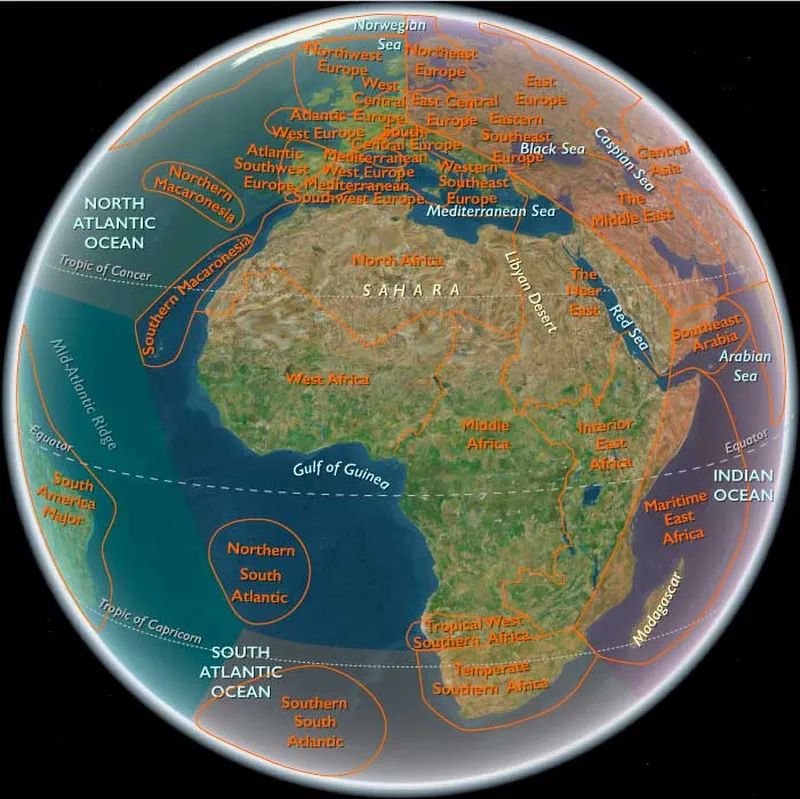 The Middle of The Earth
World
-
{# Image navigates to the detail page; the magnifying-glass chip is the only Fancybox lightbox trigger (kept a separate sibling — anchors can't nest). #}
 The Great Crossroads
World
-
{# Image navigates to the detail page; the magnifying-glass chip is the only Fancybox lightbox trigger (kept a separate sibling — anchors can't nest). #}
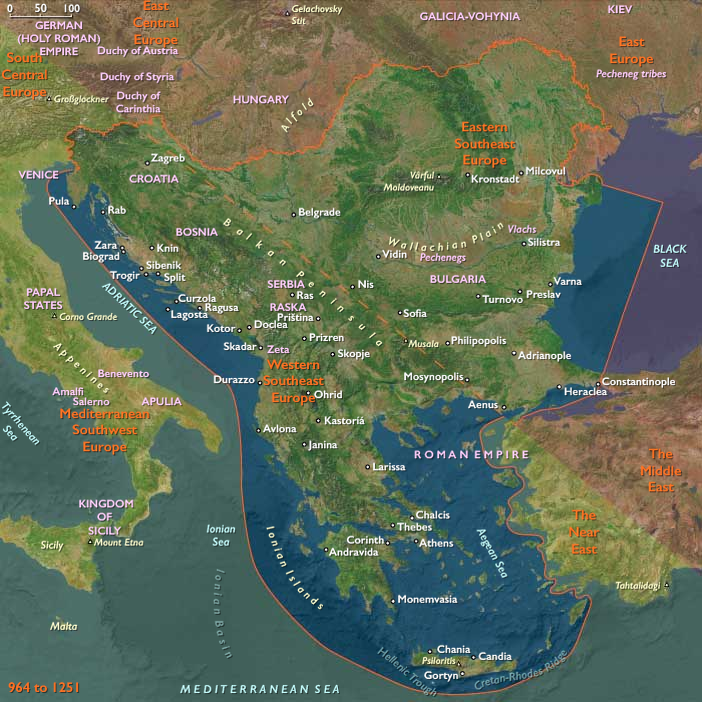 Southeast Europe
Region
-
{# Image navigates to the detail page; the magnifying-glass chip is the only Fancybox lightbox trigger (kept a separate sibling — anchors can't nest). #}
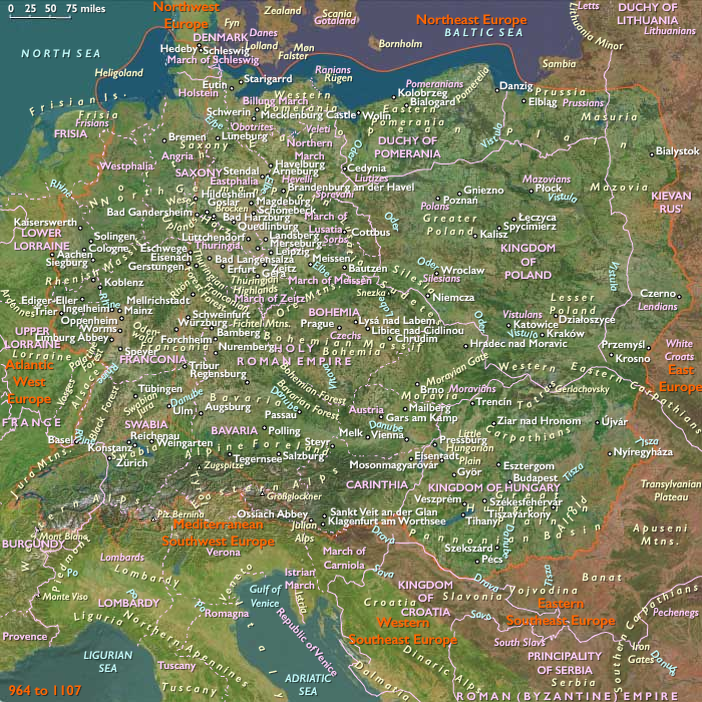 Central Europe
Region
-
{# Image navigates to the detail page; the magnifying-glass chip is the only Fancybox lightbox trigger (kept a separate sibling — anchors can't nest). #}
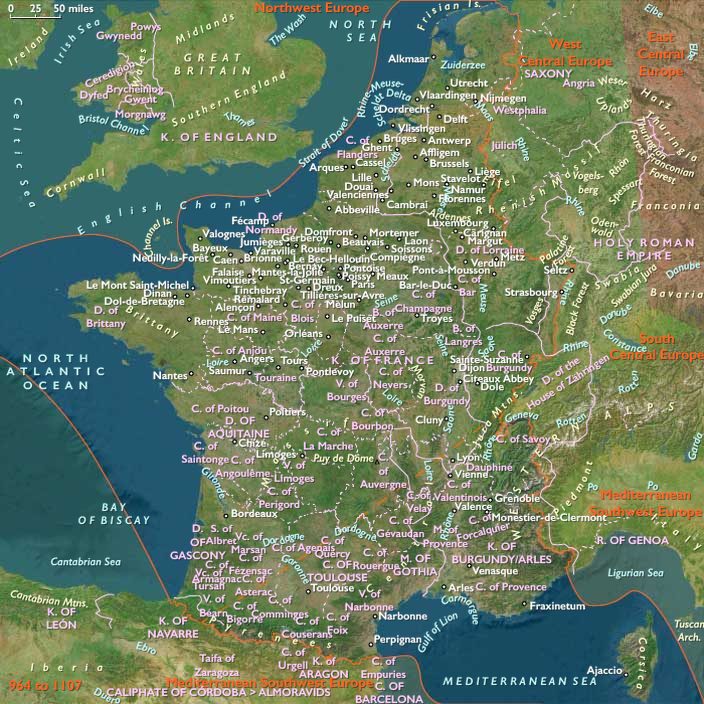 West Europe
Region
-
{# Image navigates to the detail page; the magnifying-glass chip is the only Fancybox lightbox trigger (kept a separate sibling — anchors can't nest). #}
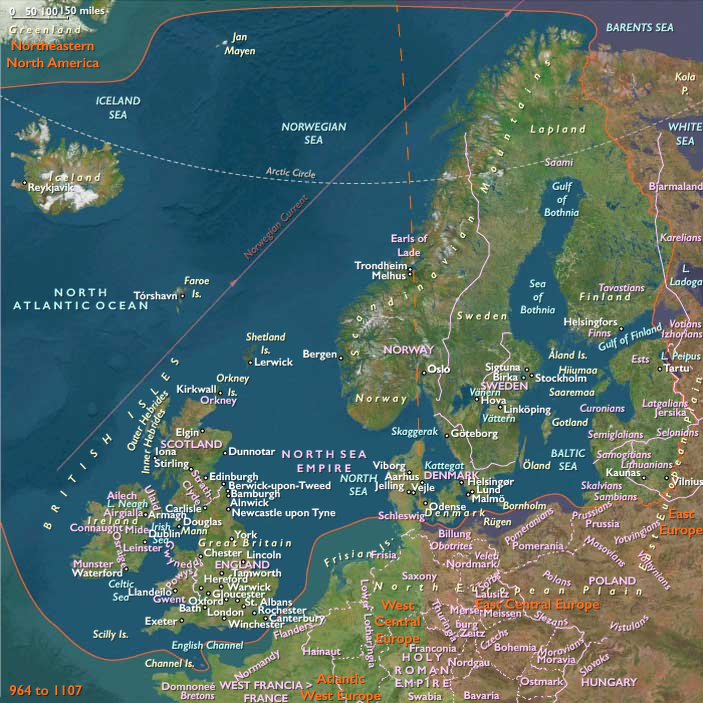 North Europe
Region
-
{# Image navigates to the detail page; the magnifying-glass chip is the only Fancybox lightbox trigger (kept a separate sibling — anchors can't nest). #}
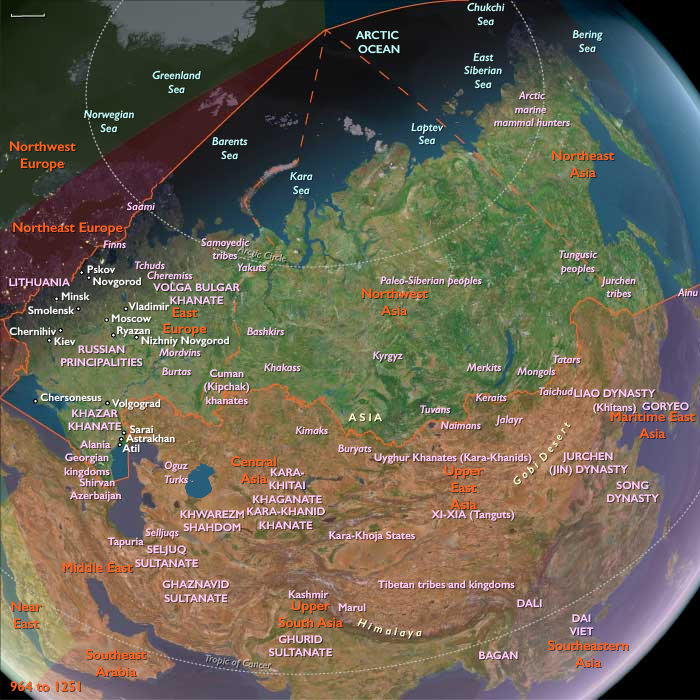 Northeastern Eurasia
Region
-
{# Image navigates to the detail page; the magnifying-glass chip is the only Fancybox lightbox trigger (kept a separate sibling — anchors can't nest). #}
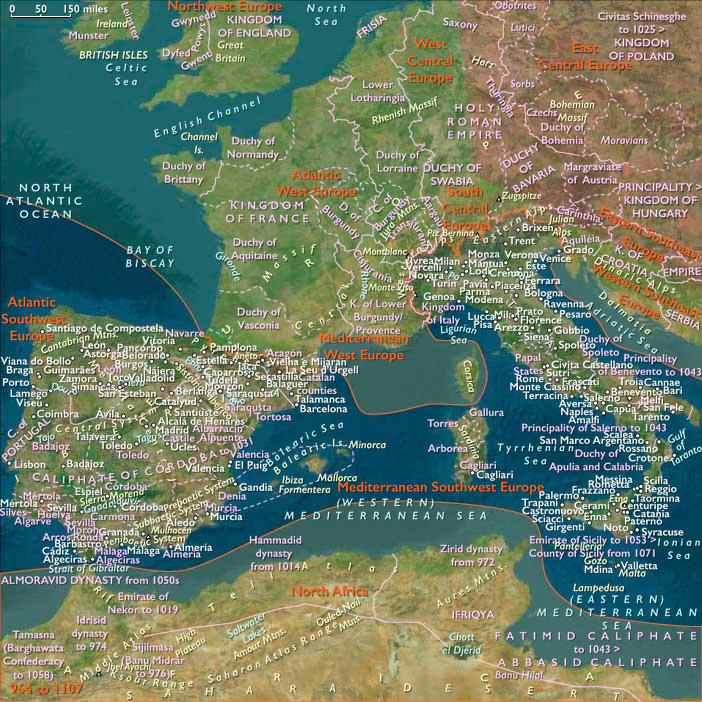 Southwest Europe
Region
-
{# Image navigates to the detail page; the magnifying-glass chip is the only Fancybox lightbox trigger (kept a separate sibling — anchors can't nest). #}
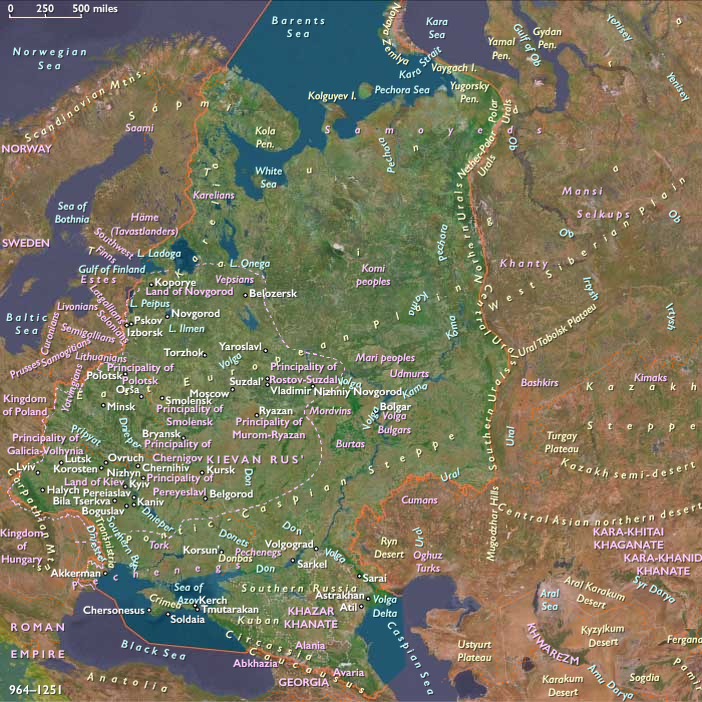 East Europe
Subregion
-
{# Image navigates to the detail page; the magnifying-glass chip is the only Fancybox lightbox trigger (kept a separate sibling — anchors can't nest). #}
 Northeast Europe
Subregion
-
{# Image navigates to the detail page; the magnifying-glass chip is the only Fancybox lightbox trigger (kept a separate sibling — anchors can't nest). #}
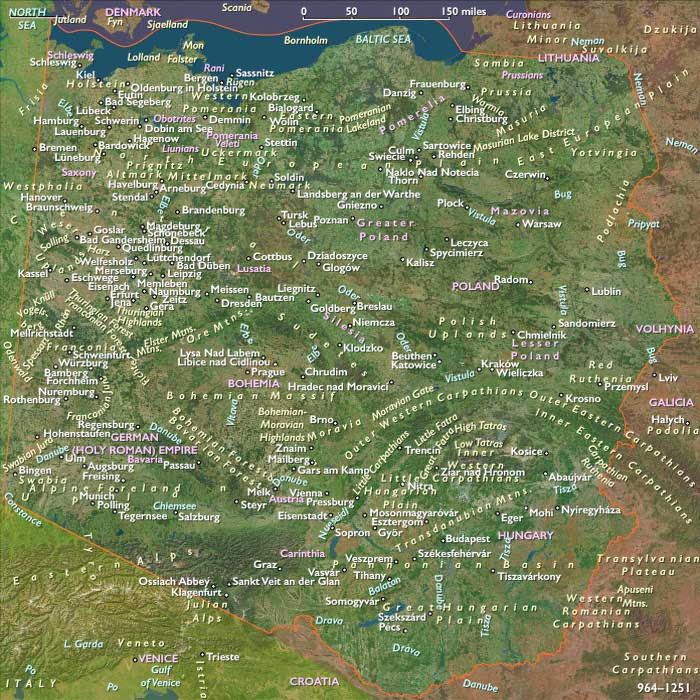 East Central Europe
Subregion
-
{# Image navigates to the detail page; the magnifying-glass chip is the only Fancybox lightbox trigger (kept a separate sibling — anchors can't nest). #}
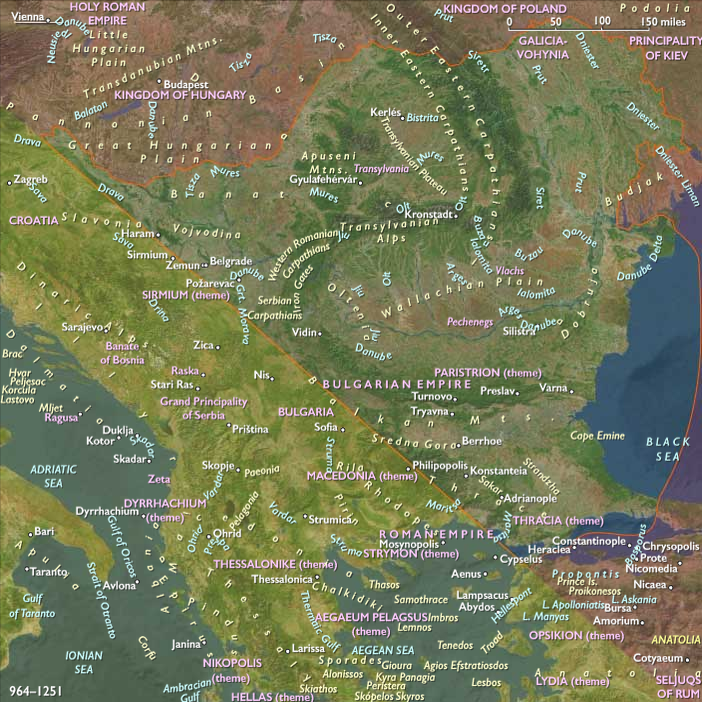 Eastern Southeast Europe
Subregion
-
{# Image navigates to the detail page; the magnifying-glass chip is the only Fancybox lightbox trigger (kept a separate sibling — anchors can't nest). #}
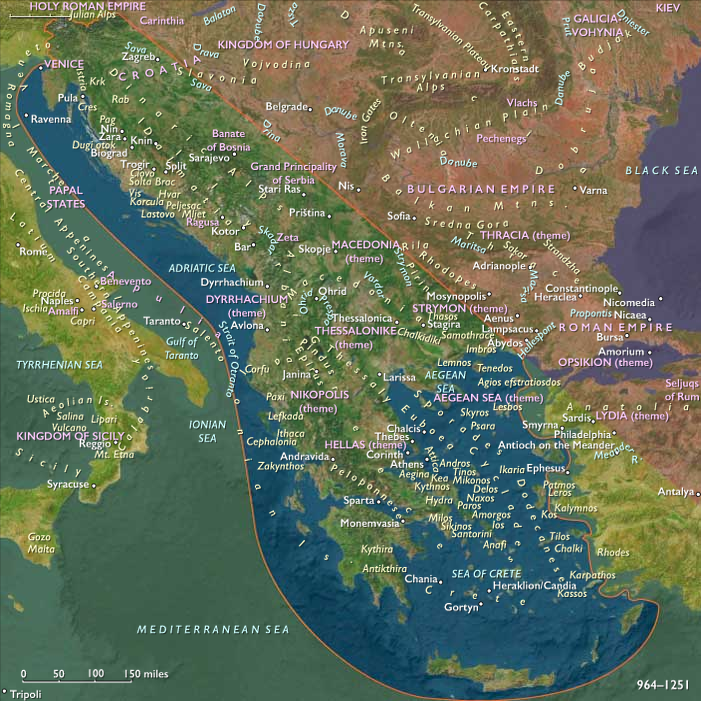 Western Southeast Europe
Subregion
-
{# Image navigates to the detail page; the magnifying-glass chip is the only Fancybox lightbox trigger (kept a separate sibling — anchors can't nest). #}
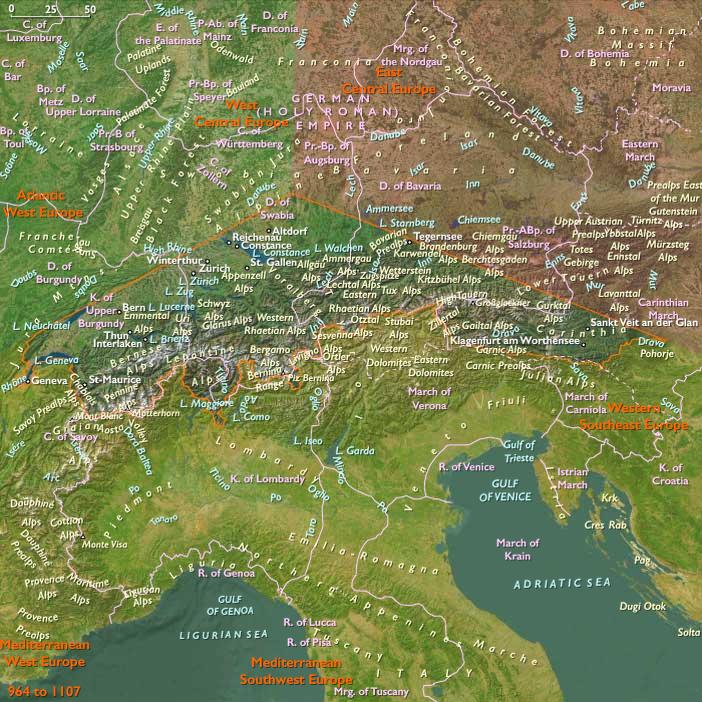 South Central Europe
Subregion
-
{# Image navigates to the detail page; the magnifying-glass chip is the only Fancybox lightbox trigger (kept a separate sibling — anchors can't nest). #}
 Mediterranean West Europe
Subregion
-
{# Image navigates to the detail page; the magnifying-glass chip is the only Fancybox lightbox trigger (kept a separate sibling — anchors can't nest). #}
 Mediterranean Southwest Europe
Subregion
-
{# Image navigates to the detail page; the magnifying-glass chip is the only Fancybox lightbox trigger (kept a separate sibling — anchors can't nest). #}
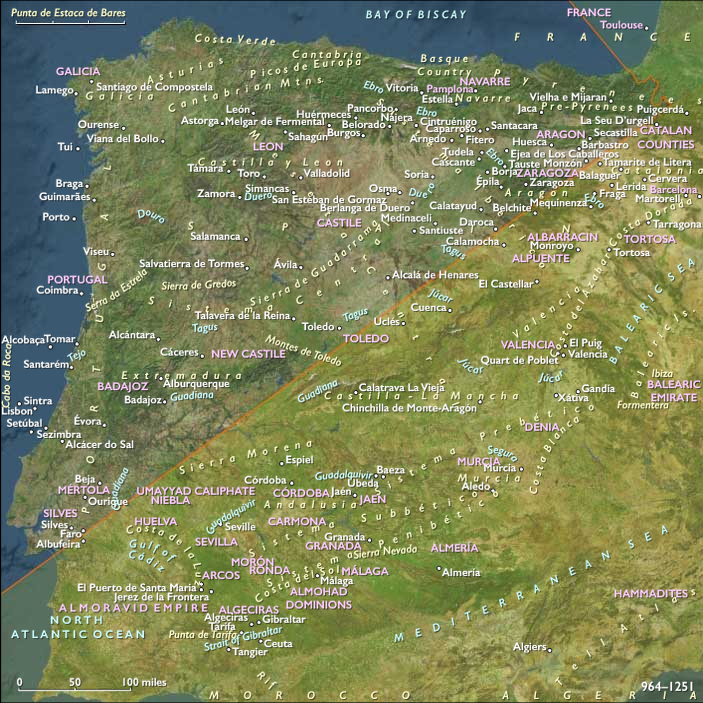 Atlantic Southwest Europe
Subregion
-
{# Image navigates to the detail page; the magnifying-glass chip is the only Fancybox lightbox trigger (kept a separate sibling — anchors can't nest). #}
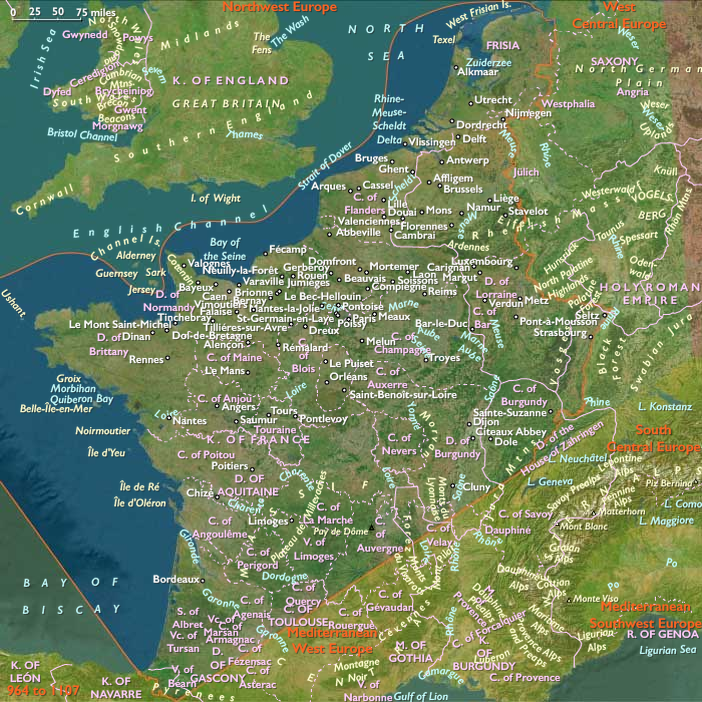 Atlantic West Europe
Subregion
-
{# Image navigates to the detail page; the magnifying-glass chip is the only Fancybox lightbox trigger (kept a separate sibling — anchors can't nest). #}
 West Central Europe
Subregion
-
{# Image navigates to the detail page; the magnifying-glass chip is the only Fancybox lightbox trigger (kept a separate sibling — anchors can't nest). #}
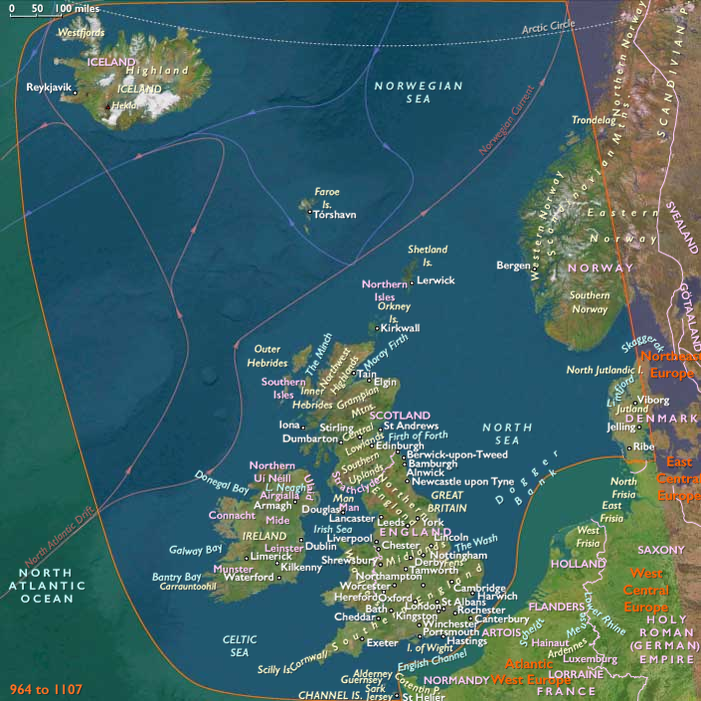 Northwest Europe
Subregion