
Pontiac's War has traditionally been portrayed as…
August 1766 CE
Negotiation and accommodation, rather than success on the battlefield, ultimately brings an end to the war.
The natives have in fact won a victory of sorts by compelling the British government to abandon Amherst's policies and instead create a relationship with the natives modeled on the Franco-Native alliance.
People
Alexander McGillivray
View →
Benjamin Lincoln
View →
Blue Jacket
View →
George Croghan
View →
George III of Great Britain
View →
Guyasuta
View →
Henry Louis Bouquet
View →
John Bradstreet
View →
Joseph Brant
View →
Neolin
View →
Pontiac (Ottawa leader)
View →
Thomas Gage
View →
William Johnson, 1st Baronet
View →
Groups
Iroquois (Haudenosaunee, also known as the League of Peace and Power, Five Nations, or Six Nations)
View →
Wyandot, or Wendat, or Huron people (Amerind tribe)
View →
Miami (Amerind tribe)
View →
Lenape or Lenni-Lenape (later named Delaware Indians by Europeans)
View →
Ojibwa, or Ojibwe, aka or Chippewa (Amerind tribe)
View →
Odawa, or Ottawa, people (Amerind tribe)
View →
Seneca (Amerind tribe)
View →
Susquehannock (Amerind tribe)
View →
Mascouten (Amerind tribe)
View →
Kickapoo people (Amerind tribe)
View →
Potawatomi (Amerind tribe)
View →
Wea (Amerind tribe)
View →
Piankeshaw (Amerind tribe)
View →
Shawnees, or Shawanos (Amerind tribe)
View →
Ohio Country
View →
Thirteen Colonies, The
View →
Illinois Country
View →
Britain, Kingdom of Great
View →
Mingo (Seneca-Cayuga Tribe of Oklahoma)
View →
Topics
Regions
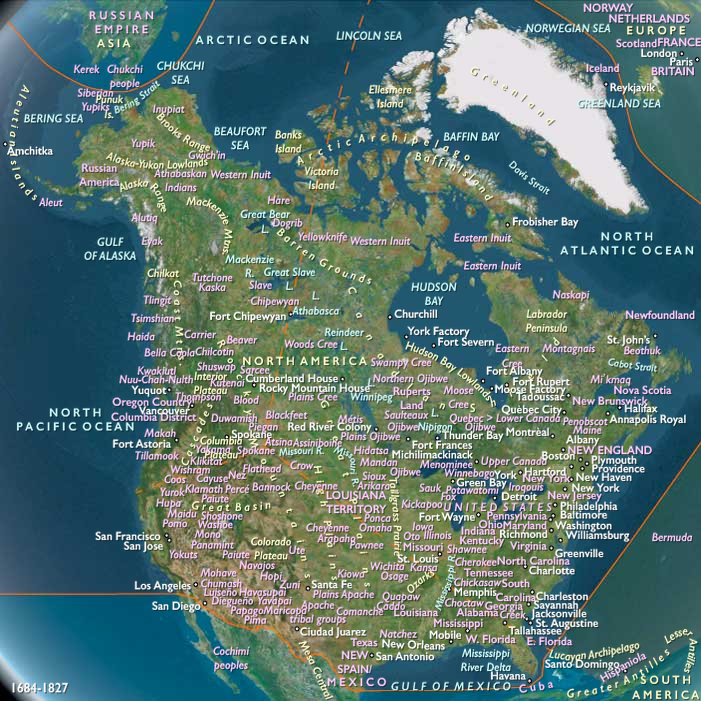
Northern North America
View →Subregions
