
John Bradstreet
British Army officer and colonial governor
1714 CE to 1774 CE
Major General John Bradstreet (December 21, 1714 – September 25, 1774), born in Annapolis Royal, Nova Scotia to a British Army lieutenant and an Acadian mother. is a British Army officer during King George's War, the French and Indian War, and Pontiac's Rebellion.
He also serves as the Commodore-Governor for Newfoundland.
World
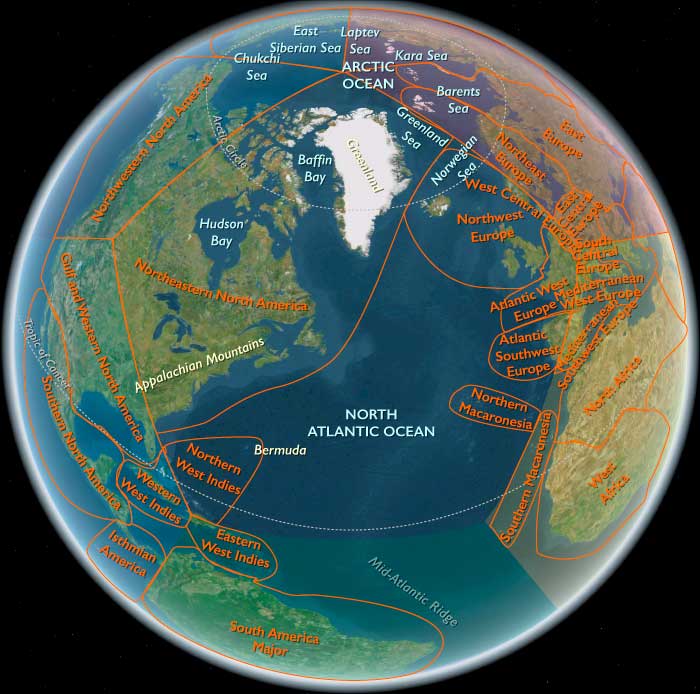
The Atlantic Lands
View →Related Events
Active Filters
Refine Results
Showing 10 events out of 12 total
French and native raiding parties under the command of Louis Coulon de Villiers, following orders of the Governor of New France, had begun in May 1756 to harass the Oswego garrison from a camp on Henderson Bay (south of present-day Sackett's Harbor, New York).
Montcalm had arrived in Montreal in May 1756 to lead the French army troops.
He and Governor Vaudreuil had taken an immediate dislike to one another, and disagreed over issues of command.
Concerned over the massing of British troops at the southern end of Lake George, Montcalm had first gone to Fort Carillon on Lake Champlain to see to its defenses.
Vaudreuil had meanwhile begun massing troops at Fort Frontenac for a potential assault on Oswego.
Following favorable reports from the raiding parties, Montcalm and Vaudreuil had decided to make the attempt.
Montcalm had left Carillon on July 16 under the command of the Chevalier de Levis, reaching Montreal three days later.
He left two days later for Fort Frontenac, where French troops were gathering along with a large company of natives.
French forces include the battalions of La Sarre, Guyenne, and Béarn, troupes de la marine, and colonial militia, while natives, numbering about two hundred and fifty, have come from all over the territories of New France.
The total size of the force is reckoned to be three thousand men.
Governor Shirley had received word in March 1756 that he was to be replaced by John Campbell, 4th Earl of Loudoun.
Loudoun's second in command, General James Abercrombie, had only arrived in Albany in late June, and Shirley had spent the intervening time shoring up the supply line to Oswego in anticipation of leading an expedition against the French forts on Lake Ontario.
William Johnson had traveled in June to the Iroquois headquarters at Onondaga, successfully negotiating support for the British side with the Iroquois, Shawnee, and Delaware, forces that Shirley also hopes to use for his expedition.
Shirley had also hired two thousand armed "battoemen", men experienced in sailing and shipbuilding.
Under the command of John Bradstreet, who had been appointed appointed as Governor Shirley's adjutant general in 1755, these men successfully resupply the forts at Oswego in July, although they are attacked by a French raiding party on their way back, suffering sixty to seventy casualties.
Captain Bradstreet survives but his warnings to Governor Shirley and Lord Loudon of the weak condition of Fort Oswego are largely ignored amid their ongoing power struggle.
When Loudoun arrives in Albany in late July, he immediately cancels Shirley's plans for an Oswego-based expedition.
Montcalm had arrived in Montreal in May 1756 to lead the French army troops.
He and Governor Vaudreuil had taken an immediate dislike to one another, and disagreed over issues of command.
Concerned over the massing of British troops at the southern end of Lake George, Montcalm had first gone to Fort Carillon on Lake Champlain to see to its defenses.
Vaudreuil had meanwhile begun massing troops at Fort Frontenac for a potential assault on Oswego.
Following favorable reports from the raiding parties, Montcalm and Vaudreuil had decided to make the attempt.
Montcalm had left Carillon on July 16 under the command of the Chevalier de Levis, reaching Montreal three days later.
He left two days later for Fort Frontenac, where French troops were gathering along with a large company of natives.
French forces include the battalions of La Sarre, Guyenne, and Béarn, troupes de la marine, and colonial militia, while natives, numbering about two hundred and fifty, have come from all over the territories of New France.
The total size of the force is reckoned to be three thousand men.
Governor Shirley had received word in March 1756 that he was to be replaced by John Campbell, 4th Earl of Loudoun.
Loudoun's second in command, General James Abercrombie, had only arrived in Albany in late June, and Shirley had spent the intervening time shoring up the supply line to Oswego in anticipation of leading an expedition against the French forts on Lake Ontario.
William Johnson had traveled in June to the Iroquois headquarters at Onondaga, successfully negotiating support for the British side with the Iroquois, Shawnee, and Delaware, forces that Shirley also hopes to use for his expedition.
Shirley had also hired two thousand armed "battoemen", men experienced in sailing and shipbuilding.
Under the command of John Bradstreet, who had been appointed appointed as Governor Shirley's adjutant general in 1755, these men successfully resupply the forts at Oswego in July, although they are attacked by a French raiding party on their way back, suffering sixty to seventy casualties.
Captain Bradstreet survives but his warnings to Governor Shirley and Lord Loudon of the weak condition of Fort Oswego are largely ignored amid their ongoing power struggle.
When Loudoun arrives in Albany in late July, he immediately cancels Shirley's plans for an Oswego-based expedition.
Moving with all speed, the French have nine working cannon established by the morning of August 14.
When these open fire on the exposed stonework of Fort Oswego, the walls crumble under the onslaught.
The garrison, whose cannon are all pointed away from the river (not expecting enemy fire to come from this direction), eventually turn their guns around, and the French fire is returned to some effect.
However, Montcalm had ordered Rigaud to lead some men across the river upstream from the fortifications, and these men, who make an unopposed crossing under somewhat difficult conditions, appear on the edge of the clearing outside Fort Oswego about the same time that Colonel Mercer is struck and killed by a French shell.
After a short council Lieutenant Colonel John Littlehales, who has taken over command from Mercer, raises the white flag.
The British surrender about seventeen hundred people, including laborers, shipbuilders, women and children.
Montcalm refuses to grant the defeated army the honors of war, as he feels that Littlehales had failed to earn them by putting up more of a fight.
When the fort is opened to the Canadian militia and natives, they rush in and begin plundering the fort, opening the barrels of rum and getting drunk on the contents.
Some of the British try to escape amid the confusion, and are tomahawked and killed by drunken French or natives.
In the aftermath, Montcalm and the natives under his command disagree about the disposition of prisoners' personal effects.
The Europeans do not consider them prizes and prevent the natives from stripping the prisoners of their valuables, which angers the natives.
Colonel Littlehales is seized by a group of Abenakis and badly beaten for his cowardice and bad behavior.
General Montcalm, shocked by the behavior, is eventually able to prevent further killings by a promise of presents.
He next orders the destruction of all the supplies the French do not take, as well as the boats under construction, after which the entire company, including the prisoners, travels to Montreal.
Loudoun had finally dispatched reinforcements from the 44th Regiment of Foot and Bradstreet's battoemen toward Oswego on August 12.
When these troops reached the Oneida Carry they learned that Oswego had fallen; after destroying the fortifications there, they retreat to German Flatts, where Loudoun orders them to stay to prevent further French advances.
Loudoun will spend significant effort over the following months to pin the blame for the loss on William Shirley.
He will be cleared of all formal charges in an inquiry, but with numerous irregularities highlighted.
Shirley's political connections in London will enable him to acquire other desirable posts later in his career.
Oswego will be effectively abandoned until 1758, when the British reoccupy the area, and Bradstreet will lead an expedition that captures and destroys Fort Frontenac.
It will be used again in 1759 as a departure point for a successful expedition against Fort Niagara, and in 1760 by Jeffrey Amherst's army as it moves toward Montreal.
When these open fire on the exposed stonework of Fort Oswego, the walls crumble under the onslaught.
The garrison, whose cannon are all pointed away from the river (not expecting enemy fire to come from this direction), eventually turn their guns around, and the French fire is returned to some effect.
However, Montcalm had ordered Rigaud to lead some men across the river upstream from the fortifications, and these men, who make an unopposed crossing under somewhat difficult conditions, appear on the edge of the clearing outside Fort Oswego about the same time that Colonel Mercer is struck and killed by a French shell.
After a short council Lieutenant Colonel John Littlehales, who has taken over command from Mercer, raises the white flag.
The British surrender about seventeen hundred people, including laborers, shipbuilders, women and children.
Montcalm refuses to grant the defeated army the honors of war, as he feels that Littlehales had failed to earn them by putting up more of a fight.
When the fort is opened to the Canadian militia and natives, they rush in and begin plundering the fort, opening the barrels of rum and getting drunk on the contents.
Some of the British try to escape amid the confusion, and are tomahawked and killed by drunken French or natives.
In the aftermath, Montcalm and the natives under his command disagree about the disposition of prisoners' personal effects.
The Europeans do not consider them prizes and prevent the natives from stripping the prisoners of their valuables, which angers the natives.
Colonel Littlehales is seized by a group of Abenakis and badly beaten for his cowardice and bad behavior.
General Montcalm, shocked by the behavior, is eventually able to prevent further killings by a promise of presents.
He next orders the destruction of all the supplies the French do not take, as well as the boats under construction, after which the entire company, including the prisoners, travels to Montreal.
Loudoun had finally dispatched reinforcements from the 44th Regiment of Foot and Bradstreet's battoemen toward Oswego on August 12.
When these troops reached the Oneida Carry they learned that Oswego had fallen; after destroying the fortifications there, they retreat to German Flatts, where Loudoun orders them to stay to prevent further French advances.
Loudoun will spend significant effort over the following months to pin the blame for the loss on William Shirley.
He will be cleared of all formal charges in an inquiry, but with numerous irregularities highlighted.
Shirley's political connections in London will enable him to acquire other desirable posts later in his career.
Oswego will be effectively abandoned until 1758, when the British reoccupy the area, and Bradstreet will lead an expedition that captures and destroys Fort Frontenac.
It will be used again in 1759 as a departure point for a successful expedition against Fort Niagara, and in 1760 by Jeffrey Amherst's army as it moves toward Montreal.
The British, having secured the area around Fort Niagara, launch two military expeditions into the west.
The first expedition, led by Colonel John Bradstreet, is to travel by boat across Lake Erie and reinforce Detroit.
Bradstreet is to subdue the Native Americans around Detroit before marching south into the Ohio Country.
The second expedition, commanded by Colonel Bouquet, is to march west from Fort Pitt and form a second front in the Ohio Country.
Bradstreet sets out from Fort Schlosser in early August 1764 with about twelve hundred soldiers and a large contingent of Native allies enlisted by Sir William Johnson.
Bradstreet feels that he does not have enough troops to subdue enemy Native Americans by force, so when strong winds on Lake Erie force him to stop at Presque Isle on August 12, he decides to negotiate a treaty with a delegation of Ohio Native Americans led by Guyasuta.
Bradstreet exceeds his authority by conducting a peace treaty rather than a simple truce, and by agreeing to halt Bouquet's expedition, which has not yet left Fort Pitt.
Gage, Johnson, and Bouquet are outraged when they learn what Bradstreet had done.
Gage rejects the treaty, believing that Bradstreet had been duped into abandoning his offensive in the Ohio Country.
Gage may have been correct: the Ohio Native Americans will not return prisoners as promised in a second meeting with Bradstreet in September, and some Shawnees are trying to enlist French aid in order to continue the war.
The first expedition, led by Colonel John Bradstreet, is to travel by boat across Lake Erie and reinforce Detroit.
Bradstreet is to subdue the Native Americans around Detroit before marching south into the Ohio Country.
The second expedition, commanded by Colonel Bouquet, is to march west from Fort Pitt and form a second front in the Ohio Country.
Bradstreet sets out from Fort Schlosser in early August 1764 with about twelve hundred soldiers and a large contingent of Native allies enlisted by Sir William Johnson.
Bradstreet feels that he does not have enough troops to subdue enemy Native Americans by force, so when strong winds on Lake Erie force him to stop at Presque Isle on August 12, he decides to negotiate a treaty with a delegation of Ohio Native Americans led by Guyasuta.
Bradstreet exceeds his authority by conducting a peace treaty rather than a simple truce, and by agreeing to halt Bouquet's expedition, which has not yet left Fort Pitt.
Gage, Johnson, and Bouquet are outraged when they learn what Bradstreet had done.
Gage rejects the treaty, believing that Bradstreet had been duped into abandoning his offensive in the Ohio Country.
Gage may have been correct: the Ohio Native Americans will not return prisoners as promised in a second meeting with Bradstreet in September, and some Shawnees are trying to enlist French aid in order to continue the war.
Bradstreet continues westward, as yet unaware that his unauthorized diplomacy is angering his superiors.
He reaches Fort Detroit on August 26, where he negotiates another treaty.
In an attempt to discredit Pontiac, who is not present, Bradstreet chops up a peace belt the Ottawa leader had sent to the meeting.
According to historian Richard White, "such an act, roughly equivalent to a European ambassador's urinating on a proposed treaty, had shocked and offended the gathered Indians."
Bradstreet also claims that the natives had accepted British sovereignty as a result of his negotiations, but Johnson believes that this has not been fully explained to the natives and that further councils will be needed.
Although Bradstreet has successfully reinforced and reoccupied British forts in the region, his diplomacy proves to be controversial and inconclusive.
He reaches Fort Detroit on August 26, where he negotiates another treaty.
In an attempt to discredit Pontiac, who is not present, Bradstreet chops up a peace belt the Ottawa leader had sent to the meeting.
According to historian Richard White, "such an act, roughly equivalent to a European ambassador's urinating on a proposed treaty, had shocked and offended the gathered Indians."
Bradstreet also claims that the natives had accepted British sovereignty as a result of his negotiations, but Johnson believes that this has not been fully explained to the natives and that further councils will be needed.
Although Bradstreet has successfully reinforced and reoccupied British forts in the region, his diplomacy proves to be controversial and inconclusive.
Colonel Bouquet, delayed in Pennsylvania while mustering the militia, finally sets out from Fort Pitt on October 3, 1764, with eleven hundred and fifty men.
He marches to the Muskingum River in the Ohio Country, within striking distance of a number of native villages.
Now that treaties have been negotiated at Fort Niagara and Fort Detroit, the Ohio natives are isolated and, with some exceptions, ready to make peace.
In a council that begins on October 17, Bouquet demands that the Ohio Native Americans return all captives, including those not yet returned from the French and Indian War.
Guyasuta and other leaders reluctantly hand over more than two hundred captives, many of whom have been adopted into native families.
Because not all of the captives are present, the natives are compelled to surrender hostages as a guarantee that the other captives will be returned.
The Ohio natives agree to attend a more formal peace conference with William Johnson, which will be finalized in July 1765.
He marches to the Muskingum River in the Ohio Country, within striking distance of a number of native villages.
Now that treaties have been negotiated at Fort Niagara and Fort Detroit, the Ohio natives are isolated and, with some exceptions, ready to make peace.
In a council that begins on October 17, Bouquet demands that the Ohio Native Americans return all captives, including those not yet returned from the French and Indian War.
Guyasuta and other leaders reluctantly hand over more than two hundred captives, many of whom have been adopted into native families.
Because not all of the captives are present, the natives are compelled to surrender hostages as a guarantee that the other captives will be returned.
The Ohio natives agree to attend a more formal peace conference with William Johnson, which will be finalized in July 1765.
The military conflict had essentially ended with the 1764 expeditions, but natives still call for resistance in the Illinois Country, where British troops have yet to take possession of Fort de Chartres from the French.
A Shawnee war chief named Charlot Kaské emerges as the most strident anti-British leader in the region, temporarily surpassing Pontiac in influence.
Kaské travels as far south as New Orleans in an effort to enlist French aid against the British.
In 1765, the British decide that the occupation of the Illinois Country can only be accomplished by diplomatic means.
As Gage comments to one of his officers, he is determined to have "none our enemy" among the native peoples, and that includes Pontiac, to whom he now sends a wampum belt suggesting peace talks.
Pontiac has by now become less militant after hearing of Bouquet's truce with the Ohio Country natives.
Johnson's deputy, George Croghan, accordingly travels to the Illinois Country in the summer of 1765, and although he is injured along the way in an attack by Kickapoos and Mascoutens, he manages to meet and negotiate with Pontiac.
While Charlot Kaské wants to burn Croghan at the stake, Pontiac urges moderation and agrees to travel to New York, where he will make a formal treaty with William Johnson at Fort Ontario on July 25, 1766.
It is hardly a surrender: no lands will be ceded, no prisoners will be returned, and no hostages will be taken.
Rather than accept British sovereignty, Kaské will leave British territory by crossing the Mississippi River with other French and native refugees.
A Shawnee war chief named Charlot Kaské emerges as the most strident anti-British leader in the region, temporarily surpassing Pontiac in influence.
Kaské travels as far south as New Orleans in an effort to enlist French aid against the British.
In 1765, the British decide that the occupation of the Illinois Country can only be accomplished by diplomatic means.
As Gage comments to one of his officers, he is determined to have "none our enemy" among the native peoples, and that includes Pontiac, to whom he now sends a wampum belt suggesting peace talks.
Pontiac has by now become less militant after hearing of Bouquet's truce with the Ohio Country natives.
Johnson's deputy, George Croghan, accordingly travels to the Illinois Country in the summer of 1765, and although he is injured along the way in an attack by Kickapoos and Mascoutens, he manages to meet and negotiate with Pontiac.
While Charlot Kaské wants to burn Croghan at the stake, Pontiac urges moderation and agrees to travel to New York, where he will make a formal treaty with William Johnson at Fort Ontario on July 25, 1766.
It is hardly a surrender: no lands will be ceded, no prisoners will be returned, and no hostages will be taken.
Rather than accept British sovereignty, Kaské will leave British territory by crossing the Mississippi River with other French and native refugees.
The total loss of life resulting from Pontiac's War is unknown.
About four hundred British soldiers have been killed in action and perhaps fifty had been captured and tortured to death.
George Croghan estimates that two thousand settlers had been killed or captured, a figure sometimes repeated as two thousand settlers killed.
The violence had compelled approximately four thousand settlers from Pennsylvania and Virginia to flee their homes.
Native losses go mostly unrecorded.
About four hundred British soldiers have been killed in action and perhaps fifty had been captured and tortured to death.
George Croghan estimates that two thousand settlers had been killed or captured, a figure sometimes repeated as two thousand settlers killed.
The violence had compelled approximately four thousand settlers from Pennsylvania and Virginia to flee their homes.
Native losses go mostly unrecorded.
Pontiac's War has traditionally been portrayed as a defeat for the natives, but scholars now usually view it as a military stalemate: while the natives have failed to drive away the British, the British have been unable to conquer the natives.
Negotiation and accommodation, rather than success on the battlefield, ultimately brings an end to the war.
The natives have in fact won a victory of sorts by compelling the British government to abandon Amherst's policies and instead create a relationship with the natives modeled on the Franco-Native alliance.
Negotiation and accommodation, rather than success on the battlefield, ultimately brings an end to the war.
The natives have in fact won a victory of sorts by compelling the British government to abandon Amherst's policies and instead create a relationship with the natives modeled on the Franco-Native alliance.
Relations between British colonists and natives, which had been severely strained during the French and Indian War, had reached a new low during Pontiac's Rebellion.
People on both sides of the conflict had come to the conclusion that colonists and natives are inherently different and cannot live with each other.
The British government had also come to the conclusion that colonists and natives must be kept apart.
On October 7, 1763, the Crown had issued the Royal Proclamation of 1763, an effort to reorganize British North America after the Treaty of Paris.
The Proclamation, already in the works when Pontiac's War erupted, had been hurriedly issued after news of the uprising reached London.
Officials had drawn a boundary line between the British colonies along the seaboard, and native lands west of the Allegheny Ridge (i.e., the Eastern Divide), creating a vast 'Indian Reserve' that stretched from the Alleghenies to the Mississippi River and from Florida to Quebec.
It thus confirmed the antebellum demarcation that had been set by the Treaty of Easton in 1758.
By forbidding colonists from trespassing on native lands, the British government hopes to avoid more conflicts like Pontiac's Rebellion.
People on both sides of the conflict had come to the conclusion that colonists and natives are inherently different and cannot live with each other.
The British government had also come to the conclusion that colonists and natives must be kept apart.
On October 7, 1763, the Crown had issued the Royal Proclamation of 1763, an effort to reorganize British North America after the Treaty of Paris.
The Proclamation, already in the works when Pontiac's War erupted, had been hurriedly issued after news of the uprising reached London.
Officials had drawn a boundary line between the British colonies along the seaboard, and native lands west of the Allegheny Ridge (i.e., the Eastern Divide), creating a vast 'Indian Reserve' that stretched from the Alleghenies to the Mississippi River and from Florida to Quebec.
It thus confirmed the antebellum demarcation that had been set by the Treaty of Easton in 1758.
By forbidding colonists from trespassing on native lands, the British government hopes to avoid more conflicts like Pontiac's Rebellion.
The effects of Pontiac's War will be long-lasting.
Because the Royal Proclamation of 1763 officially recognizes that indigenous people have certain rights to the lands they occupied, it has been called the natives' "Bill of Rights", and still informs the relationship between the Canadian government and First Nations.
For British colonists and land speculators, however, the Proclamation seems to deny them the fruits of victory—western lands—that had been won in the war with France.
The resentment which this creates undermines colonial attachment to the Empire, contributing to the coming of the American Revolution.
Because the Royal Proclamation of 1763 officially recognizes that indigenous people have certain rights to the lands they occupied, it has been called the natives' "Bill of Rights", and still informs the relationship between the Canadian government and First Nations.
For British colonists and land speculators, however, the Proclamation seems to deny them the fruits of victory—western lands—that had been won in the war with France.
The resentment which this creates undermines colonial attachment to the Empire, contributing to the coming of the American Revolution.
Loading...