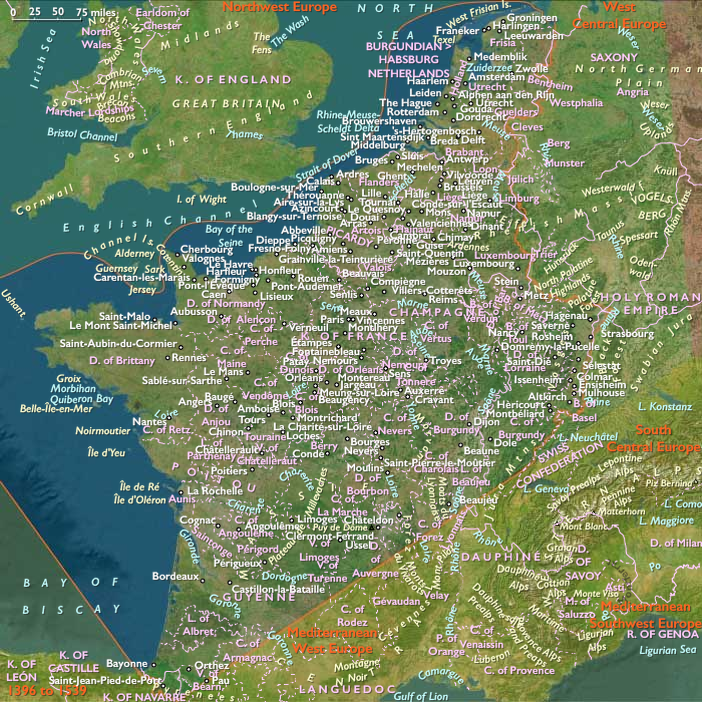
Founding of the University of Nantes (1460)…
1460 CE
Founding of the University of Nantes (1460)
In 1460, Pope Pius II authorized the founding of the University of Nantes through a papal bull, significantly enhancing Nantes's standing as an intellectual and cultural hub in Atlantic West Europe. Established during a period of expanding educational institutions, the university quickly became a focal point of learning, particularly in theology, law, medicine, and the liberal arts, serving students from across Brittany, France, and beyond.
Political and Cultural Context
The creation of the University of Nantes reflected growing regional ambitions, bolstering the intellectual prestige of Brittany and reinforcing Nantes as a vibrant urban center. Established by the authority of a papal bull, the university also symbolized the influential role of the Catholic Church in shaping educational frameworks and cultural identity in the late medieval period, further cementing papal influence within academic circles of Atlantic West Europe.
Economic and Social Impact
The university’s establishment spurred economic growth in Nantes, as students and scholars stimulated local commerce and intellectual life. With increased scholarly activity, the city became a magnet for book trade, legal practitioners, and physicians, strengthening economic connections within and beyond the region.
Long-Term Significance
The University of Nantes remained an important intellectual institution for over three centuries until its dissolution during the upheaval of the French Revolution in 1793. Its sustained presence significantly influenced the intellectual and cultural landscape of Brittany and Atlantic France, leaving an enduring legacy in scholarship and contributing to the region's identity and prestige.
Although abolished during the revolutionary upheavals, its intellectual heritage would later be revived through new educational institutions, underscoring the enduring importance of higher education in Atlantic West Europe.
Locations
People
Groups
Topics
Regions
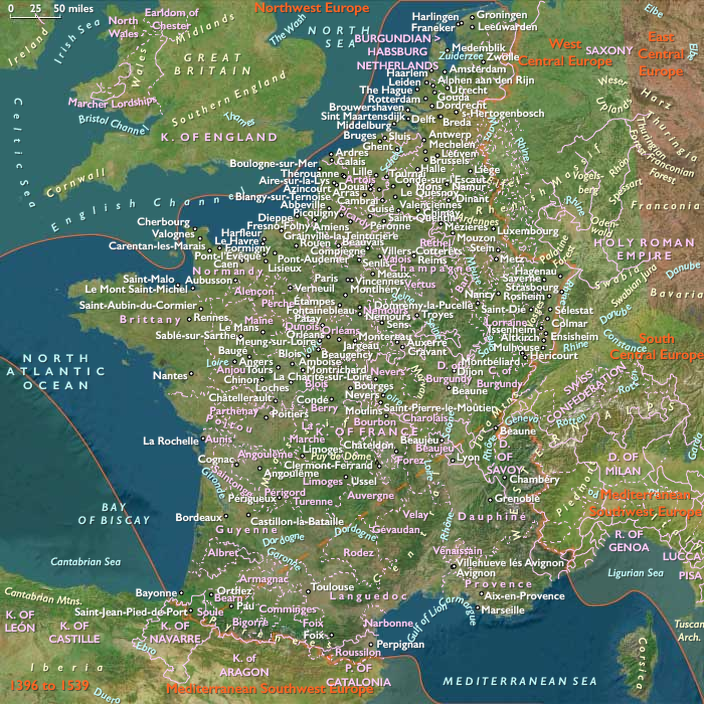
West Europe
View →Subregions