Atlantic Southwest Europe (621–478 BCE): Intensified Mediterranean…
621 BCE to 478 BCE
Atlantic Southwest Europe (621–478 BCE): Intensified Mediterranean Contacts and the Arrival of Celtic Cultural Influences
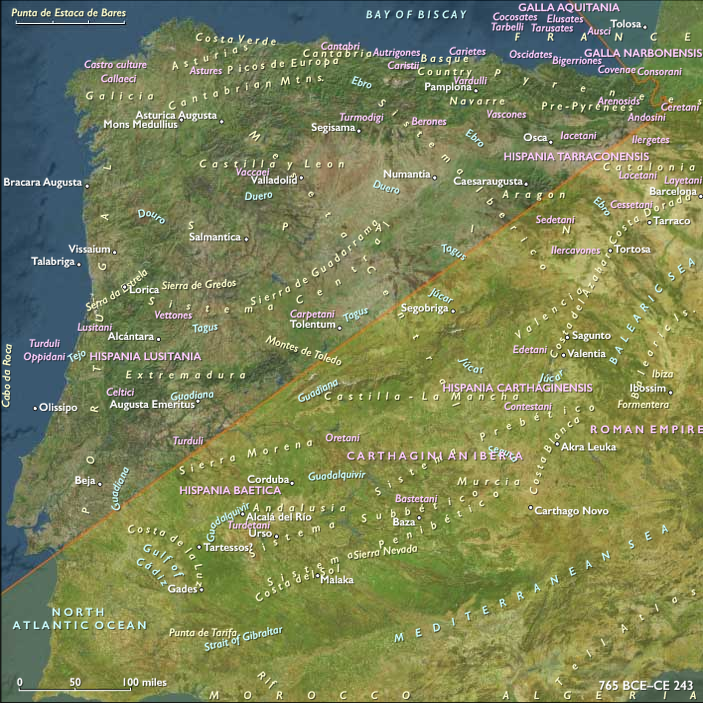
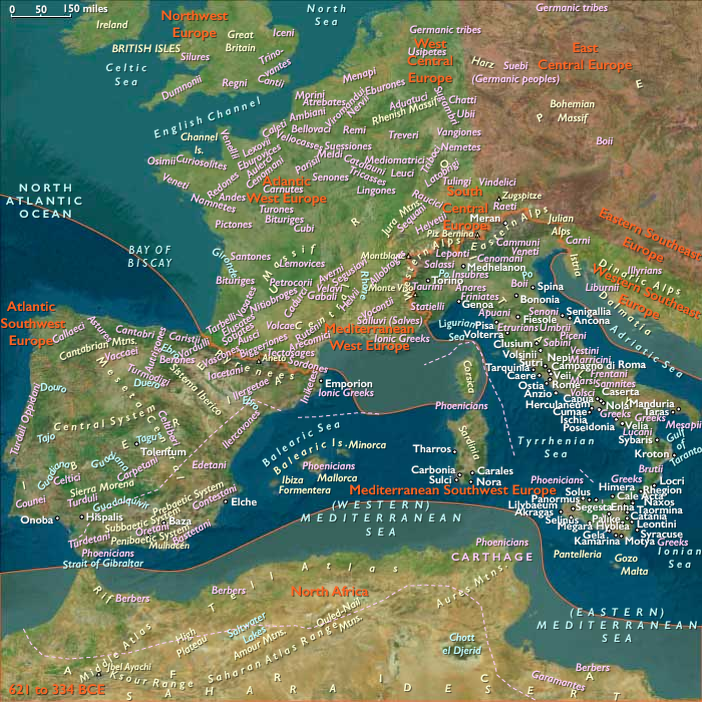
Between 621 and 478 BCE, Atlantic Southwest Europe—comprising northern and central Portugal, Galicia, Asturias, Cantabria, and parts of northern Spain—experienced intensified Mediterranean interactions, continued flourishing of the Castro culture, emergence of the distinct Lusitanian culture, and the significant arrival and integration of early Celtic-speaking peoples and cultural elements. This period marked a critical turning point, as Atlantic Southwest Europe transitioned toward greater cultural complexity and regional diversity.
Political and Societal Developments
Expansion and Complexity of the Castro Culture
-
The Castro culture reached its zenith, characterized by numerous fortified settlements (castros) featuring elaborate stone fortifications, organized layouts, and social stratification, becoming regional centers of power and influence, especially in Galicia and northern Portugal.
-
Political organization evolved significantly, demonstrating clear hierarchical structures and intensified territorial control.
Emergence of Lusitanian Culture
-
Distinct Lusitanian communities emerged in central and western Iberia (modern Portugal and adjacent Spain), developing unique pottery styles, burial practices, linguistic identity, and warrior traditions, clearly distinguishing themselves from northern Castro neighbors.
Initial Celtic Migrations and Cultural Influence
-
Beginning in the late 6th century BCE, early Celtic-speaking groups migrated into Atlantic Southwest Europe via routes across the Pyrenees and along the Atlantic coast, gradually introducing their language, cultural practices, artistic styles, and social structures.
-
Celtic influences became increasingly evident in local art forms, metalwork styles, burial rituals, and linguistic patterns, creating hybridized cultures, notably among some Lusitanian communities and inland tribes.
Continued Proto-Basque Cultural Consolidation
-
Proto-Basque communities maintained distinct cultural identities in areas surrounding the western Pyrenees and adjacent valleys, largely resistant to early Celtic cultural integration, preserving their unique linguistic and social traditions.
Economic and Technological Advancements
Expanded Mediterranean Trade Networks
-
Mediterranean maritime trade intensified dramatically, primarily driven by Phoenician and early Carthaginian traders operating from Iberian colonies such as Gadir (modern Cádiz). Communities exchanged local resources—metals (tin, silver, copper), wool, salt, and agricultural goods—for Mediterranean luxury goods, iron tools, wine, and ceramics. Slavery expanded significantly due to intensified warfare, tribal conflicts, and growing economic specialization. Captive slaves became increasingly valuable as agricultural and mining laborers, and as commodities in trade networks with Mediterranean (Phoenician and Carthaginian) merchants.
-
Celtic and Lusitanian groups increasingly engaged in these trade networks, benefiting economically and socially, strengthening tribal elites, and intensifying regional economic specialization.
Ironworking and Technological Innovation
-
Iron metallurgy spread rapidly, influenced by Mediterranean trade contacts and Celtic technological practices, significantly improving agricultural productivity, warfare capabilities, and artisanal production.
-
Bronze working persisted in ceremonial and decorative contexts, complementing the widespread adoption of iron technology.
Cultural and Religious Developments
Celtic Cultural Integration and Hybridization
-
Celtic artistic styles, including distinctive motifs, metalworking techniques, and pottery forms, became increasingly evident, blending with indigenous Lusitanian and Castro traditions.
-
Cultural interactions created hybrid identities, shaping the foundations for future Celtiberian cultures, particularly within Lusitanian territories.
Ritual Practices and Religious Complexity
-
Religious and ceremonial traditions evolved significantly, integrating Celtic ritual practices—such as sacred spring worship, warrior cults, and druidic traditions—with local ancestor veneration and nature-based rituals.
-
Sacred spaces, ritual sites, and hilltop sanctuaries became increasingly important, reflecting a complex religious synthesis among indigenous and incoming Celtic beliefs.
Notable Settlements and Tribal Groups
-
Castro Settlements: Prominent castros across Galicia and northern Portugal thrived as influential economic and social centers.
-
Lusitanian Settlements: Developed distinct fortified villages in central and western Iberia, reflecting strong local identity and economic resilience.
-
Early Celtic Communities: Established initial settlements, primarily in the interior and northeastern regions, gradually integrating culturally and socially into local populations.
-
Proto-Basque Communities: Continued to reinforce their unique identity, resisting early Celtic assimilation.
Long-Term Significance and Legacy
Between 621 and 478 BCE, Atlantic Southwest Europe:
-
Experienced substantial social and economic transformations driven by intensified Mediterranean interactions, technological innovations, and demographic changes.
-
Witnessed the significant arrival and initial integration of Celtic-speaking groups, introducing new linguistic, social, and cultural elements into the regional landscape.
-
Saw the definitive emergence of Lusitanian cultural identity alongside the enduring Castro and proto-Basque cultures, laying foundations for a diverse and complex cultural region.
This pivotal era positioned Atlantic Southwest Europe on the threshold of deeper Celtic integration, setting the stage for subsequent Celtiberian cultural development and increasing interactions with expanding Mediterranean civilizations.
Groups
Commodities
Subjects
Regions
Southwest Europe
View →Subregions