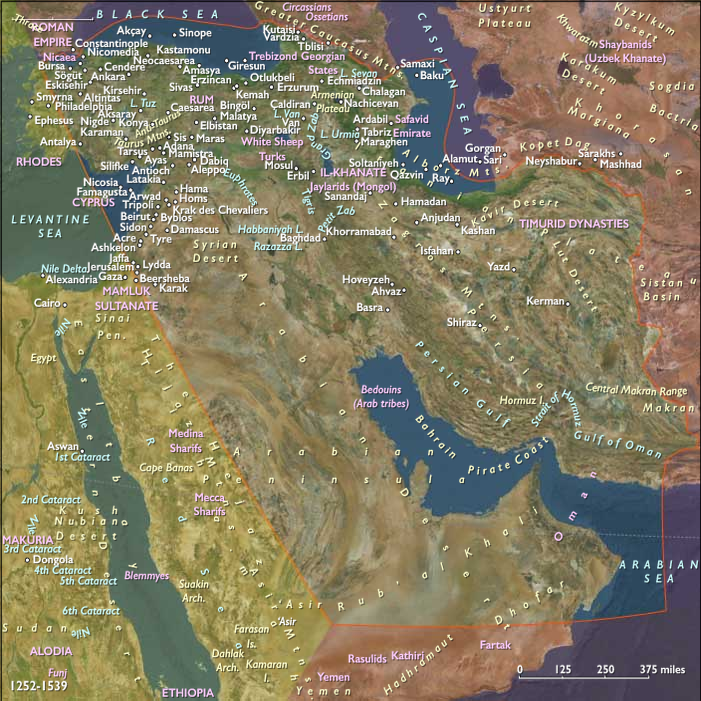
The Safavis, under their leader Ismail, seize…
1396 CE to 1539 CE
Ismail is proclaimed shah of Iran.
The rise of the Safavis marks the reemergence in Iran of a powerful central authority within geographical boundaries attained by former Iranian empires.
The Safavis declare Shia Islam the state religion and use proselytizing and force to convert the large majority of Muslims in Iran to the Shia sect.
Iran is a theocracy under the early Safavis.
Ismail's followers venerate him as the murshid-kamil, the perfect guide, who combines in his person both temporal and spiritual authority.
In the new state, he is represented in both these functions by the vakil, an official who acts as a kind of alter ego.
The sadr heads the powerful religious organization; the vizier, the bureaucracy; and the amir alumara, the fighting forces.
These forces, the Qizilbash, come primarily from the seven Turkic-speaking tribes that had supported the Safavi bid for power.
Locations
People
Groups
Iranian peoples
View →
Arab people
View →
Transoxiana
View →
Khorasan, Greater
View →
Oghuz Turks
View →
Muslims, Sunni
View →
Muslims, Shi'a
View →
Turkmen, Iraqi
View →
Sufism
View →
Turkmen people
View →
Mongols
View →
Kara Koyunlu (Black Sheep Turks), (Turkmen) Emirate of the
View →
Ag Qoyunlu (White Sheep Turks), (Turkmen) Emirate of the
View →
Ag Qoyunlu (White Sheep Turks), (Turkmen) Emirate of the
View →
Qizilbash or Kizilbash, (Ottoman Turkish for "Crimson/Red Heads")
View →
Ag Qoyunlu (White Sheep Turks), (Turkmen) Emirate of the
View →
Ag Qoyunlu (White Sheep Turks), (Turkmen) Emirate of the
View →
Persia, Safavid Kingdom of
View →
Commodities
Subjects
Regions
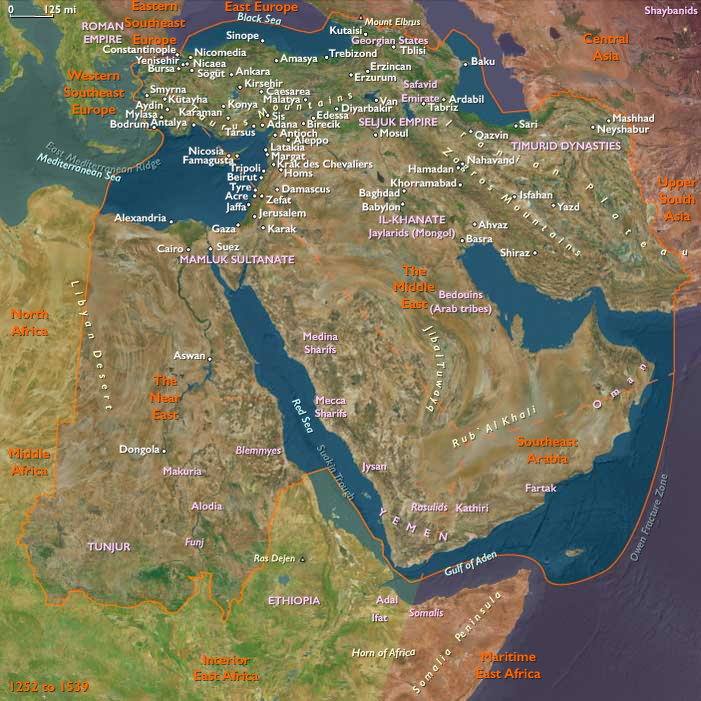
The Near and Middle East
View →Subregions