
The plate could not be loaded.
Northeastern Eurasia Collapse Brief Forest Rivers, Pottery Frontiers, and the Expanding Northern Wetlands. Brief ‹ 3 subregions Forest Rivers, Pottery Frontiers, and the Expanding Northern Wetlands. Explore events
Forest Rivers, Pottery Frontiers, and the Expanding Northern Wetlands.
Northeastern Eurasia · The Great Crossroads · Northern Oceania
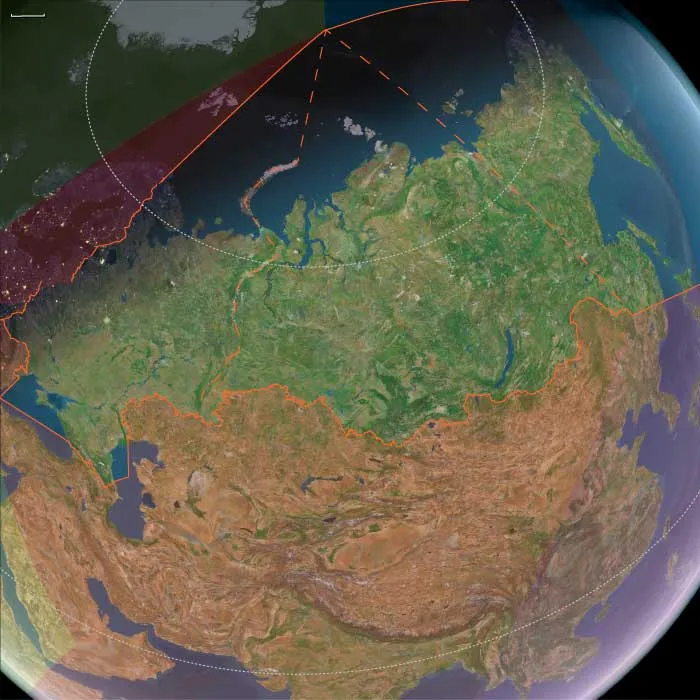
During the Early Holocene, Northeastern Eurasia extended from the forests, forest-steppe and great river valleys of eastern Europe across the Urals and western Siberian lowlands to the Amur basin and the Pacific margins of Northeast Asia. Human communities throughout this enormous region remained hunters, fishers and gatherers, but their technologies, mobility and use of aquatic resources varied greatly from west to east.
Continue reading
During the Early Holocene, Northeastern Eurasia extended from the forests, forest-steppe and great river valleys of eastern Europe across the Urals and western Siberian lowlands to the Amur basin and the Pacific margins of Northeast Asia. Human communities throughout this enormous region remained hunters, fishers and gatherers, but their technologies, mobility and use of aquatic resources varied greatly from west to east.
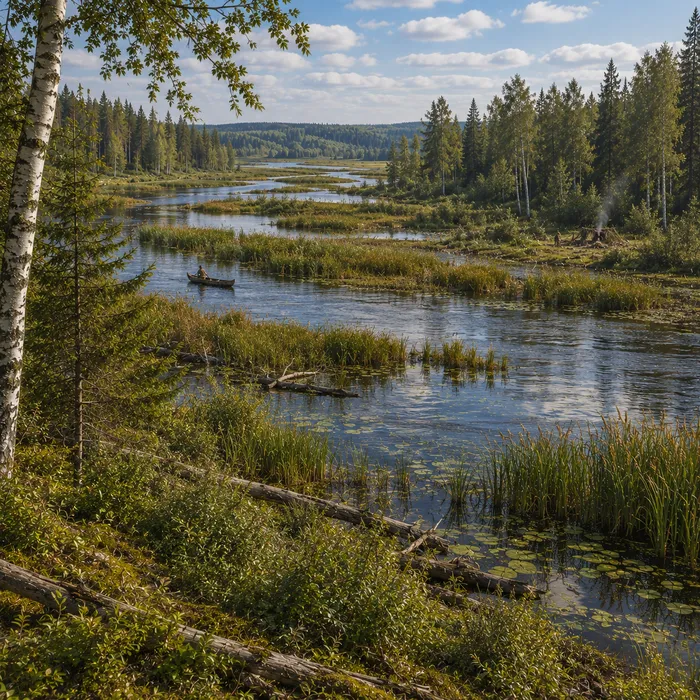
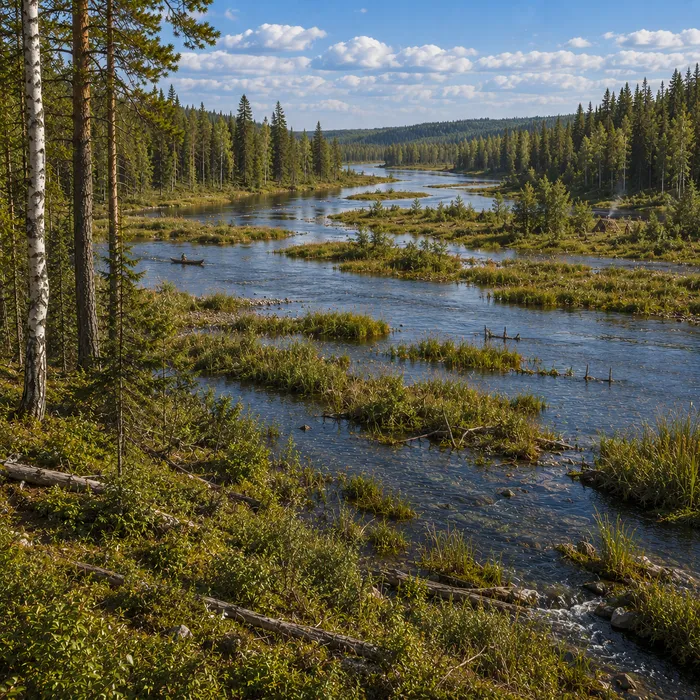
Postglacial warming transformed the continental interior. Mixed woodland expanded across much of the East European Plain, while pine, birch and increasingly developed taiga covered broad northern and Siberian landscapes. In the south, forest-steppe and open grasslands persisted, producing long ecological gradients between northern forest and southern steppe.
The great rivers formed the enduring connective structure of the region. The Dnieper, Don and Volga crossed the East European Plain, the Kama and Ural linked the forest zone with the continental divide, and the Ob, Irtysh and Yenisei opened immense corridors through western and central Siberia. Farther east, the Amur and its tributaries connected interior forests with the Pacific.
Across East Europe, Mesolithic communities occupied river terraces, lake margins, wetlands and forest clearings. Hunting focused on elk, deer, wild boar and smaller animals according to locality, while fish, waterfowl, hazelnuts, berries and other gathered foods broadened subsistence. Settlement remained mobile or recurrent rather than organized into a general landscape of permanent villages.
Most western communities remained aceramic through much of the period. Only toward its closing centuries did pottery begin appearing locally in parts of the eastern European forest zone. Ceramic adoption remained uneven, and many communities continued using baskets, wooden vessels, hides and other organic containers.
Beyond the Urals, western Siberia developed increasingly expansive wetlands. Rising groundwater encouraged peat formation, shallow lakes, marshes and bogs across the low West Siberian Plain. These environments concentrated fish, birds, elk and other resources and made rivers and wetland margins important seasonal destinations.
Human occupation in western and central Siberia remained diverse. Hunting, fishing and plant gathering varied between forest, forest-steppe and river environments, while local stone, bone and antler technologies followed different regional traditions rather than one Siberian cultural system.
Near the end of the seventh millennium BCE, pottery appeared securely among hunter-gatherers along parts of the western Siberian forest-steppe and Ural foothills. These vessels were used for varied food-processing tasks within economies that remained entirely dependent on wild resources. In some western Siberian districts, increasingly substantial pit-house settlements and enclosed sites also began appearing around this late horizon.
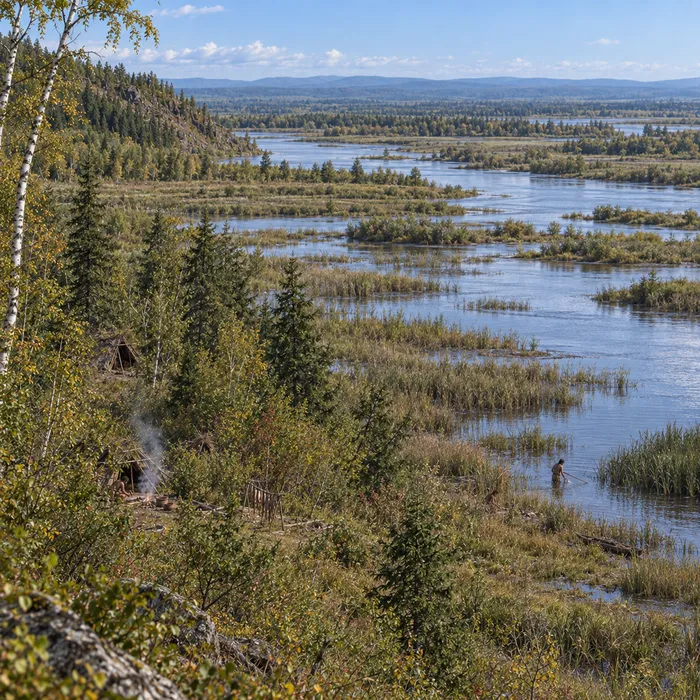
Farther east, the history of pottery was entirely different. Along the Lower and Middle Amur, ceramic vessels had already been used for thousands of years before the Early Holocene began. Pottery therefore formed an established part of some Northeast Asian hunter-gatherer traditions rather than a new seventh-millennium innovation.
The Lower Amur combined rich riverine environments with increasingly developed forests and wetlands. Fish and other aquatic resources could be processed intensively in ceramic vessels, while terrestrial game and gathered plants remained important. Farther upstream, pottery was also used in economies with substantial reliance on terrestrial mammals.
Toward the Sea of Okhotsk, Sakhalin, Kamchatka and the northern Pacific rim, rising seas reshaped estuaries and coastal shelves while taiga and tundra environments reorganized inland. Fish, marine foods, birds and terrestrial game were exploited in different combinations according to locality, but neither coastal settlement nor salmon dependence was uniform across Northeast Asia.
Throughout Northeastern Eurasia, rivers and connected watersheds provided long-distance movement corridors. Communities crossed the Urals through valleys and headwaters, moved along the great Siberian rivers, and followed the Amur toward the Pacific. These networks carried raw materials, technologies and ideas without creating a single regional culture.
Near the end of the age, the climatic disturbance around 6,200 BCE altered hydrology and vegetation across parts of the northern continent. Lakes, wetlands and forests responded differently according to latitude and drainage basin, while human groups continued adapting through mobility and flexible use of multiple environments.
Legacy of the Age
By 6,094 BCE, Northeastern Eurasia had become a vast mosaic of forest, wetland, river, forest-steppe and Pacific coastal societies. East European communities remained predominantly mobile and largely aceramic, although the first localized pottery traditions were beginning to appear. Western Siberian hunter-gatherers increasingly occupied enormous wetland landscapes, and ceramic technology reached the Ural and forest-steppe frontier near the end of the period. Along the Amur and farther east, pottery was already an ancient component of some hunter-gatherer lifeways, often associated with intensive processing of riverine resources. The defining history of the age was therefore not the emergence of one northern “civilization,” but the growing regional specialization of foraging societies linked across thousands of kilometers by forests, rivers and changing northern seas.