
Eastern Southeast Europe (388–399 CE): Stability, Tensions, …
Years: 388 - 399
Eastern Southeast Europe (388–399 CE): Stability, Tensions, and Early Transformation
Settlement and Migration Patterns
Stability and Urban Development
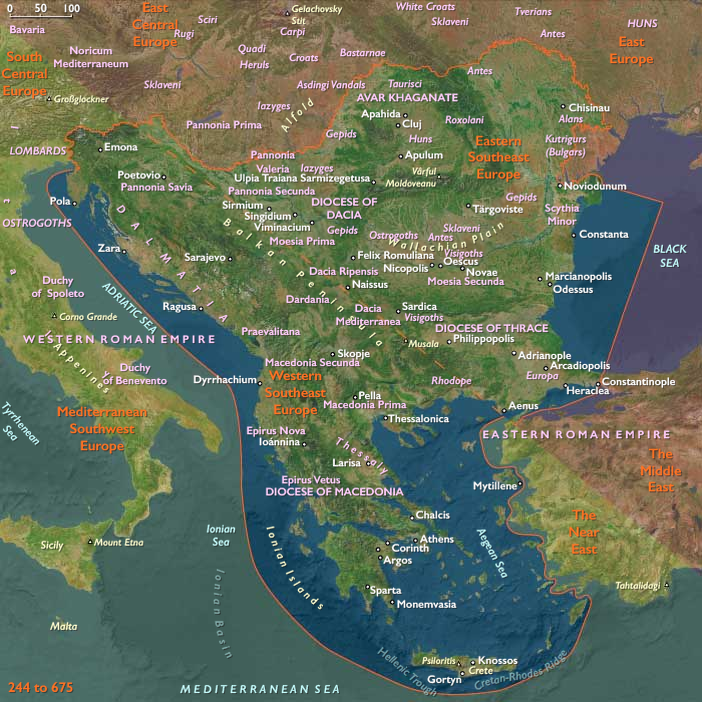
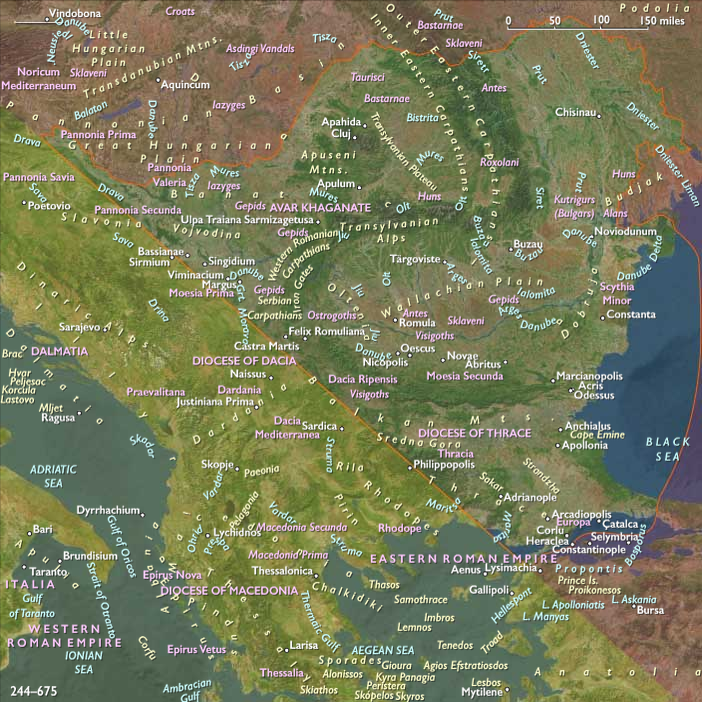
From 388 to 399 CE, Eastern Southeast Europe remained relatively stable under Roman administration, with cities like Constantinople and Philippopolis continuing to thrive. Urban centers benefited from ongoing infrastructural projects and economic integration into the broader Roman Empire, although Emperor Theodosius faced financial strains from maintaining expensive military campaigns and a diminished tax base.
Early Signs of Migration Pressure
Initial pressures from migrating peoples such as the Goths, Alans, and Huns began impacting the northern and eastern borders of the region. Gothic leader Alaric notably rebelled in 391 against Roman control, briefly attacking Emperor Theodosius before being pacified and integrated as the leader of Gothic troops within the Roman army. These early interactions hinted at the demographic shifts and political challenges ahead.
Economic and Technological Developments
Economic Prosperity and Trade Continuity
Economic conditions remained robust, driven by sustained trade networks and productive agricultural practices. Constantinople continued to serve as an essential economic hub, facilitating commerce between Europe, Asia Minor, and the Mediterranean, although the financial pressures of warfare strained imperial resources.
Infrastructure Maintenance and Expansion
Roman authorities continued investing in critical infrastructure, including roads, fortifications, and urban facilities. The maintenance and expansion of these structures were essential for supporting regional economic vitality and military preparedness, despite occasional fiscal challenges resulting from increased military expenditures.
Cultural and Artistic Developments
Cultural Continuity and Artistic Production
Cultural and artistic activities flourished, characterized by public art, monuments, and architecture reflecting Roman imperial and Hellenistic traditions. Cities maintained vibrant cultural lives, preserving classical heritage through education and artistic expression.
Preservation of Classical Knowledge
Educational institutions remained active, preserving classical Greek and Roman literature, philosophy, and sciences. Libraries and scholarly activities sustained regional intellectual continuity and sophistication, reinforcing the intellectual foundations of Eastern Southeast Europe.
Social and Religious Developments
Roman Provincial Governance
Roman provincial governance continued managing local and regional affairs effectively, maintaining administrative efficiency and political stability despite internal tensions. After Emperor Theodosius's death in early 395, the Roman Empire split permanently between his young sons, Honorius in the West and Arcadius in the East. Neither emperor demonstrated capability, both remaining puppets controlled by powerful court officials. This division significantly influenced the political and administrative trajectory of the region, creating tensions within the imperial administration.
Christianity’s Growing Influence
Christianity’s prominence increased, with urban centers and rural areas seeing continued growth in Christian communities and ecclesiastical infrastructure. Religious institutions actively contributed to community cohesion and social integration, strengthening the region's social fabric and cultural identity.
Long-Term Consequences and Historical Significance
The period from 388 to 399 CE was marked by general stability yet indicated early pressures foreshadowing significant future transformations. Economic prosperity, cultural vitality, and religious expansion during these years laid crucial groundwork for the region's response to forthcoming migrations and socio-political shifts, particularly given the lasting division of the Roman Empire and emerging challenges from internal instability and external pressures.
People
Groups
- Dacians, or Getae, or Geto-Dacians
- Dacia, Kingdom of
- Alans (Sarmatian tribal grouping)
- Thrace, Theme of
- Goths (East Germanic tribe)
- Christians, Early
- Thracia (Roman province)
- Dacia, Roman
- Dacia Aureliana (Roman province)
- Dacia Mediterranea (Roman province)
- Dacia Ripensis (Roman province)
- Moesia II (Roman province)
- Moesia I (Roman province)
- Pannonia Secunda (Roman province)
- Europa (Roman province)
- Christianity, Nicene
- Hunnic Empire
Topics
Commodoties
- Weapons
- Oils, gums, resins, and waxes
- Grains and produce
- Ceramics
- Strategic metals
- Slaves
- Beer, wine, and spirits
- Lumber
Subjects
Regions
Subregions
Years: 388 - 399
People
Groups
- Dacians, or Getae, or Geto-Dacians
- Dacia, Kingdom of
- Alans (Sarmatian tribal grouping)
- Thrace, Theme of
- Goths (East Germanic tribe)
- Christians, Early
- Thracia (Roman province)
- Dacia, Roman
- Dacia Aureliana (Roman province)
- Dacia Mediterranea (Roman province)
- Dacia Ripensis (Roman province)
- Moesia II (Roman province)
- Moesia I (Roman province)
- Pannonia Secunda (Roman province)
- Europa (Roman province)
- Christianity, Nicene
- Hunnic Empire
Topics
Commodoties
- Weapons
- Oils, gums, resins, and waxes
- Grains and produce
- Ceramics
- Strategic metals
- Slaves
- Beer, wine, and spirits
- Lumber
Subjects
Regions
Subregions