Emperor Charles, having long recognized the need…
1545 CE
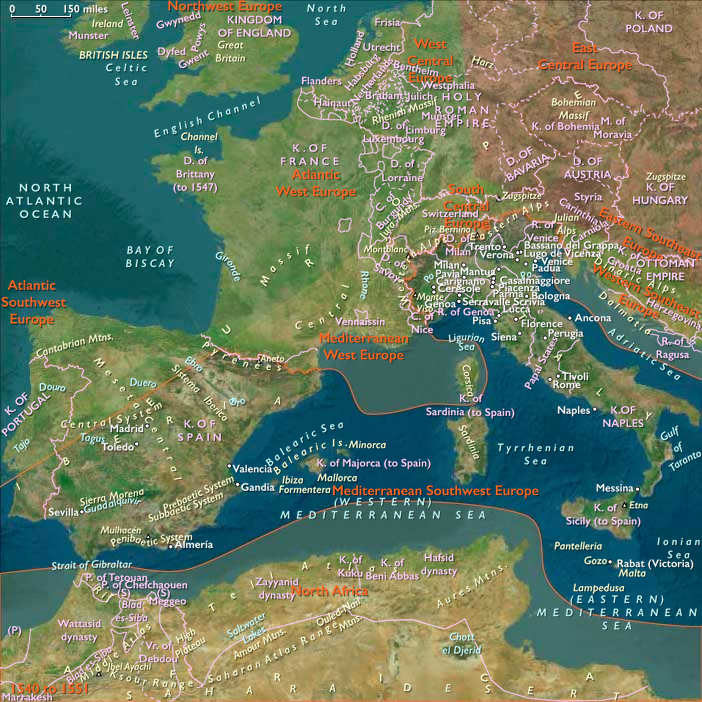
Emperor Charles, having long recognized the need for a thoroughgoing reform of the Roman Catholic Church, finally persuades a reluctant Pope Paul III to summon the Council of Trent in 1545 as a response to the theological and ecclesiological challenges of the Protestant Reformation.
Certain church leaders have long perceived the need for such a council, but initial attempts to organize it have met opposition from King Francis of France, who fears it will strengthen his foe, Charles, and by the papacy itself, which fears a revival of conciliarism.
Paul appoints English Cardinal Reginald Pole one of his legates to the council.
Neither the Protestant nor Orthodox churches recognize Trent, the Roman Catholic Church’s nineteenth ecumenical council, as such.
Considered one of the most important councils in the history of the Catholic Church, it is a major first step in the Counter-Reformation or, as some Roman Catholic scholars call it, the “Catholic Reformation.”
People
Groups
Topics
Subjects
Regions
Southwest Europe
View →Subregions