The Post-Napoleonic Order – The Congress of…
June 1815 CE
The Post-Napoleonic Order – The Congress of Vienna (1815) and the Rise of the Holy Alliance
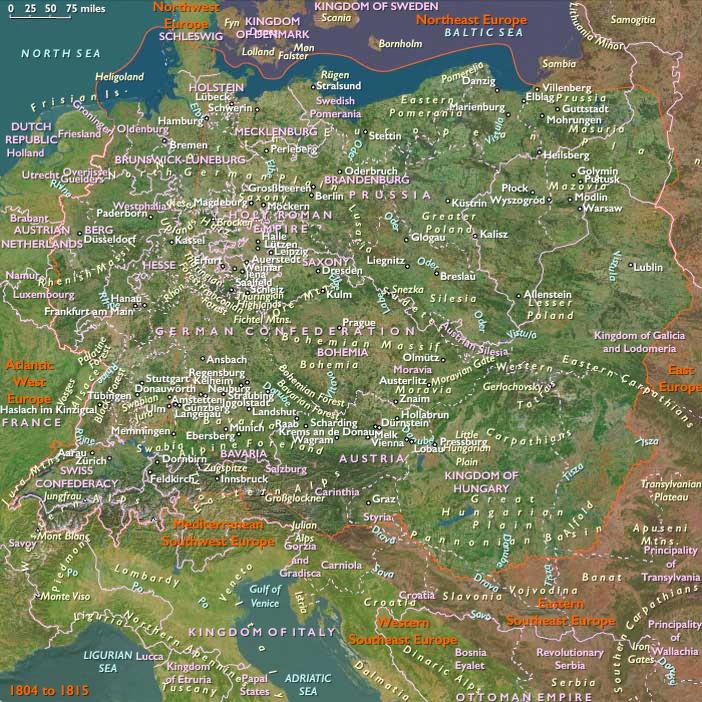
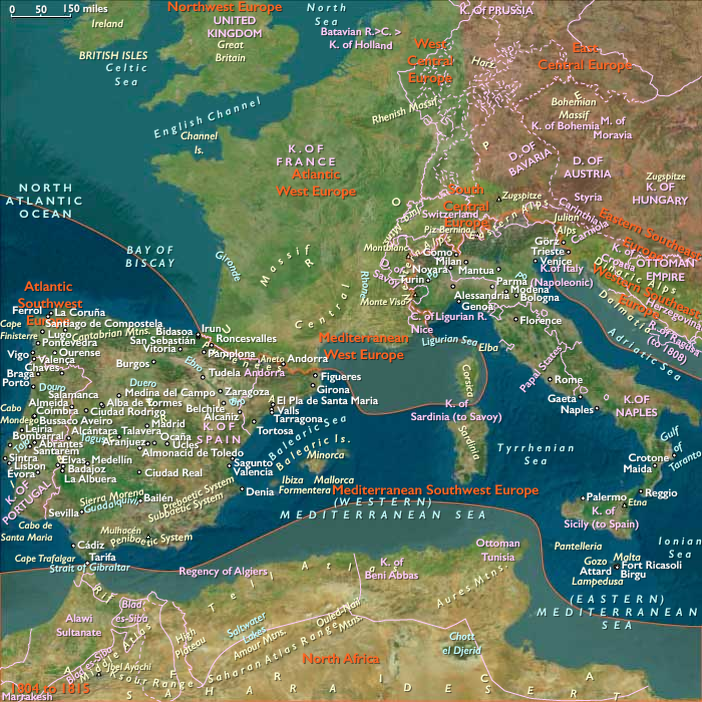
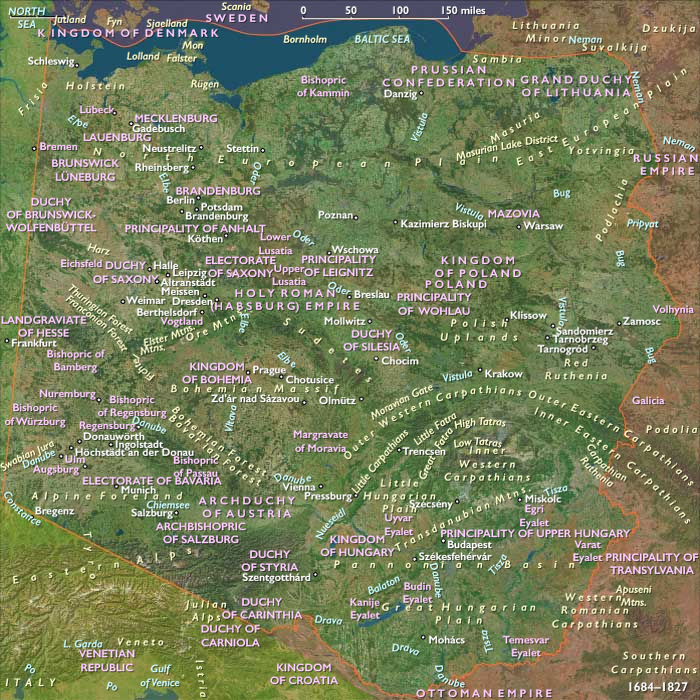
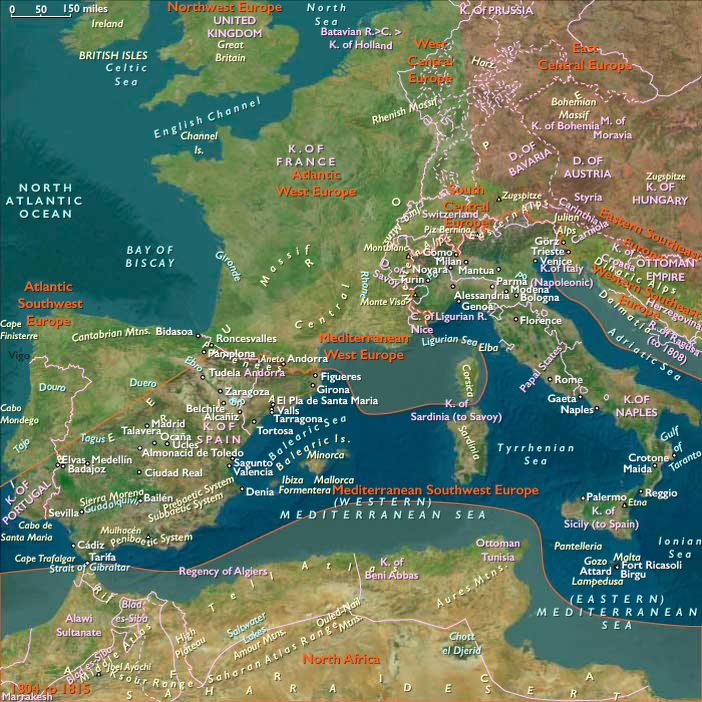
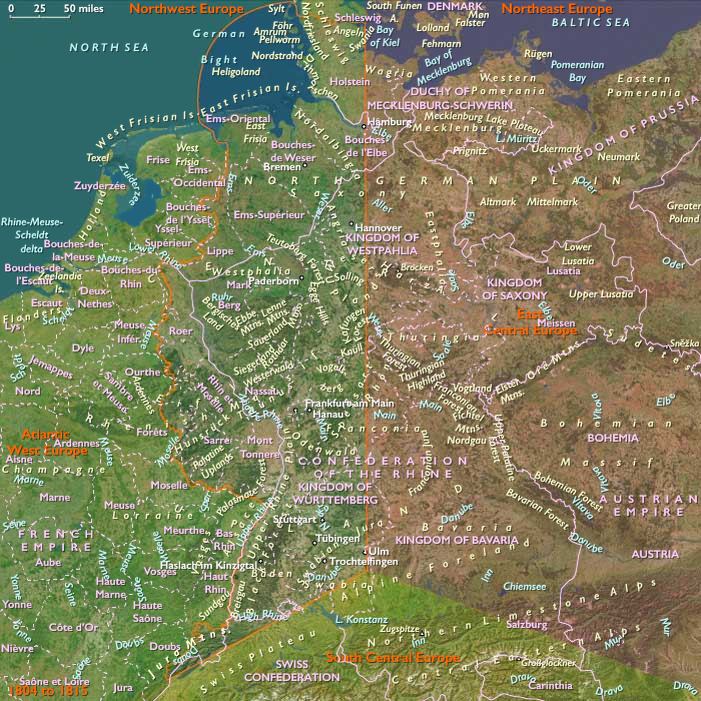
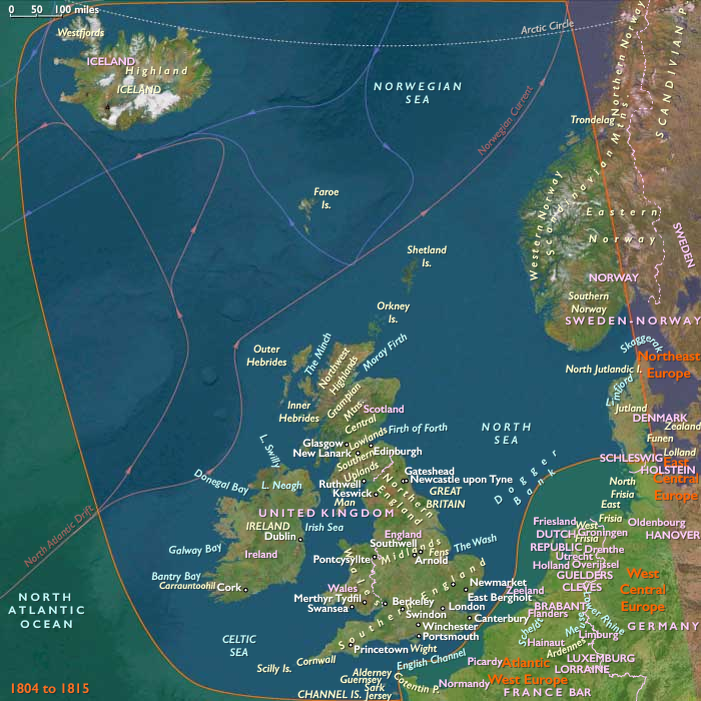
Following Napoleon’s defeat, the Congress of Vienna (1815) aimed to restore Europe’s monarchies, reestablish national borders, and prevent future revolutionary upheaval. While France, Britain, Portugal, and Spain retained their pre-Revolutionary boundaries, new states emerged, and a reactionary alliance sought to crush liberalism across Europe.
Territorial Adjustments and the Kingdom of the Netherlands
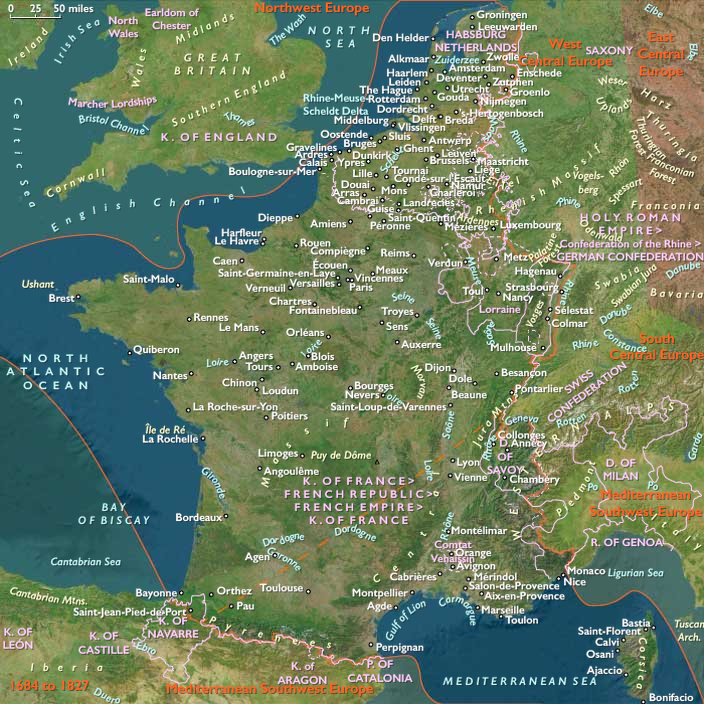
- France reverted to its pre-1789 borders, undoing Napoleon’s territorial expansions but keeping its core territories intact.
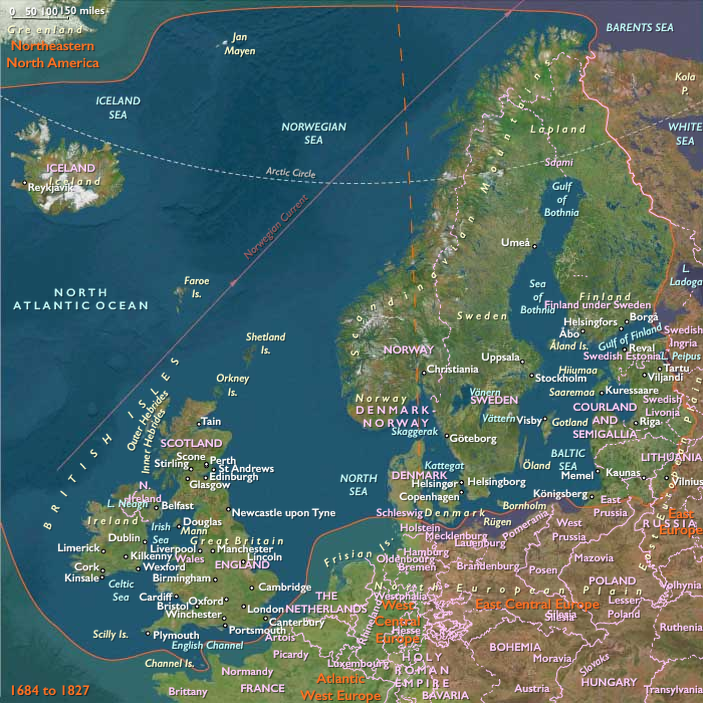
- Great Britain emerged as the world’s dominant global power, expanding its colonial influence while maintaining its maritime supremacy.
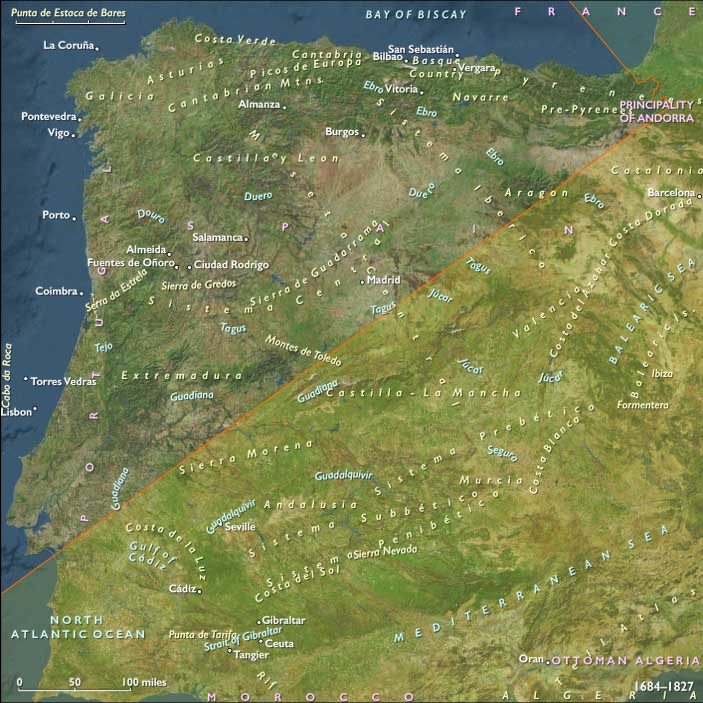
- Portugal and Spain retained their traditional Iberian boundaries, though Spain remained weakened by the Peninsular War.
- The Netherlands was reconfigured:
- The formerly Spanish, later Austrian Netherlands (modern Belgium) merged with the Dutch Republic (United Provinces).
- This formed the Kingdom of the Netherlands, ruled by William I of Orange-Nassau, intended to serve as a buffer state against future French aggression.
The Holy Alliance – A Reactionary Coalition Against Liberalism
-
The Holy Alliance, formed in 1815, included:
- Austria (Habsburg Empire)
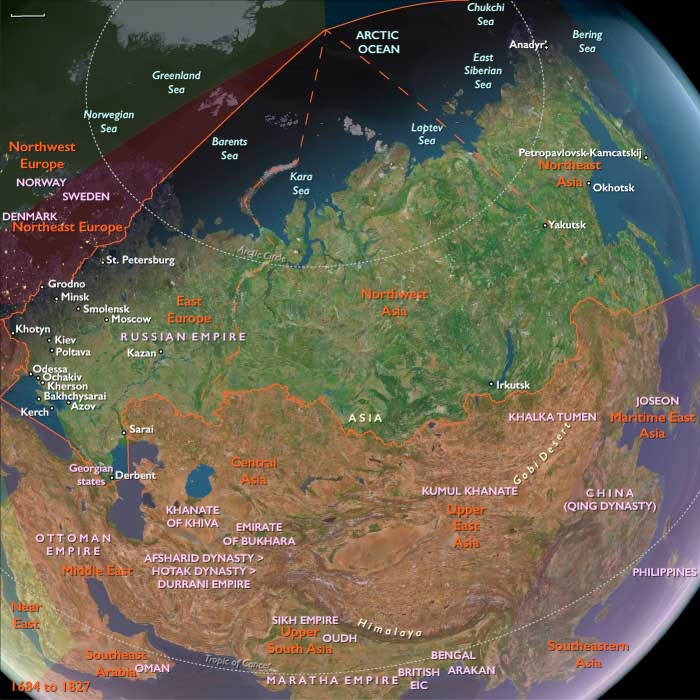
- Russia (Tsarist Empire)
- Prussia
- Spain
- The Pope (representing the Papal States and the Catholic Church’s interests)
-
The alliance aimed to suppress revolutionary movements, democracy, and individual rights, reinforcing absolute monarchies and religious conservatism across Europe.
Britain’s Refusal to Join – A Strategic Move
- Britain refused to join the Holy Alliance, seeing it as a reactionary force that threatened its global influence.
- The British had used liberalism as a tool against their rivals, particularly against:
- The Vatican’s Catholic Church, which Britain saw as an opponent to Protestant and constitutional governance.
- The Russian Orthodox Church and Tsarist autocracy, which Britain viewed as a rival in Eastern Europe and Asia.
- Instead of joining conservative monarchies, Britain pursued a policy of controlled liberalism, using constitutional monarchy and economic expansion to further its global dominance.
Conclusion – The Post-Napoleonic World Order
- Britain emerged as the supreme global power, using trade, naval dominance, and controlled liberalism as strategic tools.
- The Holy Alliance sought to restore absolute monarchy and religious authority, but its repression would spark new revolutionary movements in the coming decades.
- The Congress of Vienna restored the balance of power, but the ideological struggle between reactionary forces and liberal movements would define 19th-century Europe, leading to future conflicts, including the Revolutions of 1848.
The post-Napoleonic world was one of monarchical restoration, political repression, and imperial expansion, yet the seeds of liberal and national revolutions had already been planted, ensuring that the struggles unleashed by the French Revolution were far from over.