
The Pax Romana: A Period of Relative …
Years: 45BCE - 99
The Pax Romana: A Period of Relative Peace with Continuous Warfare (27 BCE – 180 CE)
The Pax Romana (Latin for "Roman Peace") was a period of relative stability and minimal expansion by military force, experienced by the Roman Empire during the first and second centuries CE. However, while large-scale wars were reduced, military conflicts never fully ceased, as Rome still faced rebellions, frontier wars, and military campaigns throughout the empire.
Major Conflicts During the Pax Romana
Although the Pax Romana signified internal stability and the absence of major civil wars, Rome remained engaged in military operations to defend or expand its borders. Some of the most notable conflicts included:
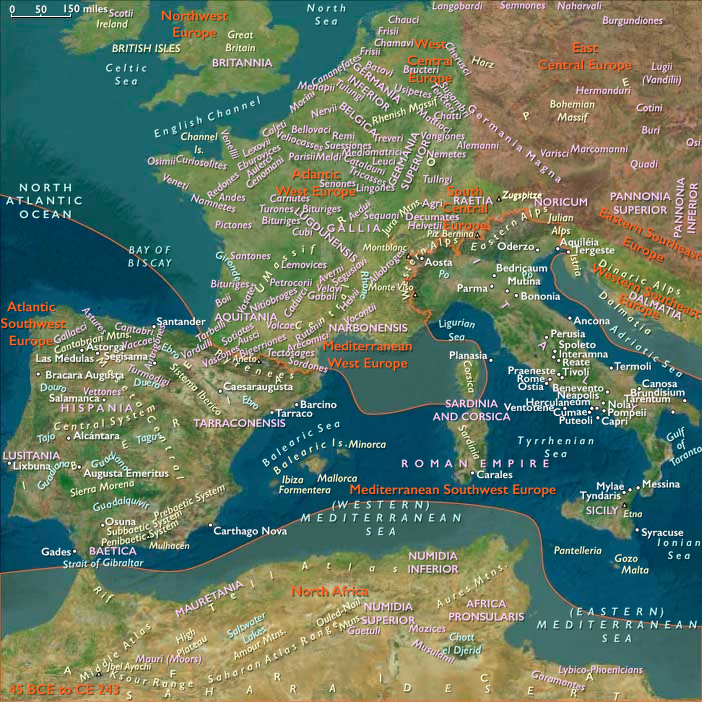
1. The Roman Invasion of Britain and the Boudican Revolt (43–61 CE)
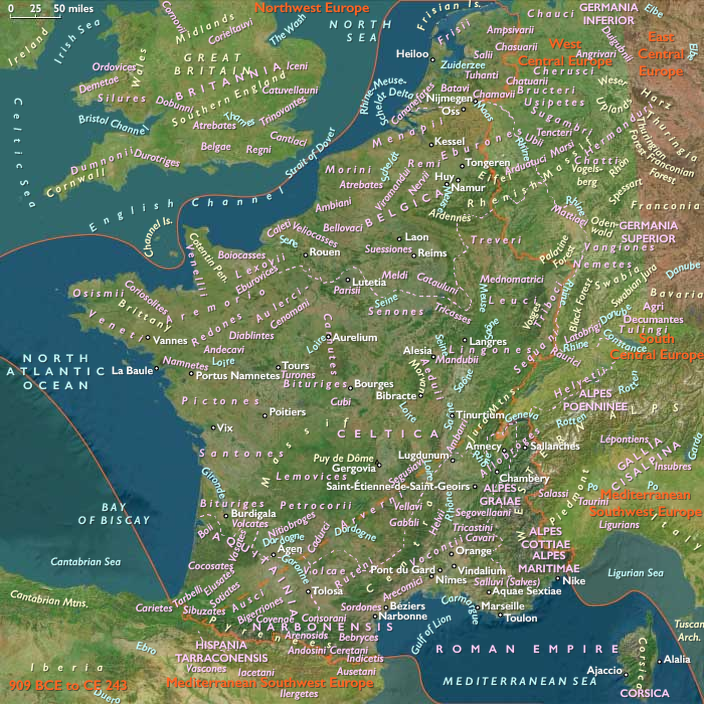
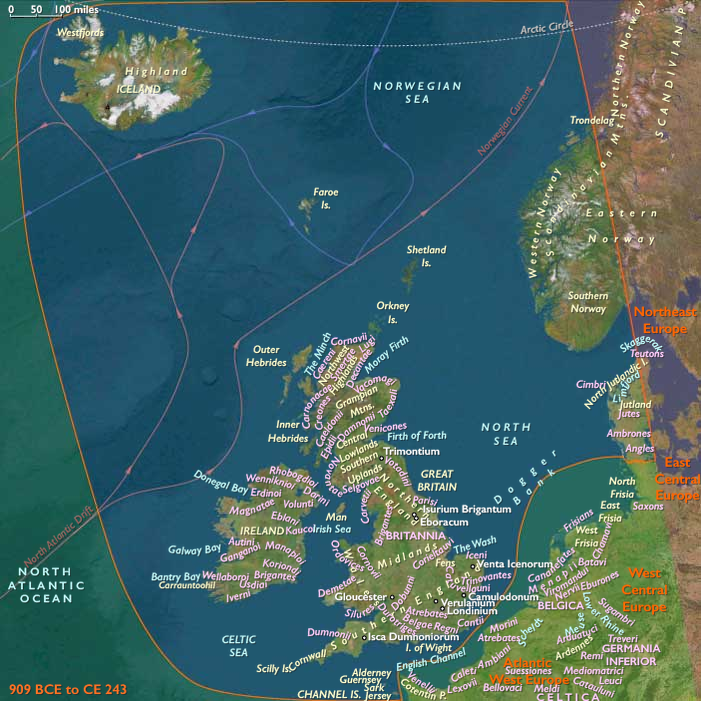
- In 43 CE, Emperor Claudius ordered the invasion of Britain, led by General Aulus Plautius.
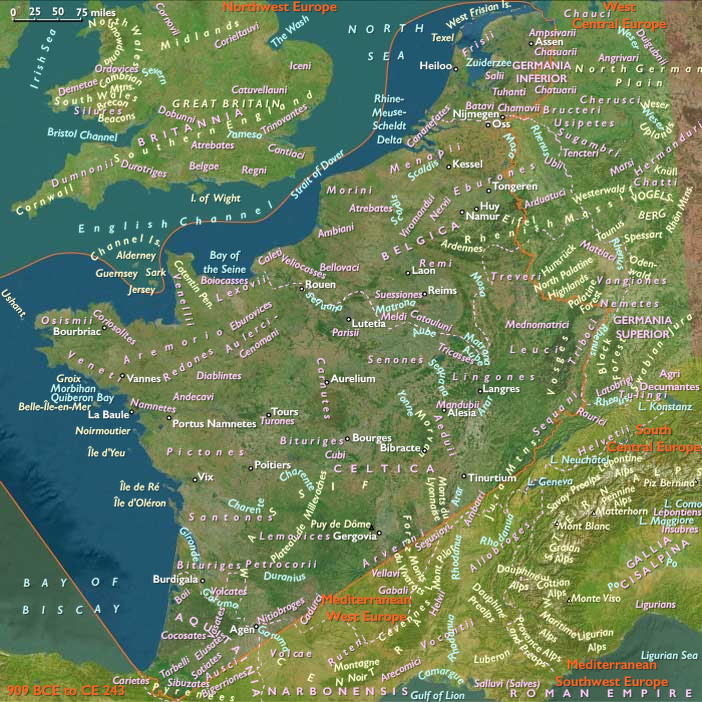
- Rome gradually conquered native tribes, but in 60–61 CE, the Iceni queen Boudica led a massive uprising against Roman rule.
- Her forces destroyed Roman settlements, including Londinium (London), Camulodunum (Colchester), and Verulamium (St Albans).
- The rebellion was ultimately crushed by Governor Suetonius Paulinus, restoring Roman control.
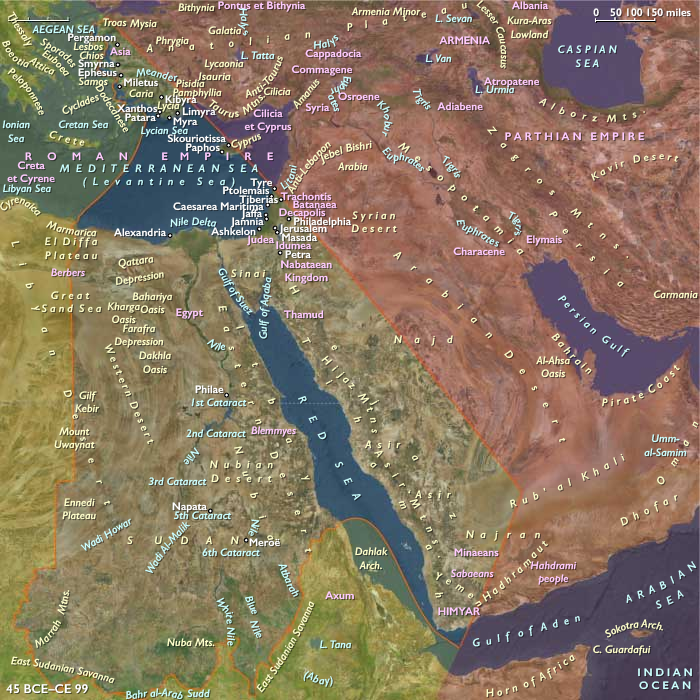
2. The Jewish War (66–73 CE) and the Fall of Jerusalem
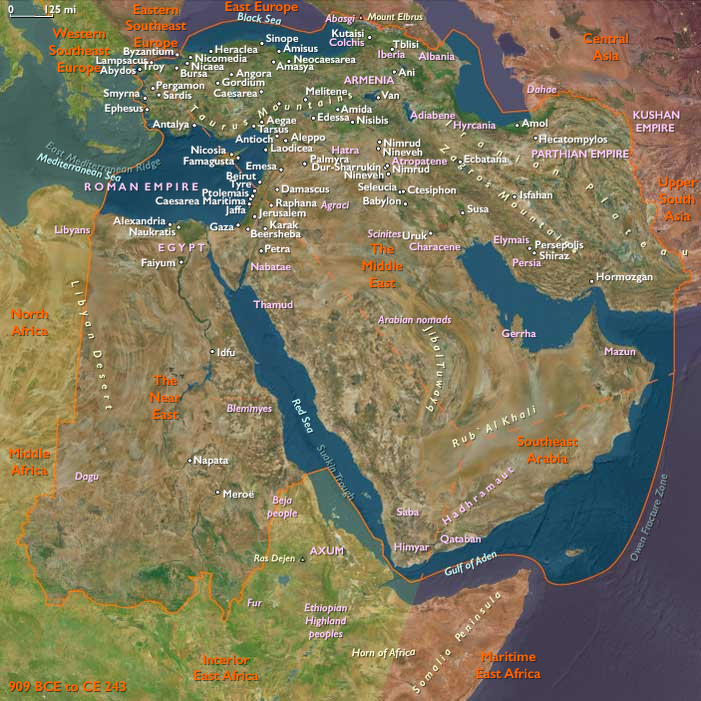
- The province of Judaea, once a client-kingdom, became a Roman province in 6 CE.
- In 66 CE, Jewish rebels rose up against Roman rule, sparking the First Jewish-Roman War.
- Roman forces, led by Vespasian and later his son Titus, besieged and destroyed Jerusalem in 70 CE, including the Second Temple.
- The final Jewish stronghold at Masada fell in 73 CE, ending the revolt.
3. The Batavian Revolt (69–70 CE) in Germania Inferior
- In 69 CE, the Batavi and allied Germanic and Gallic tribes rebelled against Rome in the province of Germania Inferior (modern Netherlands).
- Led by Julius Civilis, the Batavi briefly overran Roman forts and cut off legions.
- The uprising was ultimately suppressed by General Quintus Petillius Cerialis, restoring Roman authority.
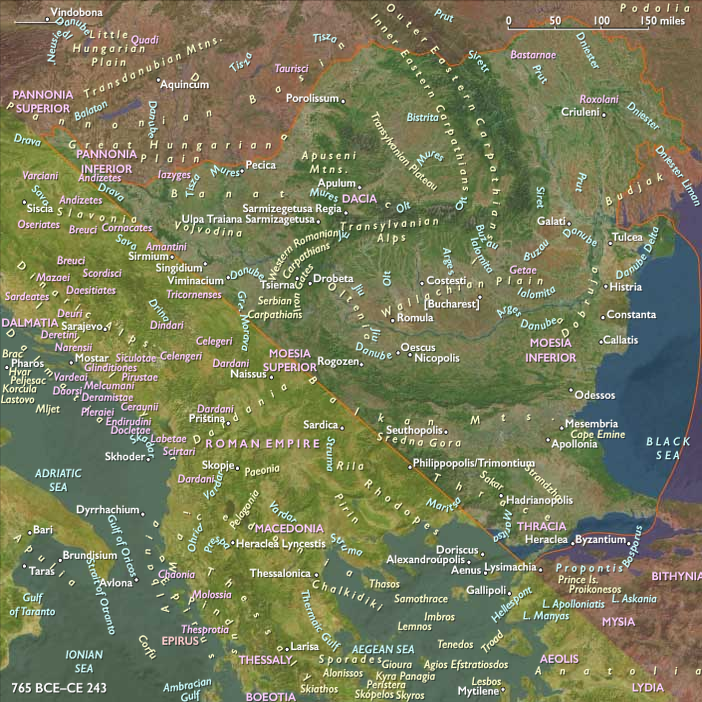
4. The Dacian Wars (Domitian’s Campaigns, 85–88 CE)
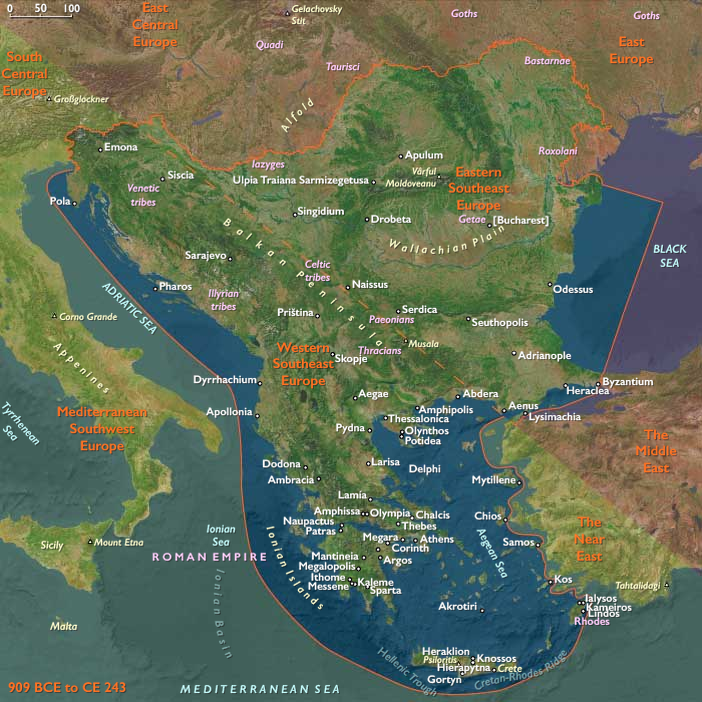
- The Dacians, under King Decebalus, invaded Moesia (in the Balkans) during the reign of Emperor Domitian.
- Rome launched counteroffensives, but Decebalus remained a formidable opponent, forcing Domitian to accept a peace settlement in 89 CE.
- Later, during Emperor Trajan’s reign, Rome would fully conquer Dacia (101–106 CE), incorporating it as a Roman province.
Significance of the Pax Romana and its Military Campaigns
- While the Pax Romana reduced large-scale warfare, Rome still engaged in military conflicts to secure its frontiers, suppress rebellions, and expand its control.
- The period saw fewer civil wars, enabling the empire to focus on infrastructure, economy, and governance.
- The Roman legions remained active, ensuring stability in regions where resistance to Roman rule persisted.
The Pax Romana (27 BCE – 180 CE) was thus a relative peace rather than an absolute one, demonstrating that even at the height of its power, Rome relied on military force to maintain and expand its empire.
People
Groups
- Dacians, or Getae, or Geto-Dacians
- Britain, Iron Age
- Jews
- Britons (historical)
- Dacia, Kingdom of
- Batavi (Germanic tribe)
- Germania Inferior (Roman province)
- Roman Principate (Rome)
- Moesia (Roman province)
- Judea (Roman province)
- Roman Empire (Rome): Julio-Claudian dynasty
- Britain, Roman
- Roman Empire (Rome): Flavian dynasty
- Roman Empire (Rome): Nerva-Antonine dynasty
Topics
- Roman colonization
- Pax Romana
- Illyrian Revolt, Great
- Aulus Plautius' Roman invasion of Britain
- Roman Conquest of Britain
- Boudica's uprising
- First Jewish-Roman War, or Jewish Revolt of 66-73
- Year of the Four Emperors, or Roman Civil War of 68-69
- Batavi, Revolt of the
- Domitian's Dacian War
Subjects
Regions
Subregions
- Eastern Southeast Europe
- Near East
- Mediterranean Southwest Europe
- Atlantic West Europe
- Northwest Europe
Related Events
Showing 10 events out of 62463 total
Years: 45BCE - 99
People
Groups
- Dacians, or Getae, or Geto-Dacians
- Britain, Iron Age
- Jews
- Britons (historical)
- Dacia, Kingdom of
- Batavi (Germanic tribe)
- Germania Inferior (Roman province)
- Roman Principate (Rome)
- Moesia (Roman province)
- Judea (Roman province)
- Roman Empire (Rome): Julio-Claudian dynasty
- Britain, Roman
- Roman Empire (Rome): Flavian dynasty
- Roman Empire (Rome): Nerva-Antonine dynasty
Topics
- Roman colonization
- Pax Romana
- Illyrian Revolt, Great
- Aulus Plautius' Roman invasion of Britain
- Roman Conquest of Britain
- Boudica's uprising
- First Jewish-Roman War, or Jewish Revolt of 66-73
- Year of the Four Emperors, or Roman Civil War of 68-69
- Batavi, Revolt of the
- Domitian's Dacian War
Subjects
Regions
Subregions
- Eastern Southeast Europe
- Near East
- Mediterranean Southwest Europe
- Atlantic West Europe
- Northwest Europe