Theodosius I and the Defeat of Magnus…
388 CE to 399 CE
Theodosius I and the Defeat of Magnus Maximus
In the late fourth century, Emperor Theodosius I faces a formidable challenge in the West from the usurper Magnus Maximus, who had declared himself emperor in 383 CE.
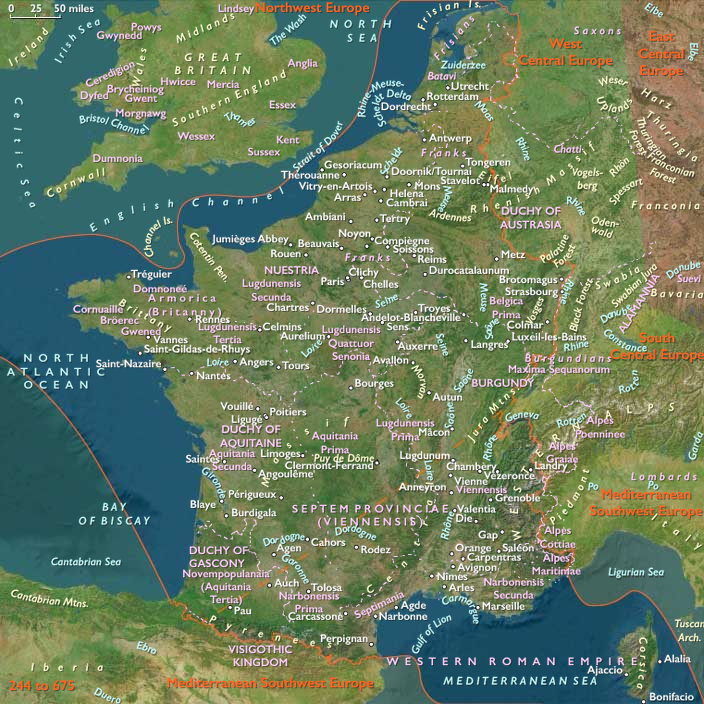
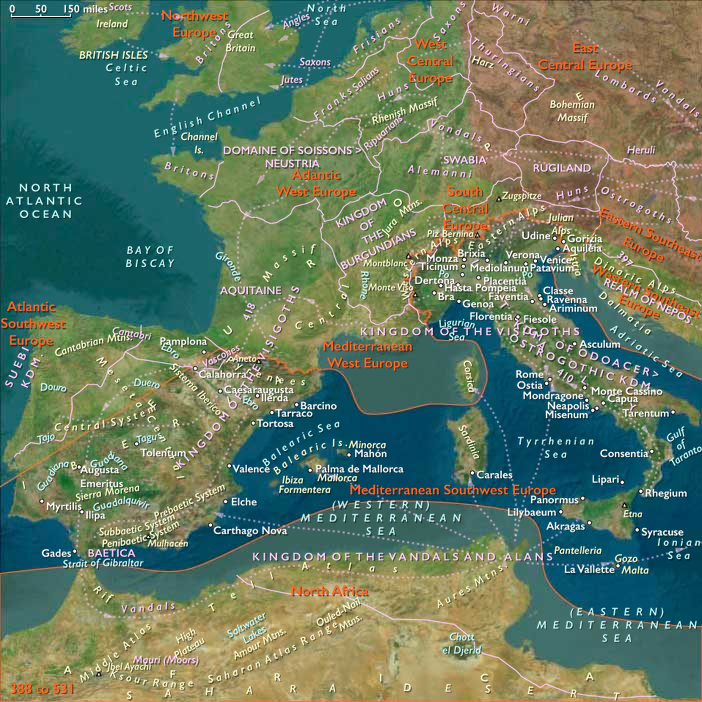
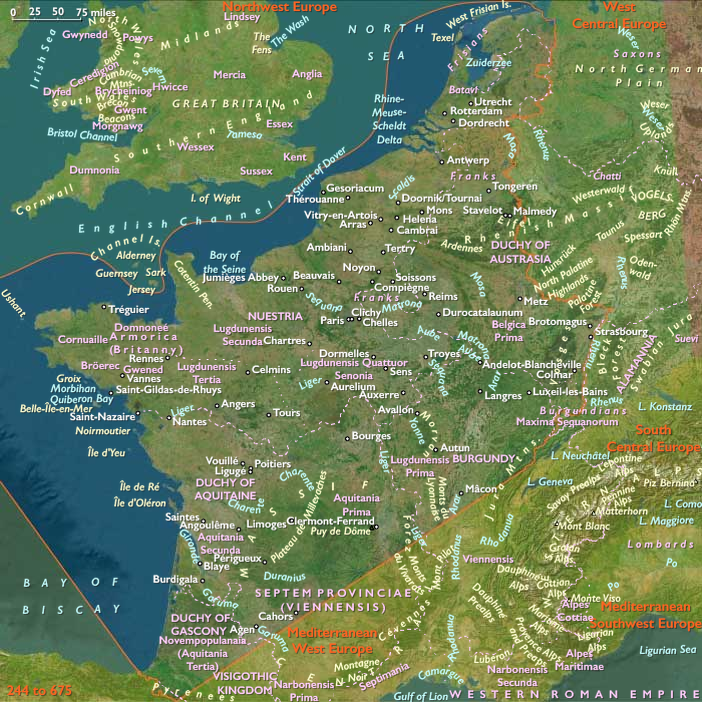
- To support his claim, Maximus strips troops from Britannia, likely replacing some with federate chieftains and their warbands, before launching an invasion of Gaul.
- His forces kill Emperor Gratian, and he is subsequently recognized as Augustus in the Gallic provinces, where he oversees the first official executions of Christian heretics.
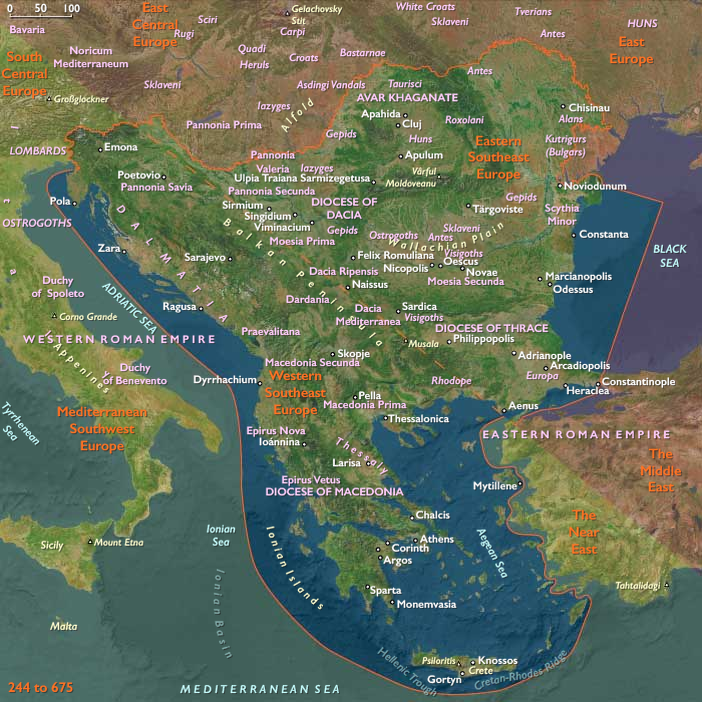
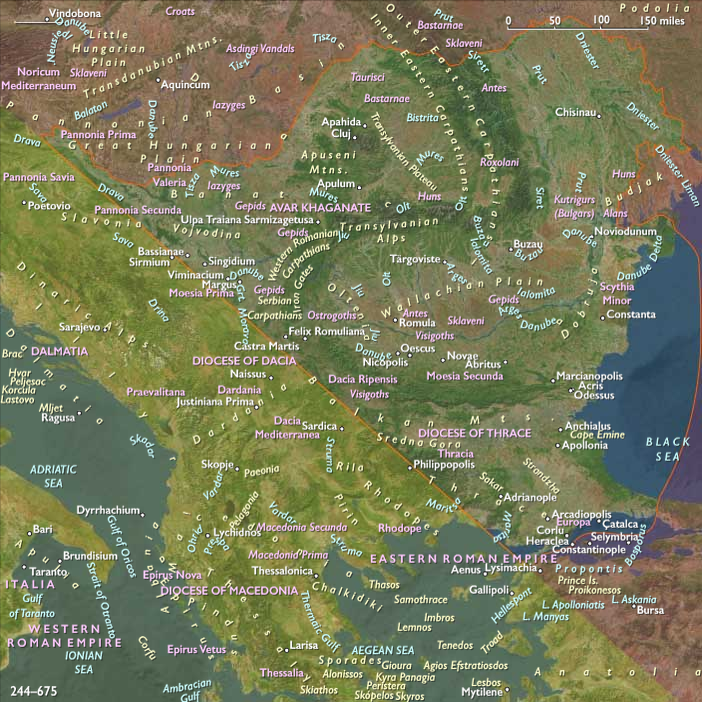
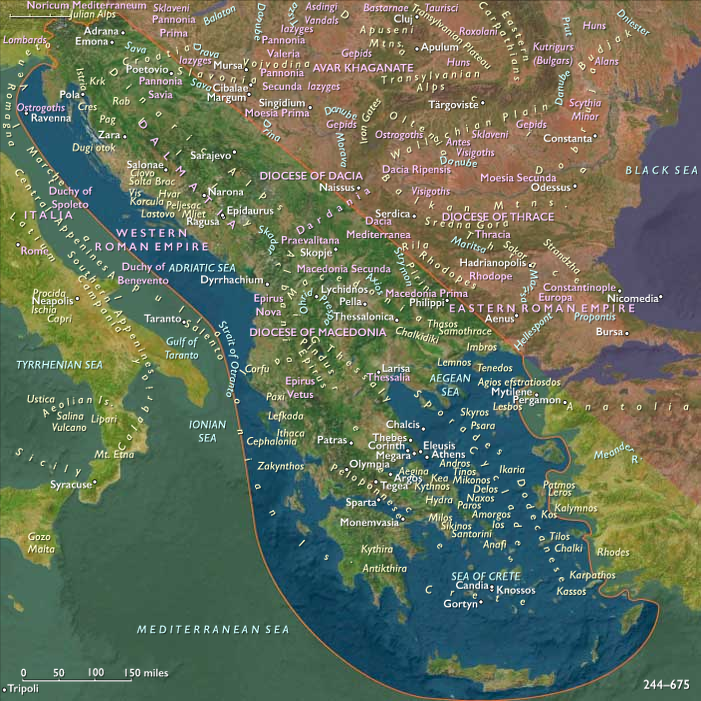
- In response to the Western court’s loss of Gaul, Hispania, and Britannia, Theodosius compensates by ceding control of the Diocese of Dacia and the Diocese of Macedonia to the Western Empire.
Maximus’ Invasion of Italy and Theodosius’ Counterattack
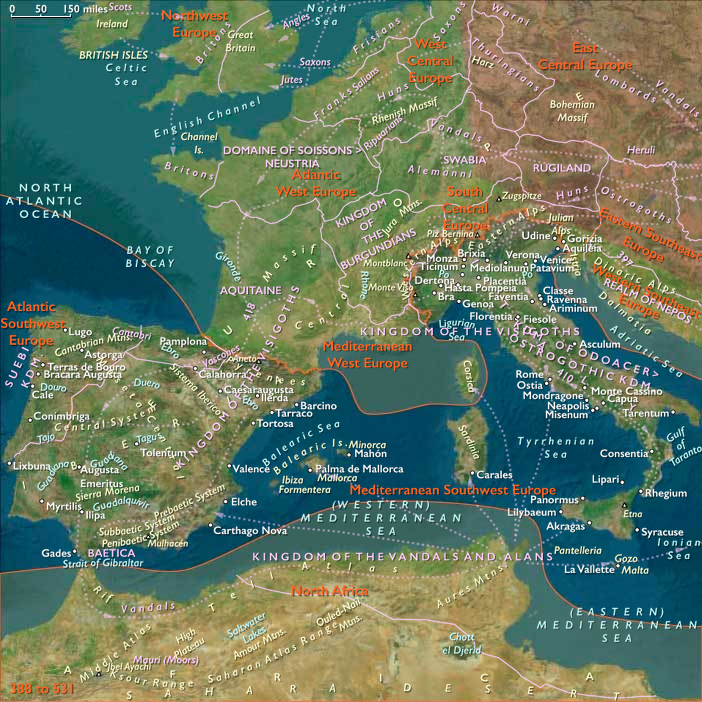
In 387 CE, Maximus invades Italy, forcing Emperor Valentinian II to flee to the East, where he formally embraces Nicene Christianity.
Both leaders command large, multi-ethnic armies—Maximus boasts to Bishop Ambrose about the barbarians in his ranks, while Theodosius similarly relies on Goths, Huns, and Alans.
- Maximus seeks to negotiate recognition as Augustus of the West, but Theodosius refuses.
- Instead, in 388 CE, he launches a decisive counteroffensive, crushing Maximus and securing victory in the civil war.
Though the conflict results in heavy troop losses on both sides, Theodosius I emerges as the undisputed ruler of the Roman Empire, consolidating his authority over both East and West.