
Henry Phipps Jr
American entrepreneur
1839 CE to 1930 CE
Henry Phipps Jr. (September 27, 1839 – September 22, 1930) is an American entrepreneur known for his business relationship with Andrew Carnegie and involvement with the Carnegie Steel Company.
He is also a successful real estate investor.
After selling his stock in Carnegie Steel, he devotes a great deal of his time and money to philanthropic works.
World
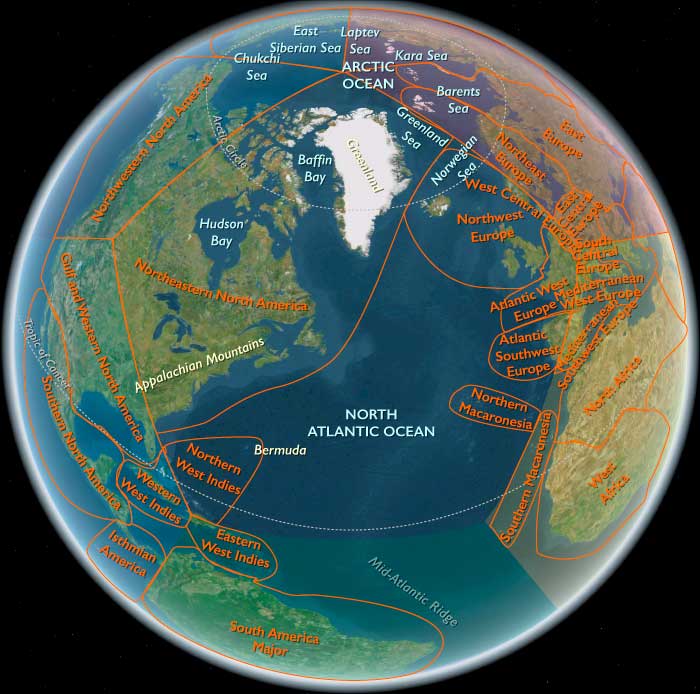
The Atlantic Lands
View →Related Events
Showing 2 events out of 2 total
Andrew Carnegie consolidates his various holdings into the Carnegie Steel Company in 1892, allowing him to gain a monopoly in the United States steel industry.
Carnegie had begun the construction of his first steel mill, the Edgar Thomson Steel Works, in 1872 at Braddock, Pennsylvania.
The Thomson Steel Works had begun producing rails in 1874.
By a combination of low wages, efficient technology infrastructure investment and an efficient organization, the mill produces cheap steel, which sells for a large profit in the growing markets of industrial development.
Carnegie alone estimates that forty percent had been returned on the investment: i.e., a profit of $40,000 from a $100,000 investment in the mill.
The profits made by the Edgar Thomson Steel Works had been enough to let Carnegie and his partners, including Henry Clay Frick, his brother Thomas M. Carnegie, his cousin George Lauder, and Henry Phipps Jr., to buy other nearby steel mills.
These included the Homestead Steel Works, which Carnegie acquired in 1883.
The presence of the Allegheny, Monongahela, and Ohio rivers provide transport for the heavy materials associated with steel-making.
Each plant is nearby or alongside a river.
Carnegie has agreed to Frick's subsequent proposal that the various plants and assets be consolidated into one company.
This consolidation occurs on July 1, 1892, with the formation of the Carnegie Steel Company.
Carnegie Steel had made major technological innovations in the 1880s, especially the installation of the open hearth furnace system at Homestead in 1886.
It now became possible to make steel suitable for structural beams and, with the advanced work of George Lauder in arms and armament, for armor plate for the U.S. Navy and the militaries of other governments, which pay far higher prices for the premium product
In addition, the plant moves increasingly toward the continuous system of production.
Carnegie has installed vastly improved systems of material-handling, like overhead cranes, hoists, charging machines, and buggies.
All of this greatly speeds the process of steelmaking, and allows the production of far vaster quantities of steel.
As the mills expand, the labor force grows rapidly, especially less skilled workers.
The more skilled union members react with the unsuccessful 1892 Homestead Strike, along with demands for reduced working hours and against pay cuts.