Atlantic Southwest Europe (1108–1119 CE): Dynastic Transitions,…
1108 CE to 1119 CE
Atlantic Southwest Europe (1108–1119 CE): Dynastic Transitions, Portuguese Consolidation, and Cultural Expansion
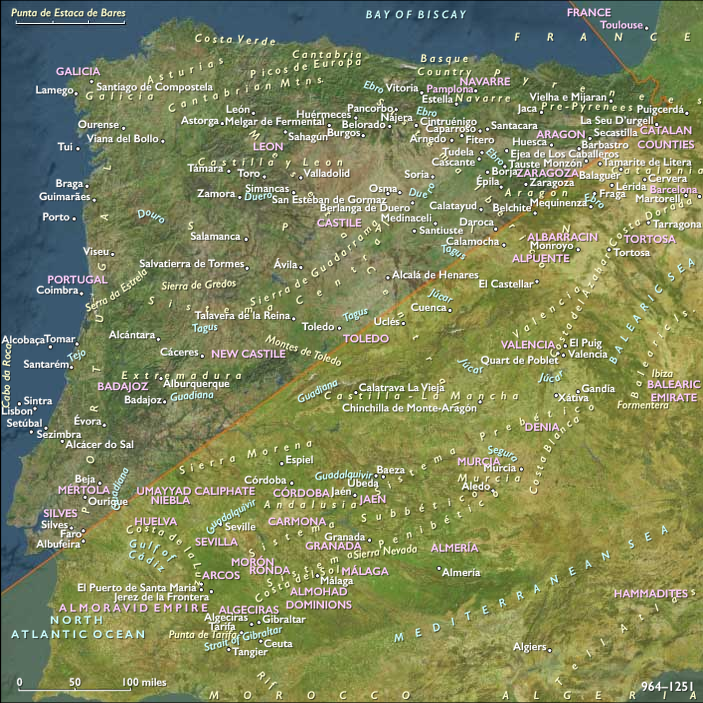
Between 1108 and 1119 CE, Atlantic Southwest Europe—including Galicia, northern and central Portugal, Asturias, Cantabria, and northern Spain south of the Franco-Spanish border (43.05548° N, 1.22924° W)—experienced significant dynastic transitions, regional consolidations, and continued cultural flourishing. The death of Alfonso VI of León-Castile (1109 CE) initiated critical political realignments, as his daughter, Urraca (1109–1126 CE), inherited the kingdom, marking a period of political instability yet continued administrative cohesion. The County of Portugal, now led by Countess Teresa (1112–1128 CE), daughter of Alfonso VI, further consolidated autonomy, decisively shaping its path toward independence. Meanwhile, the union of Navarre and Aragón, under Alfonso I "the Battler" (1104–1134 CE), maintained robust territorial stability and assertive frontier policies, notably intensifying conflicts with southern Islamic territories, significantly influencing Iberian political dynamics.
Political and Military Developments
Succession Crisis in León-Castile: Urraca’s Reign (1109–1126 CE)
The death of Alfonso VI in 1109 resulted in a turbulent succession, with his daughter Queen Urraca ascending the throne. Her marriage to Alfonso I of Aragón in 1109 briefly united León-Castile with Aragón-Navarre, though tensions between the kingdoms quickly surfaced, triggering internal conflicts. Urraca skillfully navigated these complexities, maintaining territorial integrity and administrative continuity despite internal strife, laying essential groundwork for later stability.
Consolidation of Portuguese Autonomy under Countess Teresa (1112–1128 CE)
Following the death of Raymond of Burgundy in 1107, his widow, Countess Teresa, assumed control of Portugal around 1112. Teresa further consolidated regional autonomy, fortifying local governance structures, territorial integrity, and Portuguese identity. Her astute political leadership significantly strengthened Portugal’s distinct civic identity and administrative cohesion, decisively advancing regional autonomy toward future sovereignty.
Alfonso I of Aragón-Navarre: Frontier Expansion
Alfonso I "the Battler", ruler of Aragón and Navarre, pursued aggressive expansionist policies against Islamic taifa kingdoms, notably focusing southward toward the Ebro valley and Zaragoza. Alfonso's assertive military campaigns decisively shaped regional geopolitics, significantly influencing territorial boundaries and inter-kingdom diplomacy within Iberia.
Economic Developments
Regional Economic Resilience
The region maintained strong economic resilience despite political instability. Agricultural productivity flourished, enhanced by sustained incorporation of Moorish farming techniques, notably advanced irrigation systems and new crop varieties. Mining in Galicia and Asturias, alongside thriving livestock husbandry and artisanal industries, contributed significantly to regional prosperity and stability.
Maritime Trade Expansion
Coastal settlements, particularly Braga, Porto, and other northern Portuguese ports, steadily expanded commercial trade networks with Atlantic and northern European markets. The maritime commerce significantly enhanced regional economic vitality and cultural exchanges, further bolstering local autonomy and prosperity.
Pilgrimage-Driven Commerce
The pilgrimage route to Santiago de Compostela continued stimulating robust economic activity, fostering steady regional trade, hospitality industries, and cultural exchange networks. The continuous flow of pilgrims significantly reinforced Galicia’s economic prosperity and cultural prominence.
Cultural and Religious Developments
Continued Prominence of Santiago de Compostela
Pilgrimage activity remained robust, solidifying Santiago de Compostela’s international prominence as a spiritual, cultural, and economic center. Ecclesiastical leaders utilized pilgrimage revenues for significant investments in infrastructure, education, and charitable activities, decisively shaping regional cultural identity.
Monastic Intellectual and Agricultural Innovation
Monastic communities, notably influenced by Cluniac reforms, actively promoted educational advancement, manuscript preservation, scholarly pursuits, and agricultural innovation. Their sustained intellectual and cultural contributions significantly shaped regional resilience, social cohesion, and historical heritage.
Enduring Cultural Syncretism
Integration of orthodox Christianity with local Iberian and Celtic traditions continued strongly, particularly prominent in rural Galicia, Asturias, and northern Portugal. These syncretic practices fostered unique regional identities, strengthening social cohesion and cultural resilience despite political instabilities.
Civic Identity and Governance
Local Governance amid Dynastic Complexity
Queen Urraca’s reign brought central political instability yet maintained robust regional governance. Local aristocrats and bishops provided critical administrative continuity, civic stability, and governance coherence, notably preserving territorial integrity despite broader dynastic turmoil.
Portuguese Civic Identity under Countess Teresa
Under Teresa’s leadership, Portuguese territorial cohesion, administrative autonomy, and distinct civic identity significantly strengthened. Her effective frontier management and local governance decisively influenced Portuguese regional identity, laying essential foundations for future national sovereignty.
Aragón-Navarre Governance Stability
Under Alfonso I, Aragón-Navarre maintained cohesive territorial governance, strong civic identity, and effective frontier security. Alfonso’s assertive military policies decisively shaped regional governance and territorial stability, significantly influencing northern Iberian dynamics.
Notable Tribal Groups and Settlements
-
Astures and Cantabri: Continued providing frontier security, local governance stability, and regional cohesion amid dynastic transitions, decisively shaping territorial integrity.
-
Galicians and Lusitanians: Played pivotal roles in maintaining economic prosperity, cultural resilience, and governance stability, notably reinforcing Santiago’s pilgrimage prominence and Portuguese autonomy.
-
Basques (Navarre): Maintained resilient political identity, governance stability, and territorial coherence under Aragónese union, significantly influencing regional diplomatic strategies and cultural continuity.
Long-Term Significance and Legacy
Between 1108 and 1119 CE, Atlantic Southwest Europe:
-
Experienced critical political transitions following Alfonso VI’s death, notably through Urraca’s turbulent yet resilient rule, decisively shaping regional stability and governance structures.
-
Further consolidated Portuguese regional autonomy and governance under Countess Teresa, significantly advancing the region toward national independence.
-
Maintained stable Aragón-Navarre governance and assertive frontier expansion under Alfonso I, significantly reshaping regional political dynamics and territorial cohesion.
-
Sustained robust economic growth, pilgrimage traditions, cultural resilience, ecclesiastical authority, and enduring local governance, decisively influencing the region’s medieval trajectory.
This era significantly influenced regional political realignments, economic resilience, cultural identities, and territorial stability, profoundly shaping Atlantic Southwest Europe's enduring historical legacy and medieval trajectory.
People
Groups
Topics
Commodities
Subjects
Regions
Southwest Europe
View →Subregions