
Northeast Europe (1540–1683 CE): Wars, Imperial Ambitions, …
Years: 1540 - 1683
Northeast Europe (1540–1683 CE): Wars, Imperial Ambitions, and Cultural Transformations
Introduction
Between 1540 and 1683 CE, Northeast Europe experienced considerable upheaval marked by wars, shifting alliances, imperial ambitions, and profound cultural transformations stemming from the Reformation's aftermath. This era redefined regional power structures, intensified international rivalry, and significantly influenced the cultural and economic trajectories of Northeast European states.
Political and Military Conflicts
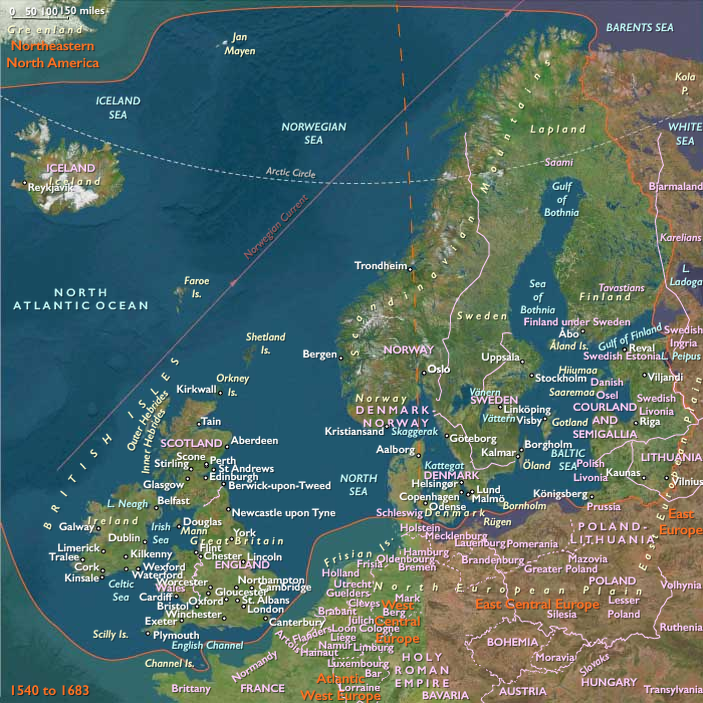
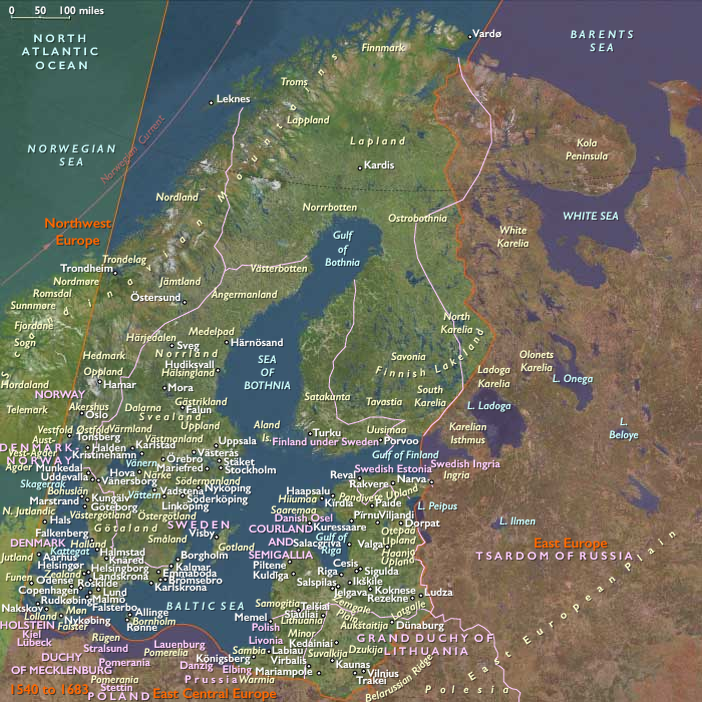
Sweden emerged as a major power under dynamic leaders such as Gustavus Adolphus and expanded aggressively throughout the Baltic region. The Livonian War (1558–1583) saw Sweden, Denmark-Norway, Poland-Lithuania, and Russia competing fiercely for control over Livonia (modern-day Estonia and Latvia). Ivan IV of Russia nearly succeeded in conquering the region before being pushed back by Swedish and Polish interventions, resulting in heavy population losses and territorial shifts. Sweden eventually secured significant territories, boosting its regional influence.
Denmark-Norway frequently clashed with Sweden in multiple conflicts, notably the Northern Seven Years' War (1563–1570) and the Kalmar War (1611–1613), as it struggled to maintain Baltic dominance. Finland, under Swedish rule, experienced devastating military campaigns, particularly the Long Wrath (1570–1595), causing widespread destruction.
Imperial Expansion and Rivalries
Sweden’s imperial ambitions peaked during the Thirty Years' War (1618–1648), where, under Gustavus Adolphus, Sweden significantly expanded into the Holy Roman Empire. Swedish territories included northern German lands such as Swedish Pomerania, Bremen-Verden, and the port of Wismar. Although Gustavus Adolphus died at the Battle of Lützen (1632), Sweden continued to dominate the Baltic Sea, reaching its territorial zenith after the Treaty of Roskilde (1658).
Denmark-Norway sought limited expansion, while Russia, under Tsar Ivan IV "the Terrible," continued westward ambitions, repeatedly clashing with Sweden for Baltic access and territories.
Reformation's Continued Impact
The Protestant Reformation entrenched Lutheranism firmly across Northeast Europe, reshaping social, political, and cultural institutions. Sweden-Finland's Lutheran orthodoxy solidified with ecclesiastical laws, significantly promoting literacy through mandatory religious education. Mikael Agricola, bishop of Turku, translated the Bible into Finnish (1548), laying foundations for Finnish literary culture. Åbo Academy, founded in 1640, became Finland's premier educational institution.
Cultural and Intellectual Developments
The period saw remarkable cultural flourishing. Sweden’s educational initiatives, including founding the University of Tartu (1632) in Estonia, significantly enhanced regional education. Estonia’s parish schools began in the 1680s, under Swedish rule. The cultural landscape in Lithuania, united politically with Poland in the Polish-Lithuanian Commonwealth (1569), was influenced significantly by Polish institutions, introducing Western education and cultural models.
Literature, architecture, music, and visual arts thrived, reflecting Renaissance and early Enlightenment influences. Royal and noble patronage significantly fostered artistic and intellectual advancements across the region.
Social and Economic Transformations
Urban centers expanded due to Hanseatic trade and merchant activities, with cities such as Tallinn, Tartu, Stockholm, Copenhagen, and Riga flourishing economically and culturally. Rural regions faced hardship due to warfare, taxation, and feudal demands, with Estonian peasants notably suffering increasing land appropriations by seigniorial estates under Swedish governance.
Expansion and Colonization
Sweden pursued overseas colonial ambitions, briefly establishing the colony of New Sweden in North America (1638–1655). Denmark-Norway also ventured into colonial endeavors in the Caribbean and West Africa, enhancing their trade-based wealth.
Baltic States under Foreign Rule
Estonia was divided into northern (Duchy of Estland) and southern regions (Livland) under Swedish rule. The local German nobility strengthened their position, significantly impacting the region’s social hierarchy. Latvian territories faced similar foreign dominance by Sweden and Poland, profoundly shaping social and economic structures.
Legacy of the Age
The period from 1540 to 1683 CE profoundly reshaped Northeast Europe through sustained military conflicts, ambitious imperial expansions, and significant cultural and intellectual developments. These transformations created enduring patterns of political authority, religious identity, cultural achievements, and socio-economic conditions, fundamentally shaping Northeast Europe’s historical trajectory.
People
Groups
- Polytheism (“paganism”)
- Finns
- Sami people
- Tavastians
- Karelians
- Estonians
- Balts
- Latvians, or Letts (Eastern Balts)
- Sweden, Kingdom of
- Christians, Roman Catholic
- Finland under Swedish rule
- Riga, Bishopric/Archbishopric of
- Terra Mariana (Livonian Confederation)
- Estonia, Danish
- Ordensstaat (Monastic state of the Teutonic Knights)
- Livonian Order
- Estonian Swedes
- Hanseatic League
- Denmark, Kingdom of (Personal Union of Denmark and Norway)
- Poland of the Jagiellonians, Kingdom of
- Lithuania, Grand Duchy of
- Kalmar Union (of Denmark, Norway and Sweden)
- Holy Roman Empire
- Lutheranism
- Protestantism
- Kalmar Union (of Denmark and Norway)
- Prussia, Duchy of
- Denmark-Norway, Kingdom of
- Russia, Tsardom of
- Swedish Empire
- Polish-Lithuanian Commonwealth (Commonwealth of the Two Nations)
- Finland, (Swedish) Grand Duchy of
- Pomerania, Swedish
- New Sweden (Swedish Colony)
- Bremen-Verden
Topics
- Protestant Reformation
- Livonian War
- Northern Seven Years' War
- Polish-Swedish War for Livonia, First
- Kalmar, War of
- Thirty Years' War
- Lützen, Battle of
- Colonization of the Americas, Swedish
Commodoties
Subjects
Regions
Subregions
Related Events
Showing 10 events out of 37475 total
Years: 1540 - 1683
People
Groups
- Polytheism (“paganism”)
- Finns
- Sami people
- Tavastians
- Karelians
- Estonians
- Balts
- Latvians, or Letts (Eastern Balts)
- Sweden, Kingdom of
- Christians, Roman Catholic
- Finland under Swedish rule
- Riga, Bishopric/Archbishopric of
- Terra Mariana (Livonian Confederation)
- Estonia, Danish
- Ordensstaat (Monastic state of the Teutonic Knights)
- Livonian Order
- Estonian Swedes
- Hanseatic League
- Denmark, Kingdom of (Personal Union of Denmark and Norway)
- Poland of the Jagiellonians, Kingdom of
- Lithuania, Grand Duchy of
- Kalmar Union (of Denmark, Norway and Sweden)
- Holy Roman Empire
- Lutheranism
- Protestantism
- Kalmar Union (of Denmark and Norway)
- Prussia, Duchy of
- Denmark-Norway, Kingdom of
- Russia, Tsardom of
- Swedish Empire
- Polish-Lithuanian Commonwealth (Commonwealth of the Two Nations)
- Finland, (Swedish) Grand Duchy of
- Pomerania, Swedish
- New Sweden (Swedish Colony)
- Bremen-Verden
Topics
- Protestant Reformation
- Livonian War
- Northern Seven Years' War
- Polish-Swedish War for Livonia, First
- Kalmar, War of
- Thirty Years' War
- Lützen, Battle of
- Colonization of the Americas, Swedish
Commodoties
Subjects
Regions
Subregions