The Iberian Expulsion of the Jews and…
1492 CE to 1503 CE
The Iberian Expulsion of the Jews and its European Consequences (1492–1498)
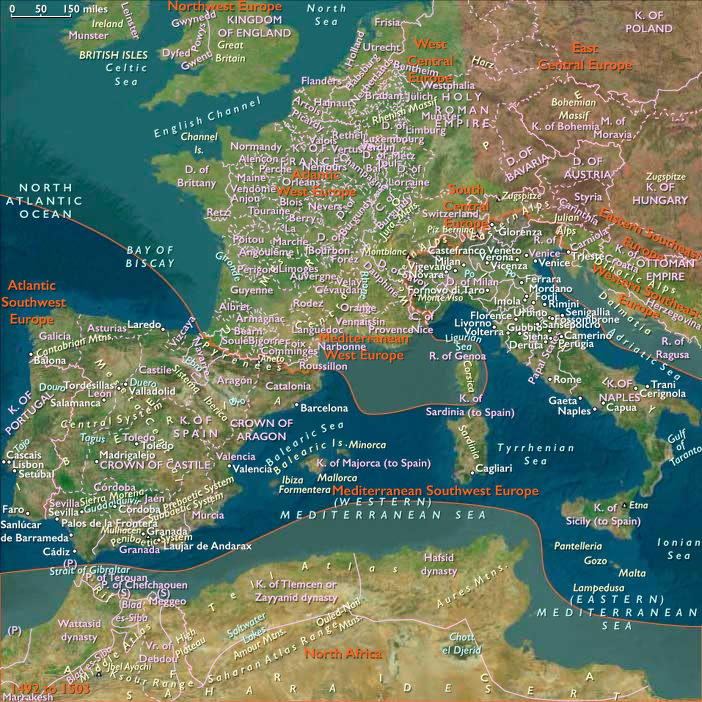
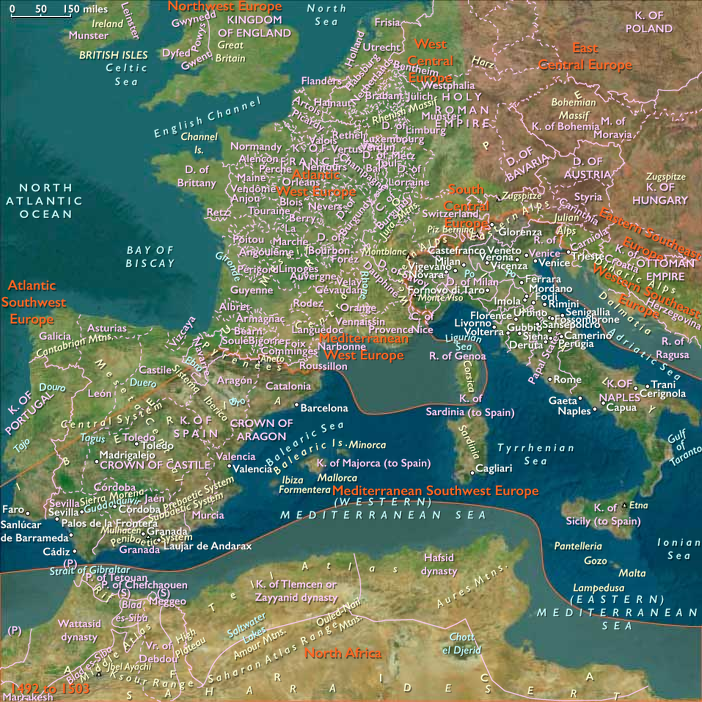
The culmination of the Christian Reconquista of the Iberian Peninsula had profound implications beyond its immediate political or territorial consequences. With the fall of Granada in 1492, the Catholic monarchs, Isabella I of Castile and Ferdinand II of Aragon, decisively ended the centuries-long Muslim presence in Spain. However, this victory also ushered in an era of religious intolerance and mass expulsions, dramatically reshaping the social and cultural landscape of late medieval Europe.
Expulsion of the Iberian Jews
Immediately following the Reconquista’s conclusion, the Catholic monarchs issued the Alhambra Decree on March 31, 1492, demanding that all Jews within their realms either convert to Catholicism or leave their territories permanently. As a result, approximately 150,000 to 200,000 Jews—who had long contributed significantly to Iberian culture, commerce, and intellectual life—faced immediate expulsion or forced conversions. Portugal, under immense diplomatic pressure from Spain, followed suit in 1498, expelling its Jewish communities as well.
Destinations and Consequences of Exile
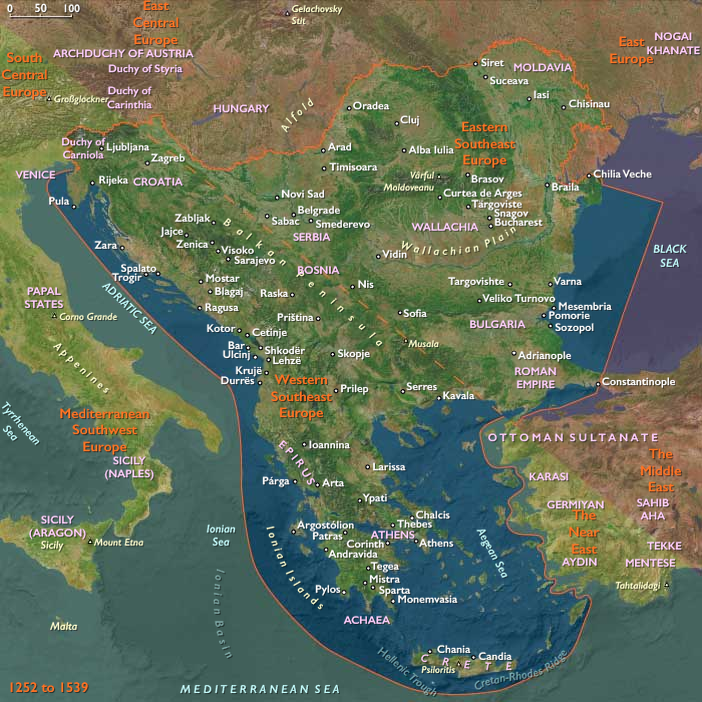
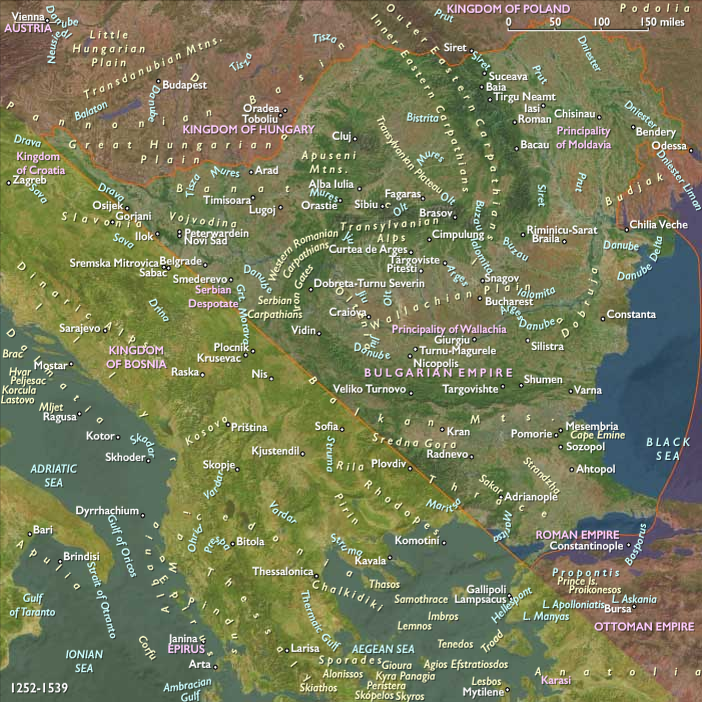
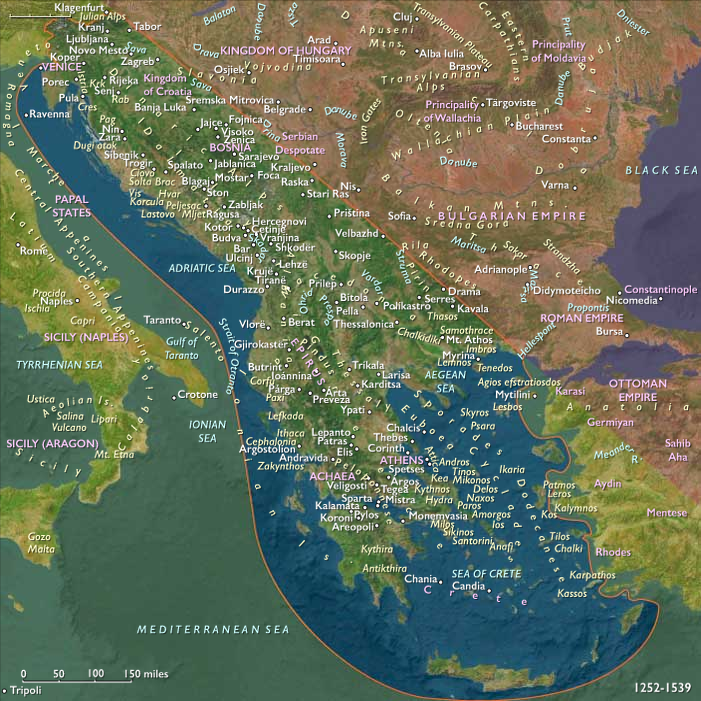
Exiled Iberian Jews—known collectively as Sephardim—sought refuge across the Mediterranean and throughout Europe, notably in North Africa, Italy, and particularly within the territories of the tolerant Ottoman Empire, including the Balkans and the Middle East. The Ottoman authorities welcomed these skilled exiles, viewing them as valuable economic, administrative, and cultural contributors to their rapidly expanding empire.
The expelled Iberian Jews revitalized urban economies, particularly in cosmopolitan cities such as Istanbul, Salonica, Venice, and various North African trading hubs. They founded thriving communities, bolstered trade networks, and significantly enriched Ottoman cultural and intellectual life.
Linguistic and Cultural Impact: Ladino
A lasting cultural legacy of this diaspora was the spread of Ladino, also known as Judeo-Spanish, a language that emerged from medieval Castilian, incorporating Hebrew and Arabic elements. Ladino became a lingua franca among Sephardic Jews across the Ottoman Balkans and Mediterranean region, preserving cultural and religious traditions for generations, even into the modern era.
Sephardic Cultural Dominance
The large-scale migration profoundly reshaped Jewish cultural traditions. Sephardic practices, once largely restricted to Iberia, came to dominate Jewish life throughout the Mediterranean basin, North Africa, and Middle Eastern Jewish communities. Eventually, the term "Sephardic" came to loosely describe all Jews adopting Iberian-derived religious customs, even among Jewish populations previously resident in these regions. Thus, the Iberian expulsions had the unintended consequence of spreading Iberian-Sephardic cultural traditions broadly across the Mediterranean world, becoming dominant in many Jewish communities in subsequent centuries.
Historical Significance and Consequences
The mass expulsions and forced conversions in 1492 and 1498 reshaped not only Iberia but also the broader cultural and economic landscapes of Europe and the Mediterranean region. By driving out many of their most talented artisans, merchants, and intellectuals, the Iberian kingdoms lost vital economic and cultural capital, a loss reflected in economic stagnation and social tension in later centuries. Conversely, their arrival significantly benefited receiving regions, particularly the Ottoman Empire, bolstering economic and cultural vitality.
Moreover, these expulsions symbolized the rising intolerance and homogenization of religious identities across early modern Europe, prefiguring similar expulsions, forced conversions, and persecutions in later centuries. The Sephardic diaspora and subsequent flourishing of Ladino culture dramatically reshaped cultural, economic, and social developments in Mediterranean and Middle Eastern societies, leaving a legacy that endured for centuries.
In sum, the expulsions of 1492 and 1498 represent a key moment in the history of Atlantic West Europe, deeply influencing European religious and cultural dynamics, reshaping Sephardic Jewish identity, and affecting broader patterns of migration, trade, and cultural exchange across the late medieval and early modern world.